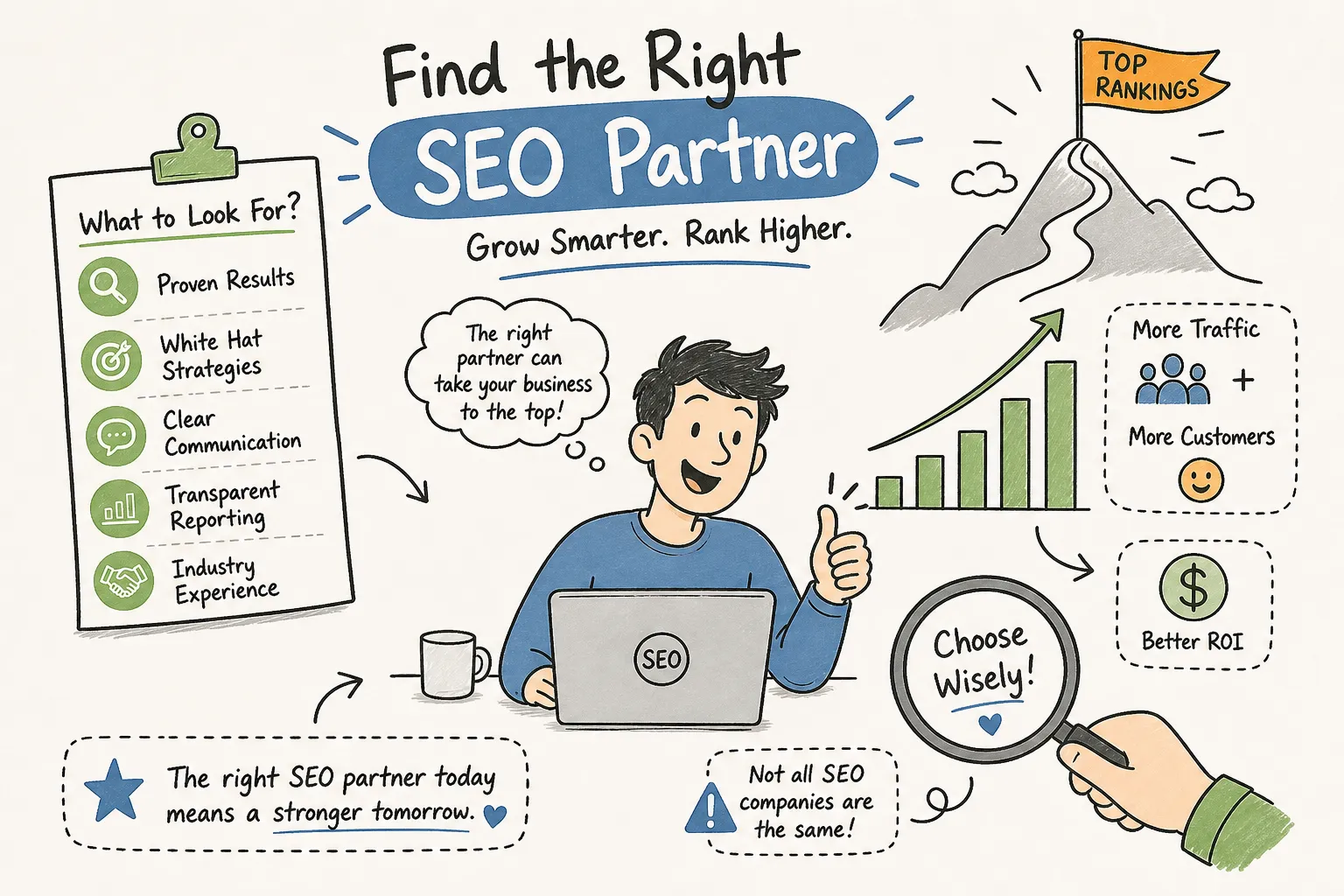
You searched for the best SEO marketing company, and you got exactly what everyone gets: a long list of agency names, star ratings, and vague feature comparisons. None of it tells you which agency is right for your business. That’s because “best” isn’t a fixed answer. It’s a moving target shaped by your industry, your goals, your budget, and the kind of working relationship you actually need.
Most “top SEO companies” roundups are aggregation pages built for clicks, not decisions. They rank agencies by review volume or directory presence, not by whether those agencies are a realistic fit for a regional contractor, a growing e-commerce store, or a local service business trying to compete in a crowded market. This article works differently. It’s a buyer’s checklist that walks you through the criteria that actually matter, so you stop choosing agencies by name recognition and start choosing them by fit.
Brandleap Agency is built around exactly this fit-first model for small businesses: matching strategy depth to business size, being transparent about pricing, and delivering results that connect to real business outcomes. That’s the framework we’ll use to help you vet any agency on your list. By the end, you’ll have five criteria to filter by, a pricing benchmark to work from, and a set of red flags that should end the conversation before you sign anything.
Why “best” means something different for every business
The agency dominating enterprise SEO for Fortune 500 brands is not automatically the right pick for a regional HVAC company or a DTC skincare brand launching its first paid channel. Specialization, team size, service scope, and the type of results an agency is built to deliver all shape whether they can actually serve your type of business. A firm that’s excellent at technical SEO architecture for large-scale e-commerce sites may have zero experience helping a local law firm rank in Google’s local pack, and that gap matters.
There’s also a geography myth worth addressing. Searching for an “SEO firm near me” feels intuitive, but proximity matters far less than capability and communication style. A business owner in Dallas can work effectively with a remote SEO partner in Chicago or anywhere else, as long as that agency understands the local search environment and the client’s specific market. Focus your evaluation on criteria, not zip codes.
How to Choose the Best SEO Marketing Company: Five Criteria That Matter
These five filters apply whether you’re looking to hire an SEO company with 500 employees or a boutique firm with a team of ten. Use them as a mental checklist during every agency conversation you have.
1. Specialization that matches your industry and business model
An agency that has delivered results for B2B SaaS companies uses a completely different keyword strategy and content architecture than one built for local service businesses. The content types, conversion paths, link-building targets, and even the keyword intent profiles are different. Ask every agency you talk to for industry-specific case studies, not just general portfolio highlights. If they’ve never worked with a business like yours, that’s worth factoring in seriously.
2. Pricing transparency as a trust signal
The best SEO marketing company will either publish its pricing tiers or give you clear range estimates early in the conversation. An agency that refuses to discuss budget expectations until after a long sales process is prioritizing its pipeline over your time. Transparent SEO pricing and packages are a mark of a confident, client-first firm. If you have to sit through three calls before you can get a ballpark number, that’s a pattern that usually continues after you sign.
3. Verified case studies with measurable outcomes
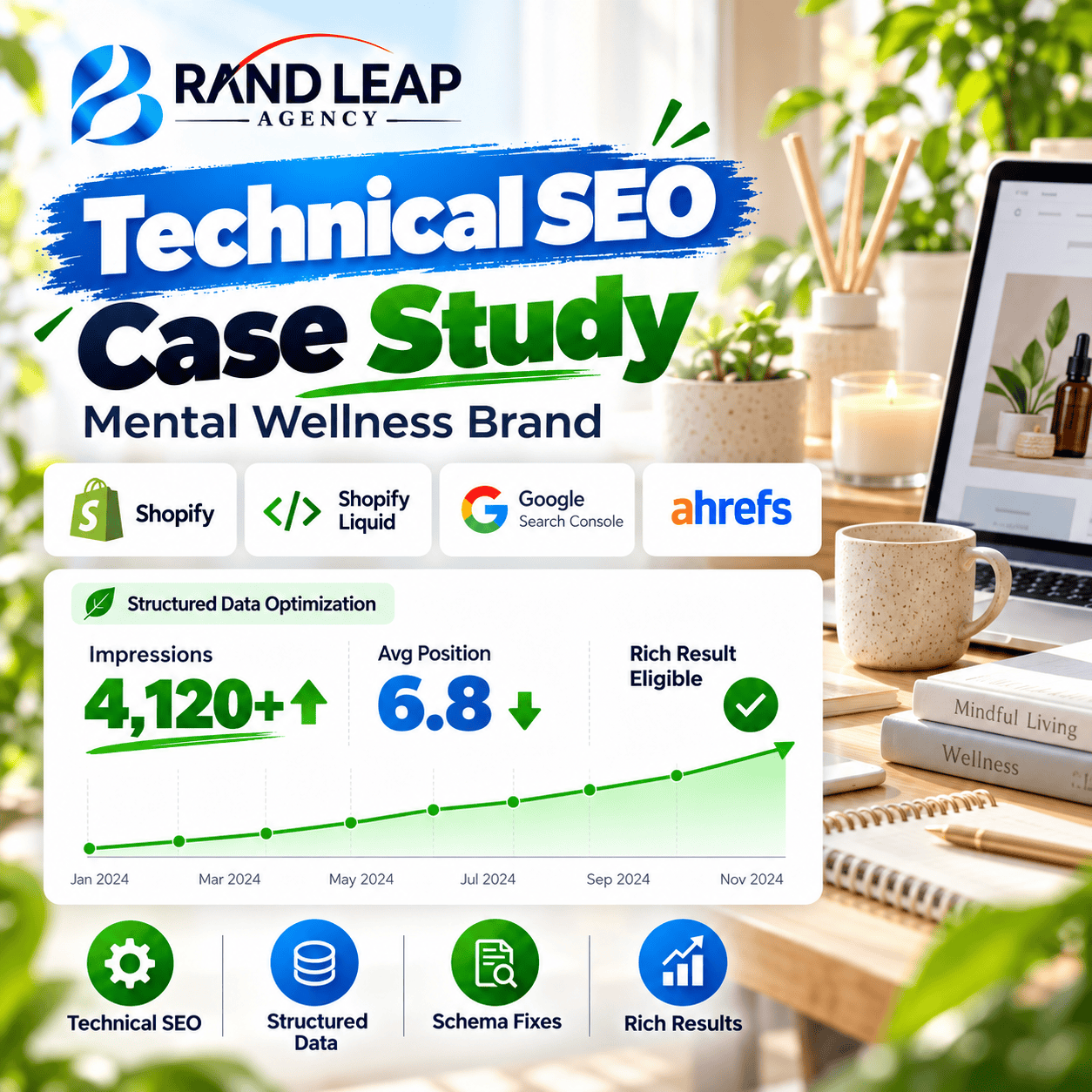
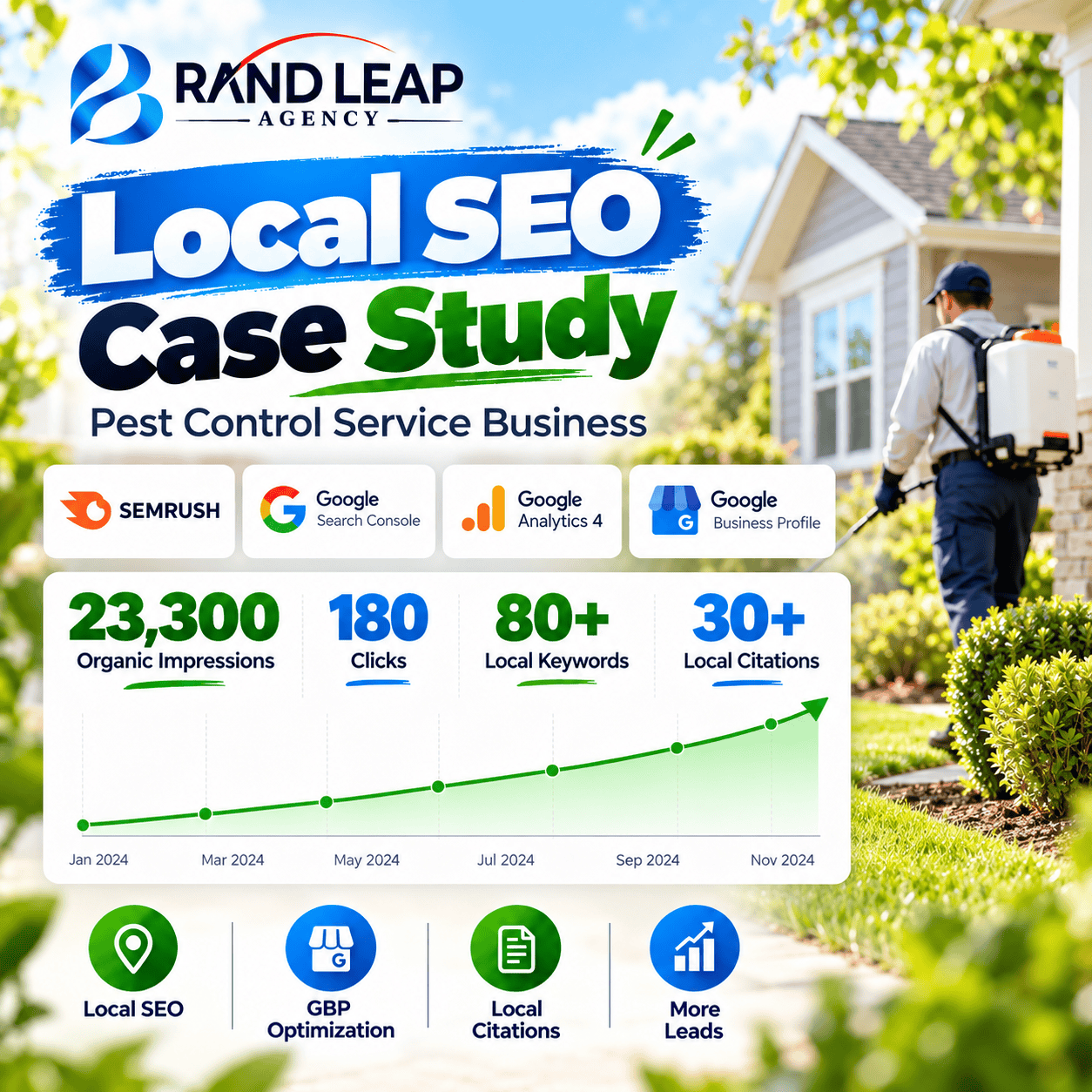
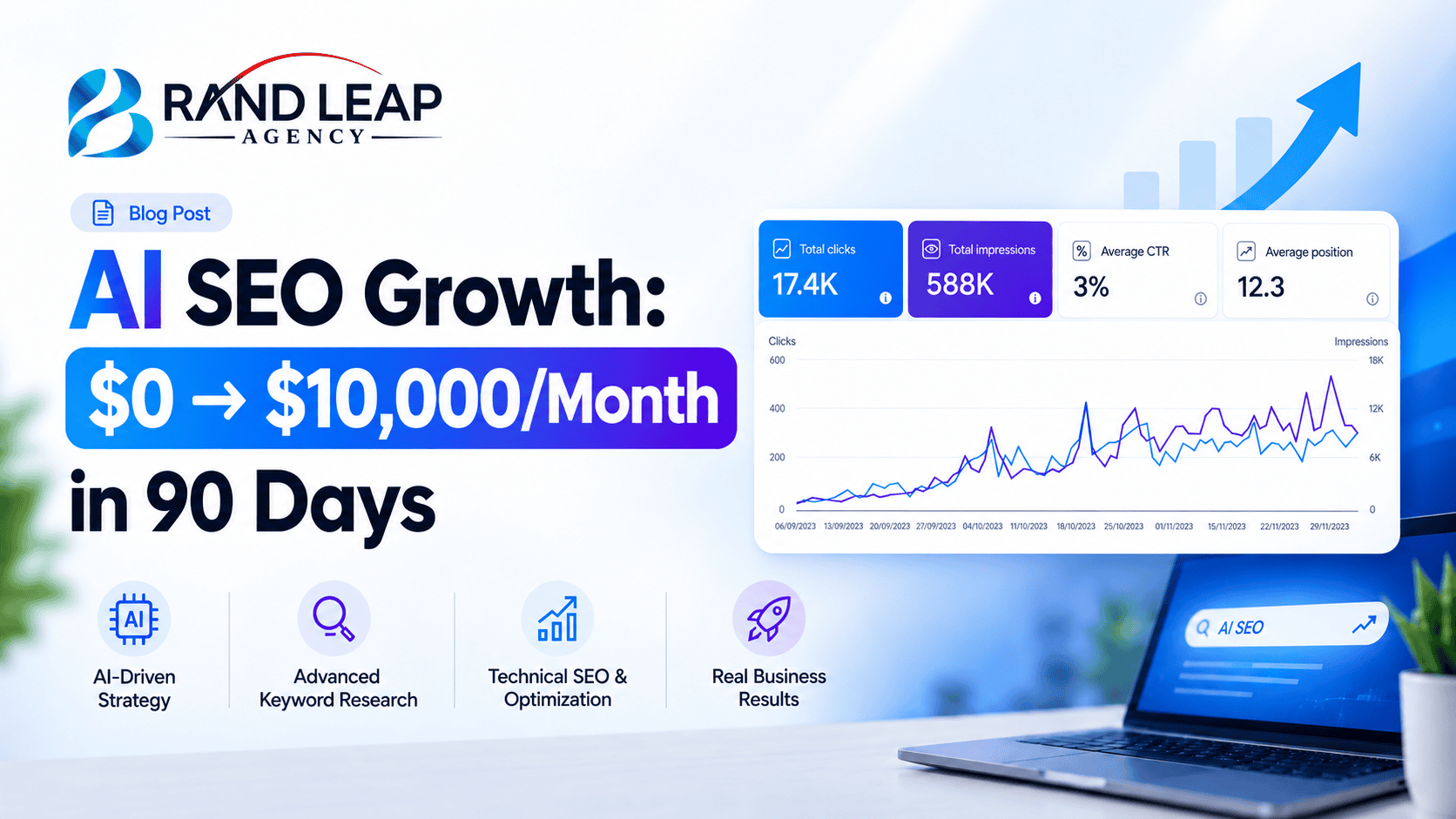
There’s a real difference between a case study that says “we improved rankings” and one that shows specific before-and-after data: organic traffic lift percentages, keyword position movement, conversion rate changes, and revenue or lead impact. Agencies with strong track records publish specific results, think 300%+ increases in organic traffic with named clients and documented timelines. Those specific numbers signal accountability. Vague language about “improved visibility” doesn’t.
4. Communication style and reporting quality
Monthly reporting cadence, direct access to your own Google Search Console and Analytics accounts, and a named account contact should all be non-negotiable. You need to see the data yourself, not just receive a summary. Reports that focus on vanity metrics, impressions or raw keyword rankings without tying performance to leads or revenue, signal that the agency isn’t aligned with what actually matters to your business.
5. Contract terms that protect you, not just the agency
Before you sign anything, confirm that you own all your accounts, data, and content outright. Clear off-boarding language, defined performance review checkpoints, and a plain-English exit clause are all reasonable asks. Any agency that pushes back on account ownership or won’t define what happens when you leave is already signaling a problem you’ll deal with later.
What realistic SEO pricing looks like at each business tier
Pricing benchmarks help you evaluate whether an agency’s quote reflects genuine market value or a mismatch between scope and cost. Here’s what the 2026 market looks like across three tiers.
Small business budgets: what $1,000, $5,000 per month actually covers
At this tier, you’re building the SEO foundation: keyword research, on-page optimization, Google Business Profile work, local citation building, light backlink outreach, and monthly reporting. Local SEO services typically anchor this package, making sure your business ranks in map results and neighborhood searches where buyers are actively looking. Content production runs one to four pieces per month depending on where in the range your budget falls. Expect a minimum commitment of three to six months, because meaningful ranking movement takes time to compound. Brandleap Agency’s affordable SEO packages are built specifically around this tier, giving small businesses access to advanced semantic SEO strategy without paying enterprise-level prices for capabilities they don’t need yet.
Mid-market budgets: the $3,000, $10,000 range
This range covers full technical SEO audits, more aggressive content production, link building at scale, and regular strategy calls. You’re moving beyond foundational work into a sustained growth campaign with clearer ownership across every channel. This is also where many businesses find that hiring an SEO company with a dedicated account team, rather than a shared-resource model, starts to pay off in both performance and communication quality.
Enterprise SEO: where the $6,000, $25,000+ tier makes sense
At the enterprise SEO agency level, you’re looking at a dedicated account team, multi-location or national campaigns, digital PR, and advanced analytics. Underpaying for enterprise-level ambitions is one of the most common and costly hiring mistakes. If you want national organic dominance but are budgeting at the small-business tier, the math doesn’t work. The scope has to match the budget.
Red flags that should end the conversation before you sign
These aren’t edge cases, they’re common sales tactics and contract patterns that expose your business to real risk.
Promises no legitimate agency can actually make
Guaranteed rankings (“page 1 in 60 days”), guaranteed traffic numbers, vague references to “proprietary methods,” or an unwillingness to explain tactics in plain language are all signals to walk away. Google itself identifies ranking guarantees as a warning sign, which tells you everything you need to know. One-size-fits-all packages that don’t account for your industry, competition level, or existing site authority are also a red flag, because real SEO strategy is never generic.
Contract clauses that expose you to risk
Watch for automatic renewal clauses with no performance checkpoints, long lock-ins that make it expensive to leave, and any language suggesting the agency retains ownership of your analytics accounts, ad accounts, or content. You should own everything, always. Also ask specifically what happens during off-boarding: who transfers what, and on what timeline. If that question makes an agency uncomfortable, treat it as a serious warning sign. A firm that’s confident in its results doesn’t need to trap you in a contract to retain you.
How to apply this checklist and make your final decision
Once you’ve built a short list of agencies that pass the five criteria filters and don’t raise any red flags, the final step is running a structured conversation with each one. These five questions will tell you most of what you need to know.
- Can you show me a case study from a business similar to mine in size and industry?
- What does your monthly reporting cover, and will I have direct access to my own data?
- Who specifically will be working on my account, and will that change after onboarding?
- What are your pricing tiers, and what deliverables are included at my budget level?
- What does your contract exit process look like, and what do I keep if we part ways?
The answers to these questions will separate agencies genuinely built around client outcomes from those built around client acquisition. An agency that hesitates on any of these, or gives you vague answers, is showing you exactly how the relationship will feel six months in.
What a checklist-ready SEO marketing company looks like in practice
Brandleap Agency is built to answer every one of those questions directly. Published pricing tiers mean you know what you’re getting before the first call ends. A semantic SEO strategy goes beyond basic keyword targeting to build real topical authority in your niche. Reporting is tied to actual business outcomes like leads and conversions, not just rankings.
The entire communication model is built for founders who aren’t full-time marketers, no jargon, no mystery, and no chasing your account manager for updates. That’s what it looks like when an agency is designed around fit rather than volume.
The right SEO partner starts with the right criteria
The best SEO marketing company for your business is the one that matches your industry, fits your budget, communicates clearly, and can prove its results with real data. It’s not the one with the most directory mentions or the biggest client logo wall. Those signals tell you about an agency’s marketing budget, not its ability to grow yours.
You now have a working framework to run a proper vetting process: five evaluation criteria, a pricing benchmark by business tier, five questions to bring into every agency call, and a red-flag list that protects you from the most common hiring mistakes. That’s enough to build a credible short list and make a confident decision.
If you’re a small business owner looking for affordable, results-driven local SEO services, or a growing company ready to move into a more competitive national strategy, explore what Brandleap Agency’s approach looks like for businesses at your stage. The fit-first model is exactly what you should be demanding from any agency you hire, and it’s where we start every client conversation.