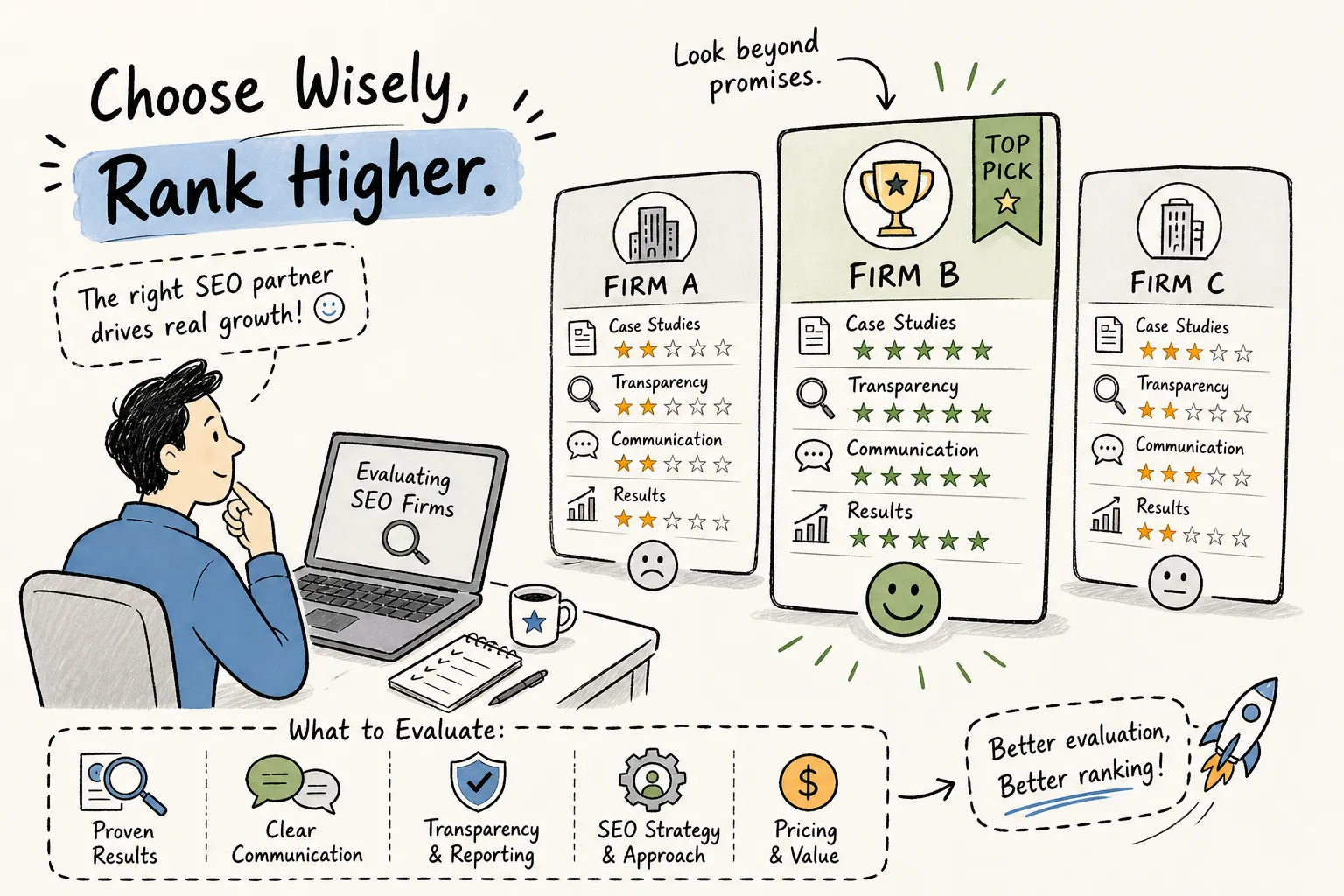
Every list of top SEO firms seems definitive until you read the next one and find a completely different set of names. If you’ve spent any time searching for the right agency, you already know the problem: dozens of rankings, each with its own methodology, none of them explaining how to actually match a firm to your specific business. The goal here isn’t to hand you another list. It’s to give you a working framework for evaluating top SEO firms yourself, so you can hire with confidence instead of crossing your fingers.
One thing that gets buried in most agency comparisons is this: bigger and more recognized does not mean better for your business. A firm that serves Fortune 500 brands operates completely differently from one built around small business growth. Understanding that distinction early makes the rest of the evaluation process much cleaner.
Why bigger agencies don’t always win
The enterprise agency model and its tradeoffs
Large, well-known SEO agencies are built to serve high-budget enterprise clients. Their pricing, staffing models, and internal workflows reflect that reality. When a small or mid-market business signs with one of these firms, the account often lands with a junior account manager handling a heavy client load. The strategy gets templated, communication slows down, and results get measured against benchmarks that have nothing to do with your actual revenue goals.
This isn’t a knock on large agencies as a category. For complex, multi-site enterprise programs, they’re often the right fit. But for most small businesses and growing brands, paying for brand recognition while receiving attention from the bottom of the team is a poor trade.
Where boutique agencies punch above their weight
Boutique SEO consultancies are structured specifically around small business and mid-market clients. That means senior-level strategy on every account, faster implementation, and outcomes tied directly to business goals rather than vanity metrics. The best SEO firm for your business is the one built for clients like you, not the one with the longest client list or the most press mentions.
In our experience working with small business and mid-market clients, more of the budget goes toward execution rather than overhead when you work with a focused boutique firm. Implementation is faster, customization is deeper, and the people making strategic decisions are the same ones doing the work.
How to read case studies like a buyer, not a fan
What a credible case study actually contains
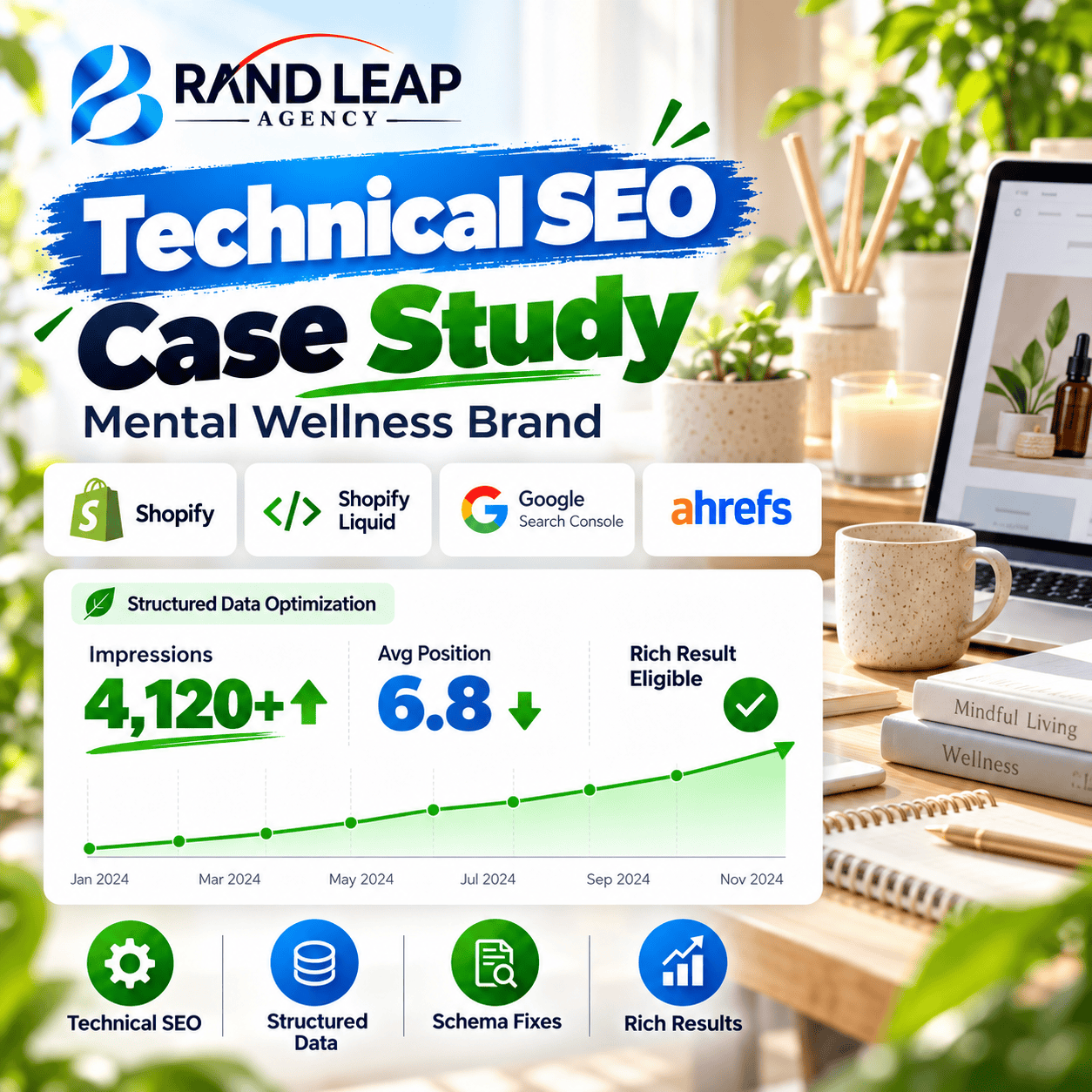
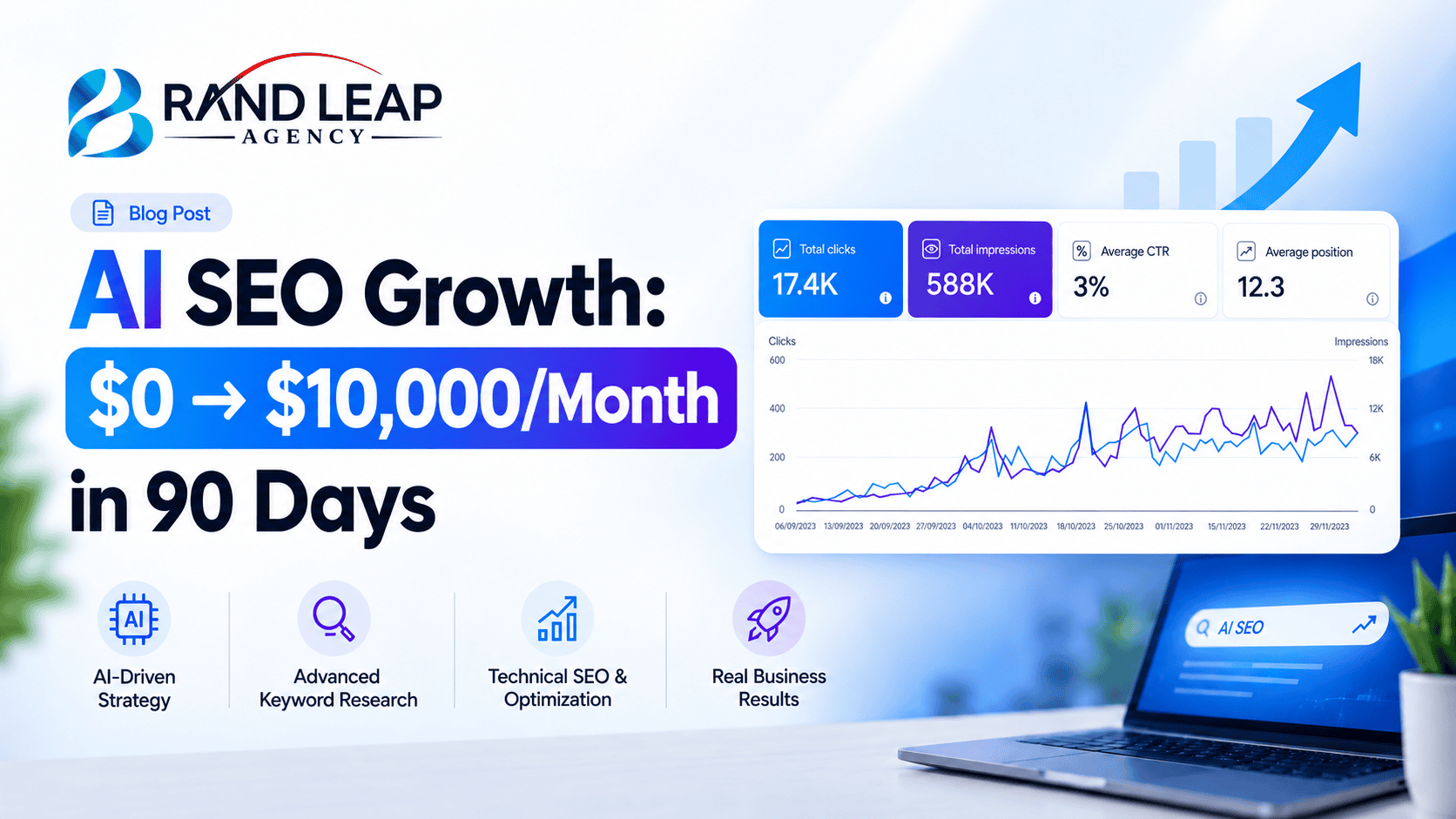
A strong case study gives you four things: the starting baseline, the specific actions taken, the timeline, and the outcome in measurable terms. Organic traffic lifts of 200% or keyword jumps to page one are meaningful only when tied to where the client started and how long it actually took. When reviewing agency portfolios, you’ll encounter reported results like 3x qualified leads or 120% increases in monthly organic traffic within 6 to 12 months. Those numbers only matter when the starting point is clearly documented.
If a case study doesn’t show you the before, the after is just marketing copy. Ask for specifics: what was the monthly organic traffic before the engagement, what keywords ranked in the top 10 at month one versus month six, and how were leads tracked back to organic search.
The difference between verified results and polished marketing
Third-party review platforms carry more weight than testimonials on an agency’s own website. Platforms like Clutch verify client identity and project details through an editorial review process, which makes those reviews meaningfully more credible than a quote pulled from an email. When reviewing Clutch profiles, look for reviews that mention specific results, engagement length, and team members by name rather than generic praise.
Red flags to watch for: no named clients in any case studies, percentage claims with no defined timeframe, a portfolio that hasn’t been updated in over a year, or a cluster of reviews posted in a short window with nearly identical wording. Credible agencies provide named references, recent case studies, and easy access to reporting dashboards, they welcome scrutiny and make verification straightforward.
SEO pricing tiers decoded: what to expect at each budget level
Typical monthly retainer ranges by business size
Pricing transparency is one of the clearest signals of an agency’s integrity. Here’s how the 2026 market breaks down by business size:
- Small businesses: $1,500, $5,000 per month, typically covering keyword research, on-page SEO, content, and basic reporting
- Mid-market companies: $5,000, $10,000 per month, adding link building, deeper content strategy, and more intensive technical work
- Enterprise programs: $10,000, $50,000+ per month for multi-site, competitive verticals, and national or international campaigns
Price and quality are not the same thing. A boutique firm charging $2,500 per month with a focused, senior-led methodology often outdelivers a larger firm charging $6,000 with a fragmented team structure. What matters is the return on that investment, not the number on the invoice.
Pricing red flags that signal a mismatch
Guaranteed rankings for a suspiciously low price should stop you cold. No credible SEO consultant guarantees specific rankings because rankings depend on Google’s algorithm, competitor behavior, and dozens of variables outside any agency’s control. Beyond that, watch for vague packages with no defined scope, retainers that don’t include regular performance reporting, and firms that won’t itemize what they’re actually delivering each month.
Pricing transparency isn’t just about knowing what you’ll spend. It’s a trust signal about how the agency runs its entire business. If they won’t be clear about money upfront, they won’t be clear about results either.
Matching the firm to your business type and goals
The four main SEO specializations to know
Most strong SEO agencies have a core specialty, and hiring a firm whose expertise doesn’t match your business type is one of the most common and costly mistakes in the category. The four main specializations are:
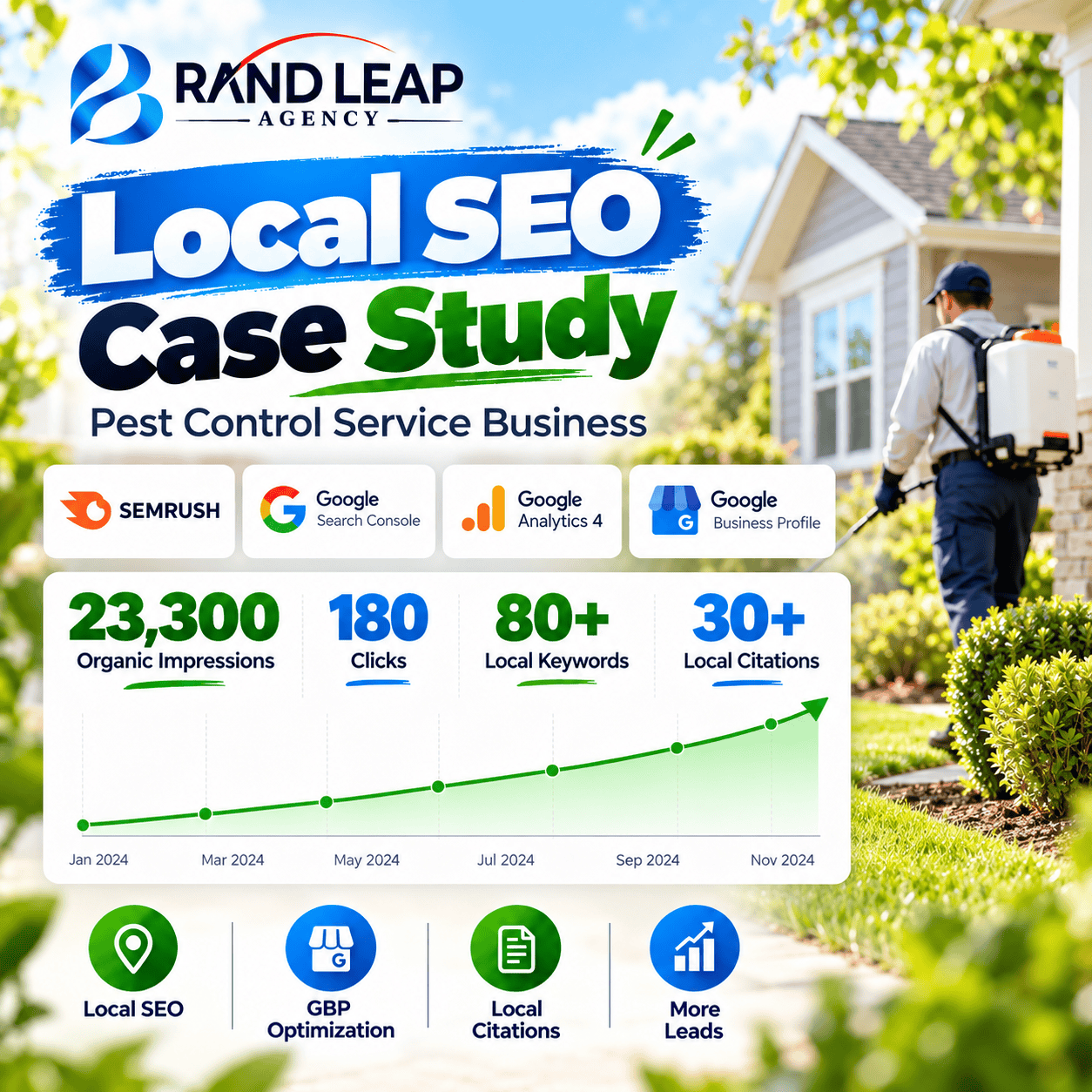
- Local SEO: for service-area businesses, contractors, medical practices, and brick-and-mortar retail; focuses on Google Business Profile, local citations, and map pack rankings, what people search for when they look up “SEO firms near me” applies here too
- E-commerce SEO: product page optimization, category architecture, and structured data for online retailers
- Enterprise and technical SEO: large-scale site architecture, crawl efficiency, and multi-site or international campaigns, the domain of a true enterprise SEO agency
- Content-driven organic growth: topic clusters, thought leadership, and long-form content for B2B brands and service companies
How to verify a firm’s actual specialty
Ask for two or three case studies in your specific industry or business type. A firm that specializes in enterprise e-commerce is not the right fit for a local HVAC company, even if both appear on the same industry ranking or SEO agency rankings list. The firm’s client roster, the content on their own website, and the questions they ask during a sales conversation all reveal where their real expertise lives.
A useful signal: the best agencies ask more questions than they answer in a first conversation. They want to understand your market, your current traffic, and your revenue goals before proposing anything. An agency that pitches a package before asking about your business isn’t building strategy; it’s selling a product.
The five questions that separate serious firms from the rest
Questions to ask on every agency call
These five questions give you everything you need to evaluate any SEO consultancy before signing. Bring them to every discovery call and proposal review:
- Walk me through a case study from a business like mine: what was the starting point, what did you do, and how long did it take?
- What specific deliverables will I receive each month, and what does the reporting look like?
- How do you build backlinks, and do you ever use tactics outside Google’s guidelines?
- Who will actually work on my account, and how many clients does that person currently manage?
- What are the contract length, cancellation terms, and who owns the work if we part ways?
These aren’t trick questions, but they are revealing ones. A firm that answers them clearly and specifically is showing you how they operate. A firm that hedges, deflects, or gives vague answers about link building or deliverables is telling you something important about how they’ll handle your account.
What the answers reveal about fit
The link building question deserves particular attention. Black-hat tactics, paid links, and manipulative schemes can produce short-term ranking gains that collapse when Google updates its algorithm. Any agency that can’t clearly explain its link acquisition process, or that becomes evasive when you ask about it, is not worth the risk. On contract terms, you should own everything: your domain, analytics accounts, Search Console access, and all content produced during the engagement. If an agency can’t commit to that in writing, walk away.
The headcount question matters just as much. Ask directly how many active clients are assigned to the person who will manage your account. A senior strategist stretched across too many accounts cannot give any of them real attention. The firms worth hiring will give you a specific name, a clear role, and a realistic client load, ask for that number and hold them to it.
Build your shortlist of top SEO firms with confidence
Evaluating top SEO firms comes down to four things: verify proof over promises, understand what the pricing actually includes, match the firm’s specialty to your business type, and ask the five questions on every call. The right agency isn’t the one with the most name recognition or the largest client list. It’s the one built for businesses like yours, with a methodology that maps directly to your goals.
You’ve now got a framework that works regardless of which names appear on any given SEO agency rankings list. If that framework points you toward a boutique firm that combines senior-level strategy with pricing built for small business and mid-market budgets, Brandleap Agency is worth exploring. The approach pairs advanced semantic SEO strategy with the kind of focused execution that typically costs significantly more at larger firms, you get the methodology without the enterprise overhead.
Before you commit to any long-term contract, consider getting your current SEO performance reviewed by Brandleap. It’s a low-risk way to see exactly where you stand, and to pressure-test any agency you’re considering, including ours. Reach out to Brandleap Agency to schedule your review today.