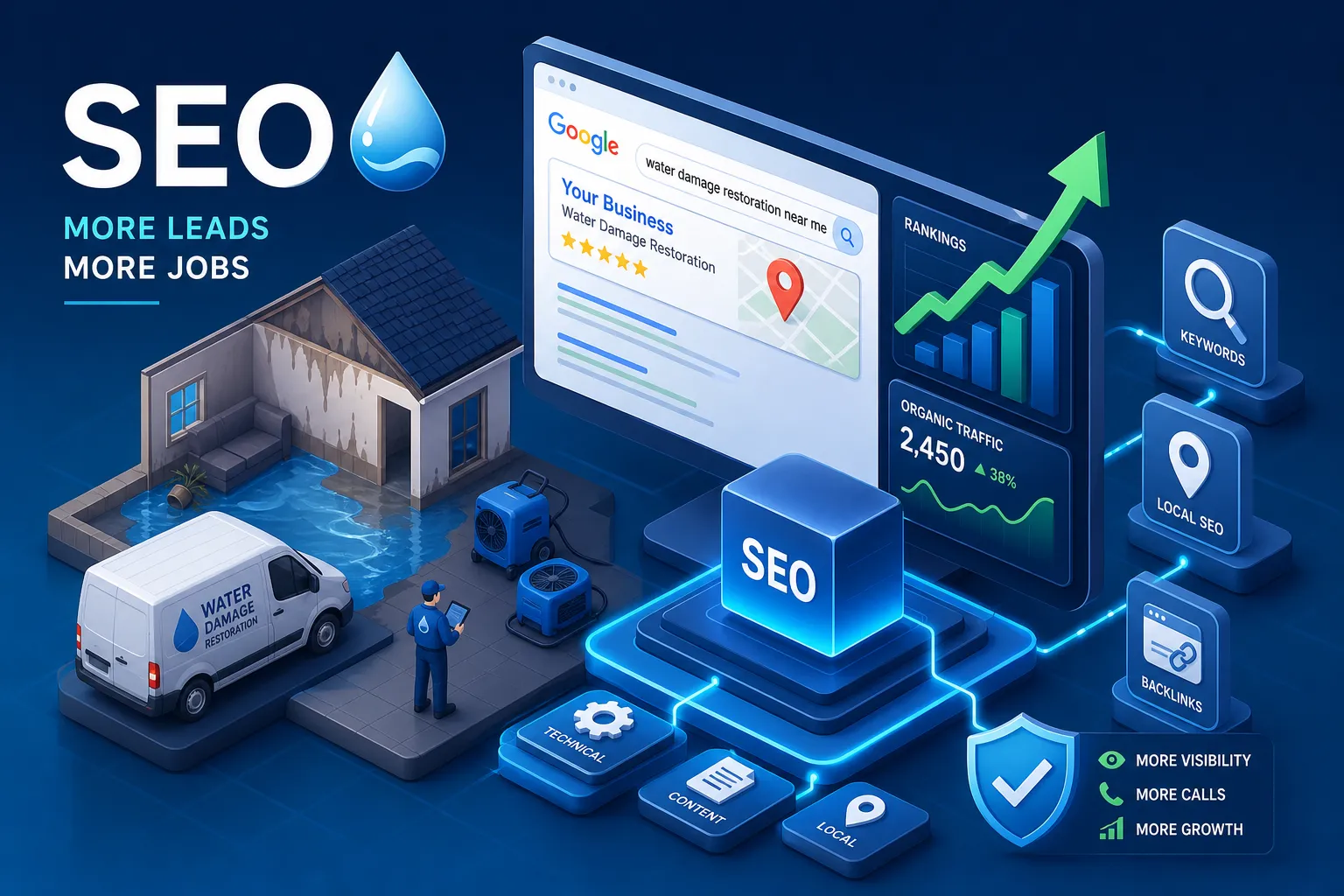
When a homeowner’s basement floods at 2am, they’re not scrolling through five websites comparing options. They’re clicking the first result they see and dialing immediately. If you run a restoration business, hiring a water damage SEO company that understands this emergency search behavior can make the difference between a booked call and a missed job. That single behavioral reality makes water damage restoration one of the most high-stakes local search markets in the United States.
The problem is that most restoration business owners who search for SEO help end up with generic agencies that treat a water damage company like any other local client. They set up a basic Google Business Profile, write a few blog posts, and call it a strategy. Meanwhile, national franchises like SERVPRO and ServiceMaster keep dominating the map pack with years of domain authority behind them.
This guide covers the specific water damage restoration SEO tactics that produce measurable ranking and call-volume gains: emergency keyword targeting, local pack optimization, and the trust signals that turn a panicked search into a booked job. It also walks you through realistic pricing, the KPIs worth tracking, and exactly how to spot the agencies that will burn through your budget without results.
Why a Water Damage SEO Company Is a Different Category of Local Search
Water damage searches aren’t like “best plumber near me” or “HVAC tune-up cost.” They’re crisis-driven, high-urgency, and happen at all hours. The person searching “emergency water damage restoration Chicago” at midnight has already decided to call, your only job is to be visible when they do. That means your SEO strategy needs to prioritize mobile page load speed, click-to-call accessibility, and map pack presence over almost everything else.
National franchise competition creates a real visibility ceiling for independent operators. SERVPRO and ServiceMaster have marketing departments, decades of built domain authority, and location pages optimized for hundreds of cities. You can’t beat them on pure authority alone. But you can beat them on local specificity, review velocity, and service-area page depth, and that’s exactly where local SEO for water damage companies gives smaller operators a genuine edge.
Your Google Business Profile must reflect 24/7 availability clearly, since restoration calls come in around the clock. Your phone number needs to be the first clickable element on mobile, and your landing pages must reinforce “we respond in 60 minutes or less.” Agencies that don’t build strategy around this operational reality will optimize your site for traffic metrics while losing you actual calls.
Emergency Keyword Targeting: Capturing Searchers at the Moment of Crisis
Generic keywords like “water damage restoration” carry high competition and low commercial specificity. The searches that produce actual calls are longer and more urgent: “emergency water damage [City],” “24/7 flood cleanup [City],” “basement flooding repair near me,” and “burst pipe water removal [City].” These long-tail emergency terms have lower individual monthly search volume but convert at dramatically higher rates because the intent is immediate action, not research.
High-performing restoration websites don’t rely on one generic services page. They build individual pages for each major city and suburb in their service area, paired with specific damage scenarios: “Basement Flooding Cleanup in [City],” “Storm Water Damage Repair in [City],” “Burst Pipe Extraction in [City].” Each page targets a distinct keyword cluster and gives Google clear topical signals about where you operate and what specific problems you solve. Markets like Orlando, Houston, Dallas, and Atlanta generate hundreds of monthly searches for these exact location-modified terms.
Your homepage should answer the urgency question first: who you are, where you serve, and how fast you respond. Internal linking should guide both users and search engines from your homepage to city-specific service pages and then to your contact and call conversion point. Content that buries the phone number or makes it difficult to book from mobile actively hurts conversion, regardless of how well you rank.
Local Pack Optimization: Owning the Map for Restoration Searches
GBP Category and Service Area Setup
Your GBP category matters more than most restoration owners realize. Set your primary category to “Water Damage Restoration Service,” with secondary categories covering mold remediation and fire damage if you offer them. Your service area settings must include every zip code and city you actually serve. Emergency hours must be accurate. High-quality before-and-after job photos uploaded consistently signal both trust to users and relevance to Google’s local ranking algorithm, which weighs relevance, distance, and prominence when deciding who appears in the map pack. If you need a specific service to improve your listing, consider focused Google Maps optimization to keep your GBP accurate and conversion-ready.
Review Velocity Best Practices
Review velocity is a frequently under-prioritized but highly influential factor in local rankings. Google’s local algorithm weighs the recency and frequency of reviews, not just total count. A company with 25 reviews posted over the past 60 days can outrank a company with 200 reviews posted over three years in many competitive markets, because recency signals active, ongoing service delivery. Building a post-job review request system, whether through text follow-ups, email sequences, or a direct GBP link, is one of the highest-ROI investments a restoration company can make. Target 100 or more reviews at 4.8 stars or above for stable Top 3 map rankings within 12 months.
Your Name, Address, and Phone number must be identical across every directory, aggregator, and industry listing: Google, Yelp, Angi, HomeAdvisor, the IICRC locator, and your local chamber of commerce. Even minor inconsistencies, like abbreviated “St.” versus “Street”, create conflicting signals that suppress your local rankings. A citation audit and cleanup should happen in the first 30 days of any restoration SEO engagement, not as an afterthought.
Trust Signals That Turn Emergency Searches into Booked Calls
When three restoration companies appear in the local pack, the one with strong star ratings and a substantial review count will typically attract a disproportionate share of clicks, even if it isn’t ranked first. For emergency searchers under stress, social proof substitutes for the time they don’t have to research. Responding to every review, including negative ones, signals professionalism and builds the impression that your company is actively managed and accountable.
Structured data (LocalBusiness schema) helps Google understand exactly what your business does, where it operates, and how to contact you. Pair that with visible certification badges from IICRC or RIA on your website, and you create trust at two levels: with Google’s crawlers and with the homeowner who lands on your page at midnight wondering if you’re legitimate. Adding FAQPage schema to your content also positions you to appear in AI overviews and voice search results for questions like “how long does water damage drying take.” These technical elements are consistently overlooked by generic agencies and consistently prioritized by restoration-specific SEO specialists.
Before-and-after photos serve double duty. On your GBP, they drive engagement that Google measures. On your website, they provide visual proof that reduces call hesitation. Name photo files with relevant keywords before uploading (“water-damage-basement-cleanup-[city].jpg”) and add descriptive alt text. This is one of the simplest on-page tactics restoration companies skip, and it costs nothing to implement.
Realistic Pricing and KPI Benchmarks to Hold Your Agency To
Water damage restoration SEO typically runs $800 to $5,000 per month, depending on market competitiveness and service scope. Entry-level packages at $800 to $1,500 per month cover single-location optimization: GBP management, citation cleanup, on-page basics, and foundational content. Mid-tier packages at $1,500 to $2,500 per month add content marketing, link building, and conversion rate improvements. Multi-location or high-competition market campaigns scale to $2,000 to $5,000 per month. Because a single water damage job averages $1,200 to $5,000, a one-job return in month one can cover your entire SEO investment for that month.
Consistent execution produces predictable milestones:
- Month 3: Map pack movement begins; early ranking signals appear but not yet steady call volume.
- Month 6: Top 3 rankings achievable for primary service-area queries; 10 to 20 GBP calls per month is a realistic target.
- Month 12: Stable Top 3 rankings; 30 to 80 calls per month from GBP; 20 to 60 qualified leads monthly from organic.
Organic SEO is the slowest water damage lead generation channel to ramp, but after 12 to 18 months it consistently delivers the lowest cost per lead in the marketing mix, roughly $30 to $60 in year two compared to $150 or more for paid search. The investment compounds in a way that paid advertising simply doesn’t.
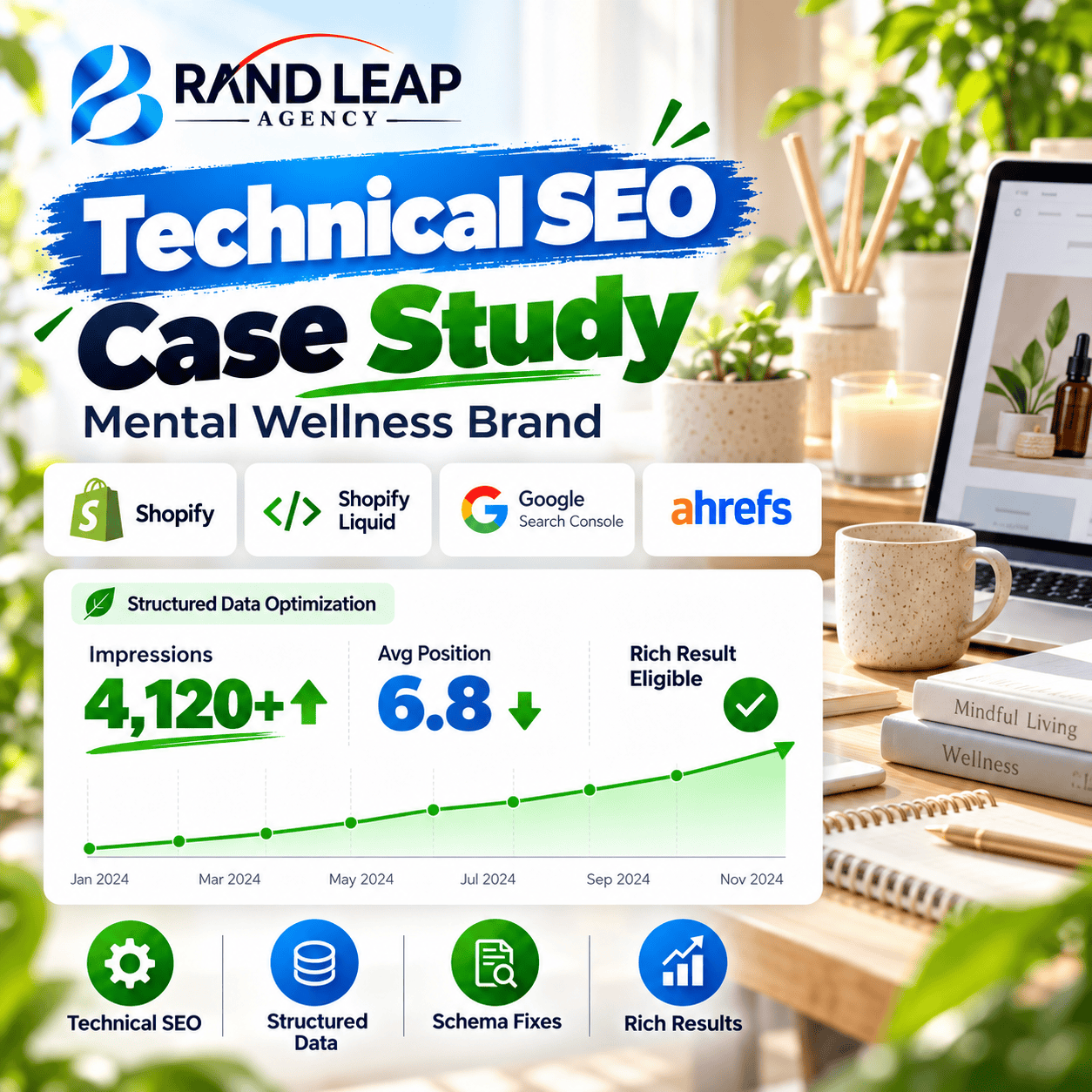
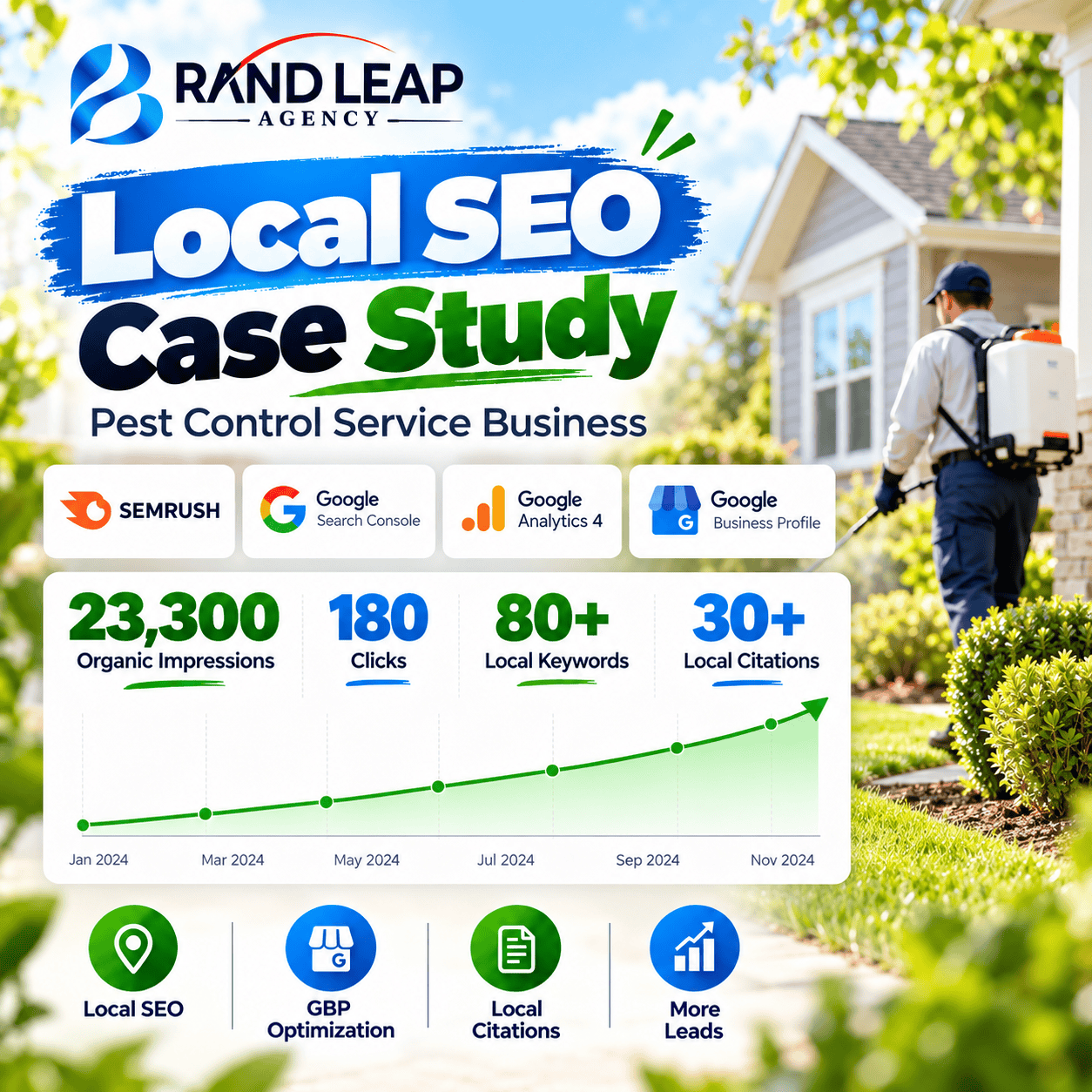
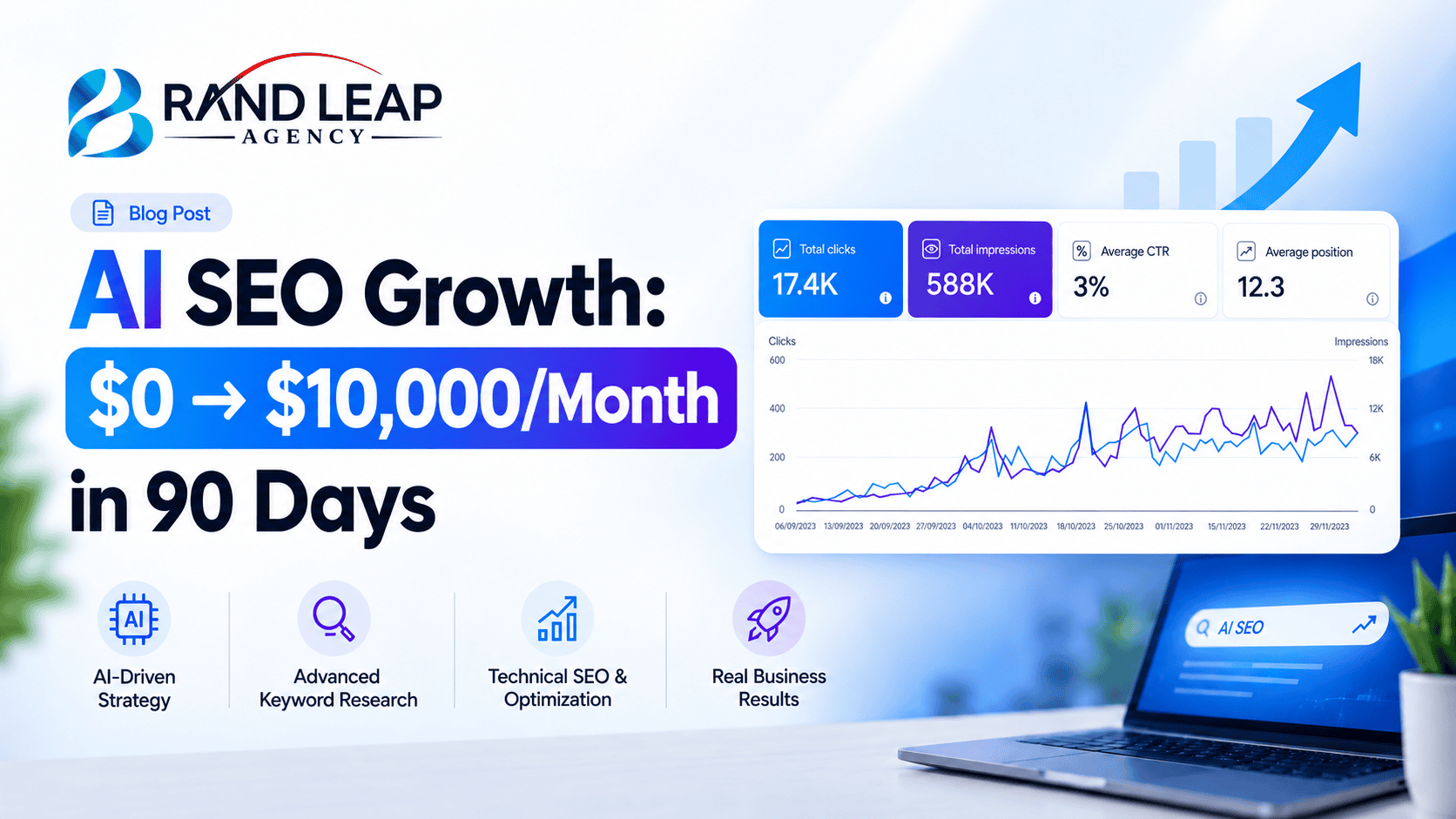
Before signing any contract, ask the agency for case studies specific to restoration or home services. Look for actual metrics: call volume by month, map ranking positions over time, and organic traffic trends from Google Search Console. Brandleap Agency client results for home service businesses include significant long-term revenue growth and strong ROI from sustained SEO campaigns. If an agency can’t show you a Search Console screenshot or a GBP insights graph from a real client, they’re selling promises, not results.
What to Ask Before You Sign with a Restoration SEO Agency
A reputable restoration SEO agency delivers a full site audit, keyword research report, on-page optimization plan, and analytics setup within the first 30 days. Monthly reporting should include rank tracking, GBP performance data, organic traffic, and call attribution, not just a PDF with green arrows. Contracts should include clear scope of work, defined timelines, 30-day cancellation notice terms, and a single named contact managing your account.
Watch for these red flags: agencies that guarantee Page 1 rankings in 30 days, won’t share analytics access, use the same templated service page across multiple restoration clients, or can’t explain their link-building approach. Also be skeptical of any agency that has never worked with a home service or emergency services client. Water damage restoration SEO has specific technical, content, and local requirements that general agencies routinely underestimate, and your budget pays for that learning curve.
Generic agencies assign your account to a junior manager following a standardized playbook. A consultancy-led water damage SEO company like Brandleap Agency takes a different approach: strategy is built around your specific service area, competition map, and revenue goals before a single piece of content gets written. Brandleap works with home service businesses competing in high-stakes local search markets using semantic SEO frameworks that build topical authority over time. If your restoration company has been burned by a one-size-fits-all agency before, a specialist consultancy is consistently where better outcomes begin.
The Bottom Line on Water Damage Restoration SEO
Emergency keyword targeting, local pack dominance, and trust-signal optimization work together as a system, and each element depends on the others. A strong GBP without review velocity won’t hold map rankings. City-specific pages without proper internal linking won’t attract emergency traffic. And the best strategy in the world won’t produce results if the agency executing it doesn’t understand how restoration businesses actually operate at 2am when the calls come in.
The right water damage SEO company won’t sell you vanity metrics. It will set clear expectations around timelines (3 to 12 months to full maturity), deliver transparent reporting tied to actual business outcomes, and build the kind of search presence that produces 30 to 80 calls per month once it matures. Use the pricing benchmarks, KPI targets, and vetting questions in this guide to hold every agency accountable before you sign anything. The restoration market is competitive enough that the wrong agency choice doesn’t just cost you money, it costs you market position that takes months to recover.