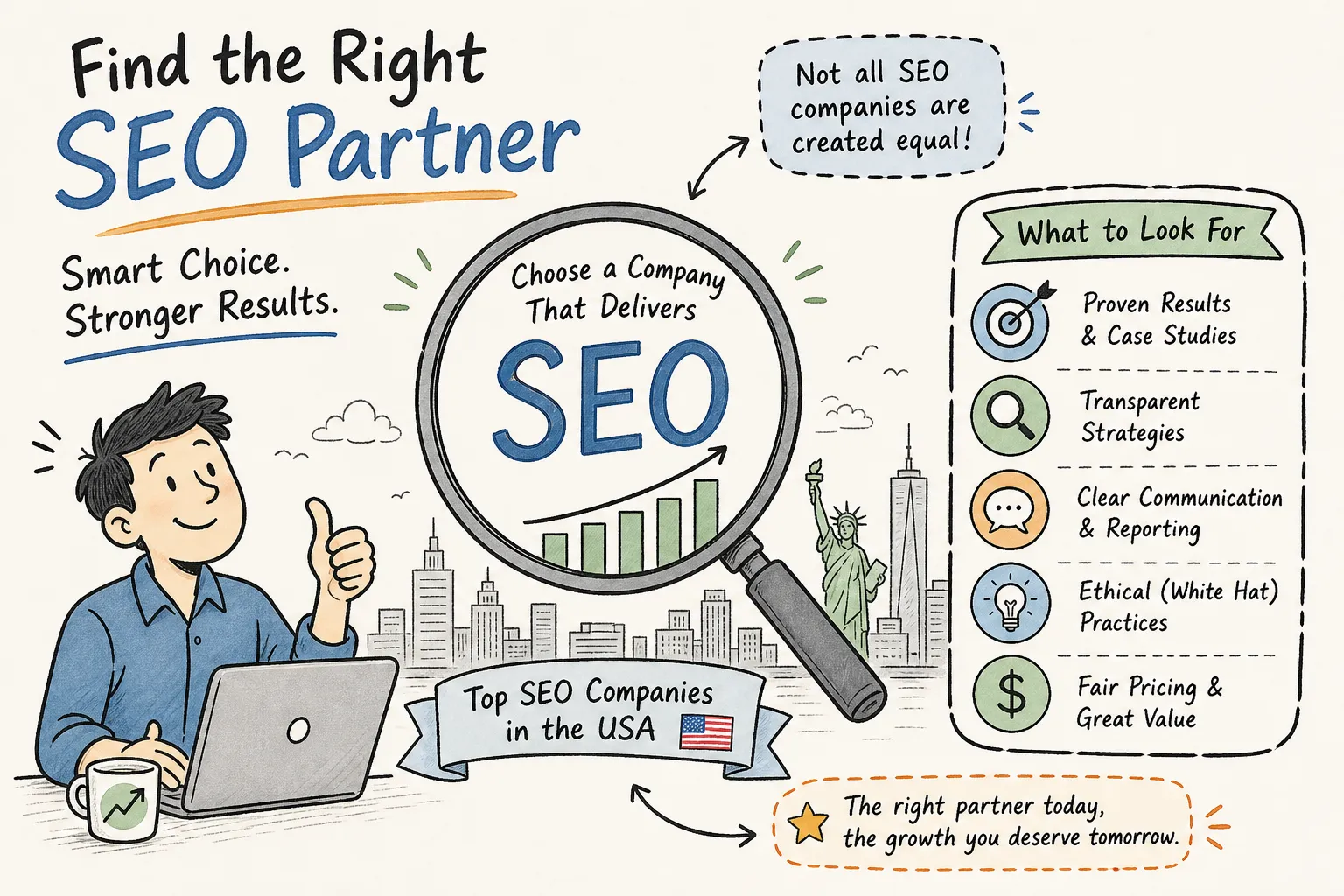
The market for finding a top SEO company in the USA is crowded with agencies competing for U.S. business, and most business owners have no reliable framework to tell the solid ones from the ones that burn budgets and disappear after six months. The promises all sound similar, the jargon makes it genuinely hard to compare options side by side, and the stakes are high enough that a bad hire can set your organic growth back by a year or more. This guide cuts through that noise so you can move from confused to confident.
You’ll get a clear picture of what separates credible SEO agencies from risky ones, what USA firms actually charge in 2026, and the exact questions to ask before you commit to anyone. Some boutique agencies, Brandleap Agency among them, aim to bridge the gap between enterprise-grade SEO strategy and pricing that actually fits a small or mid-sized business budget. Knowing what that looks like in practice makes it much easier to recognize quality when you see it.
What separates a credible SEO company from a risky one
Top agencies are transparent: they proactively share scope, process, sample reports, and case studies before you have to ask. That means a clearly documented service scope, a repeatable process they can walk you through, and willingness to share real client results with actual numbers. If you have to pull teeth to get basic information about how they work, that’s your answer right there.
Any agency that promises first-page rankings within 30 days or guarantees a specific traffic outcome is the first one you should remove from your list. Google’s algorithm doesn’t operate on a schedule, and no honest SEO firm will tell you otherwise. Reputable SEO agencies in the USA also clearly state whether work is handled in-house or outsourced to subcontractors, because that directly affects quality control and accountability.
Red flags that should end the conversation immediately
Vague deliverables are the clearest early warning sign. If an agency can’t tell you specifically what they’ll produce each month, what benchmarks they’ll hit, and what success looks like at three, six, and twelve months, walk away. Locked-in 12-month contracts with no performance milestones are another serious concern. Reputable firms don’t need to trap clients to retain them.
Watch out for agencies that only report on keyword rankings while avoiding any mention of traffic, leads, or revenue. Rankings without business context are nearly meaningless. Similarly, if they can’t clearly explain how they build links or how they evaluate link quality, assume the answer involves tactics that could eventually hurt your site. Always confirm there’s a named account lead you can reach directly, faceless support queues are a recipe for accountability gaps.
How to choose an SEO company in the USA that fits your business type
Not every SEO agency in the USA is built for every business. A large national agency might have impressive client logos but operate with so many internal layers that a small business client ends up with junior account managers and templated strategies. Boutique SEO firms, by contrast, typically route more of your monthly fee toward senior execution rather than overhead, which tends to produce stronger ROI per dollar for focused businesses.
Large national agencies do make sense in specific contexts: multi-location brands, enterprise programs that require cross-market coordination, or organizations with complex reporting hierarchies and multiple stakeholders. For most small-to-mid-sized businesses, though, the fit and efficiency of a well-matched boutique firm consistently outperforms a large agency that treats the account as a small fish in a large pond. If you’re searching for the best SEO agency near me or evaluating top SEO firms in the USA, matching agency type to your actual business size is the most important filter you can apply.
Specializations worth prioritizing for your business type
Before you start outreach, identify which specialization your business actually needs. The categories break down cleanly:
- Local SEO and Google Business Profile optimization for service-area businesses such as contractors, dentists, and law firms that need visibility in the Map Pack
- Ecommerce SEO for online retailers focused on category and product page visibility, organic revenue, and catalog-scale technical performance
- Semantic SEO strategy for businesses that need to build topical authority across a content ecosystem rather than chase individual keywords
- Enterprise SEO for multi-location or multi-brand businesses that need coordinated search infrastructure across dozens or hundreds of pages
Filtering by specialization first saves significant time in the vetting process. A firm that specializes in ecommerce SEO may have no relevant experience in local service business strategy, even if their overall case studies look strong.
SEO company in the USA pricing and retainers in 2026
Pricing in this industry has more variance than almost any other B2B service, which makes it easy for agencies to charge whatever they think they can get away with. Understanding the actual market ranges removes that leverage and helps you evaluate whether a proposal is reasonable or inflated.
Here’s what typical monthly retainers look like across business sizes:
- Local and small business: $500 to $2,000 per month, covering technical SEO basics, citation management, and foundational content
- SMB: $2,000 to $5,000 per month, with ongoing content creation, link building, and recurring audits
- Mid-market: $3,000 to $7,500 per month, with deeper deliverables, stronger link-building programs, and more detailed reporting
- Enterprise: $7,500 to $20,000-plus per month, covering full-service execution across technical SEO, content, authority building, and analytics
Agencies offering comprehensive SEO at rates well below these ranges are cutting corners somewhere, link quality, content depth, or execution speed. That doesn’t mean the cheapest option in a tier is automatically bad, but it does mean you need to ask harder questions when the price looks unusually low.
Contract structures and what to push back on
Month-to-month and three-to-six-month initial engagements are the standard for reputable agencies in 2026. If an agency requires a locked 12-month commitment before delivering a single deliverable or showing you any early results, push back hard or find a different firm. Strong agencies retain clients because the work produces results, not because the contract makes it painful to leave.
Starting with a paid discovery sprint or technical audit before committing to a longer retainer is a reliable way to test fit on both sides. This is a good sign, not a money grab. A thorough audit sets accurate expectations about timeline and effort, and gives the agency a documented foundation to work from rather than guessing at priorities.
The proof points every legitimate agency must show you
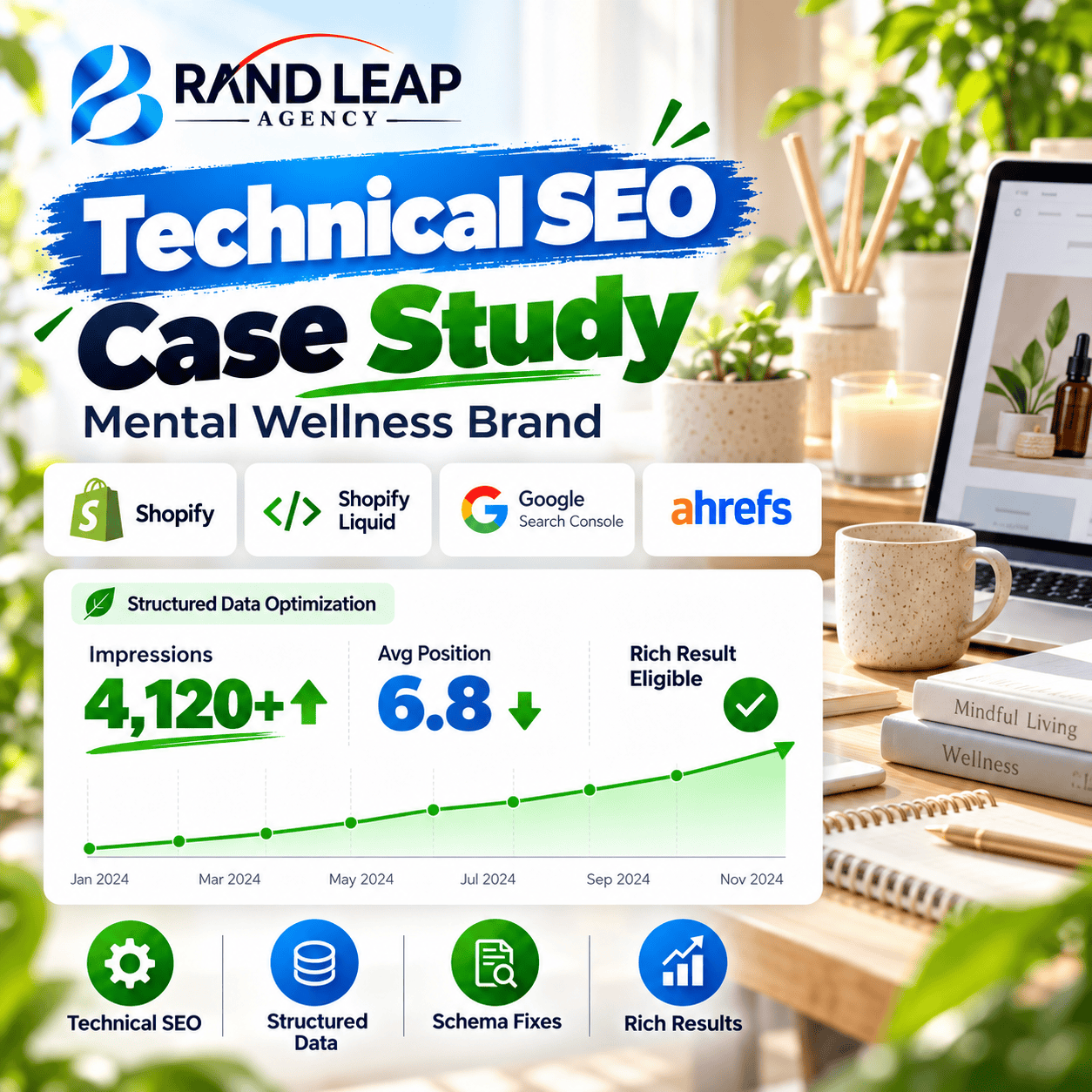
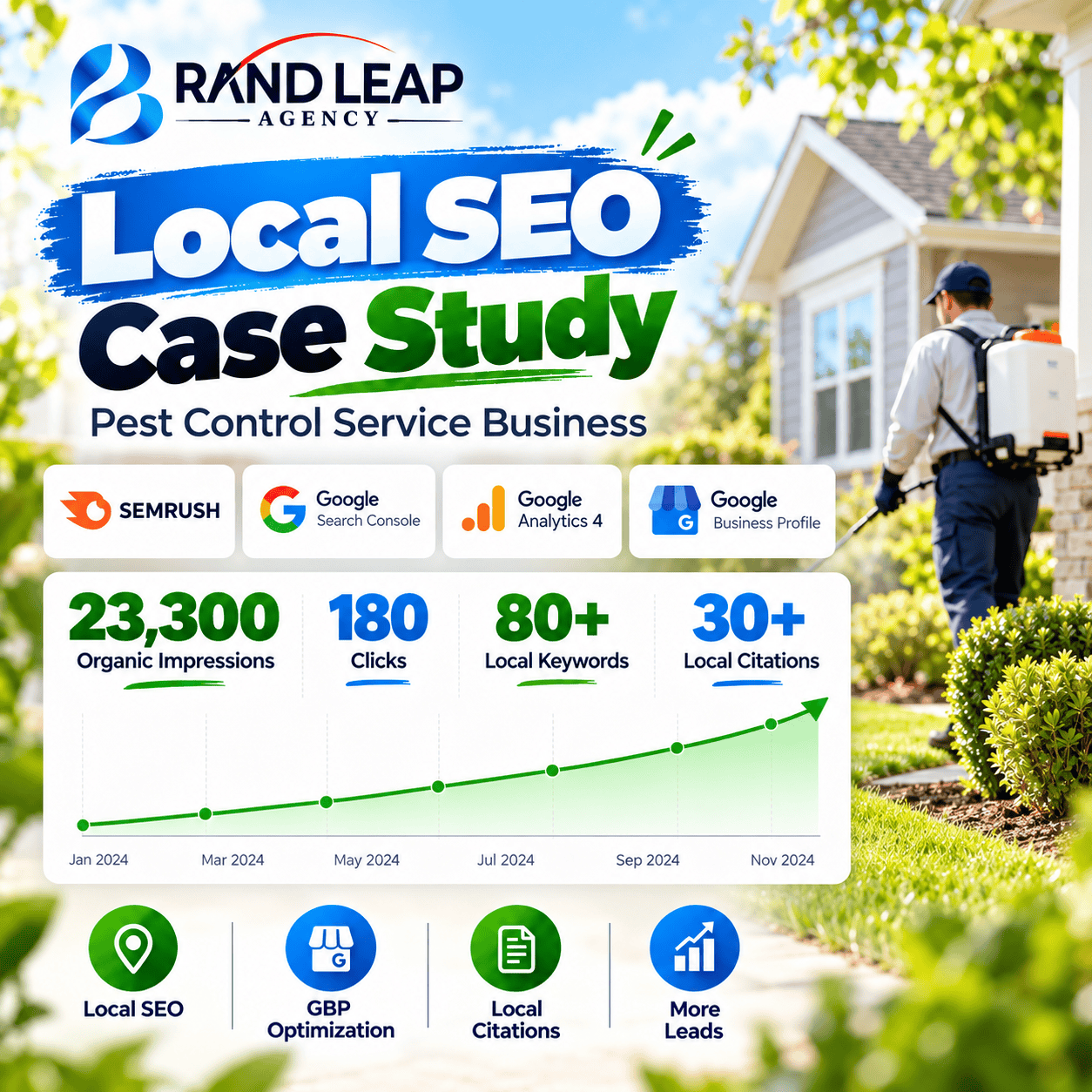
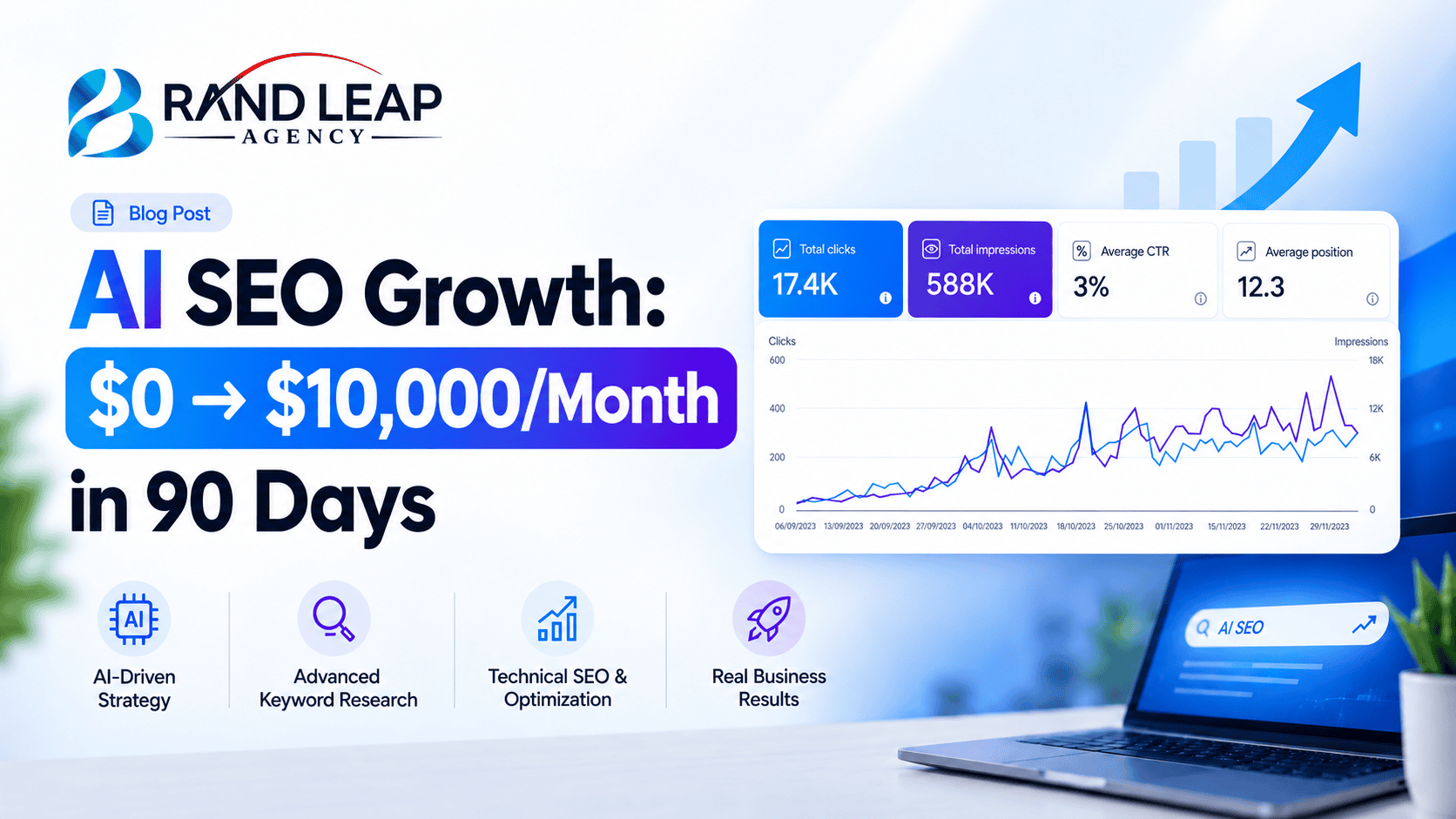
A credible SEO firm should be able to back up its claims with data, not stories. When you’re evaluating candidates, ask specifically for case studies from businesses in your industry, your revenue range, or your competitive context. Logo walls and generic testimonials don’t tell you anything useful. A real case study shows the starting point, the strategy applied, the timeline, and the measurable outcome.
Set a high bar for specificity when reviewing what any agency presents. Results that can’t be tied to a clear business outcome, or that reference vague improvements with no numbers attached, should be treated the same way you’d treat a job applicant who won’t give references. If they’ve done strong work, they can show you exactly what it produced.
KPI frameworks and reporting cadence
A trustworthy agency tracks more than keyword rankings. The metrics that actually matter include organic traffic, conversion rate, lead volume, and revenue tied to organic search. If an agency’s reporting only shows you a ranking spreadsheet, you’re not getting a complete picture of whether the investment is working.
Ask for a sample monthly report before signing anything. A strong report includes context, commentary on what changed and why, and clear next steps, not just data tables. Confirm who owns the reporting relationship day-to-day and what the expected response time is between scheduled updates. For local businesses specifically, ask whether Google Business Profile visibility and Map Pack performance are tracked as core KPIs, because those metrics often drive more leads than organic website traffic does.
Seven questions to ask before you hire an SEO company in the USA
Take these into every agency conversation. The quality of the answers will tell you more than any sales pitch will.
Questions about strategy and process
- Have you worked with a business like ours, and can you share a relevant case study with actual numbers?
- What is your SEO process, and what will you prioritize in the first 90 days?
- How do you build links, and how do you evaluate link quality before acquiring them?
- What do you need from us to execute effectively?
Questions about accountability and results
- What KPIs do you track, and how do you define success at three, six, and twelve months?
- How often will you report, and who will we speak with day-to-day?
- What happens to the work and all content assets if we end the engagement?
Agencies that struggle with any of these questions are telling you something important about how they operate. Strong agencies answer confidently, provide documentation without being asked, and welcome the scrutiny rather than deflecting it.
How to build your shortlist and make the final decision
Start your shortlist by filtering for specialization first. An agency that focuses on your business type, whether that’s local service, ecommerce, or enterprise, will outperform a generalist almost every time. From there, filter by pricing alignment: if their starting retainer is double your budget, they’re not the right fit regardless of how impressive their results look.
Check for recent case studies from the last two to three years and look for verified client references beyond platform reviews. SEO practices shift quickly, and an agency that was excellent in 2021 may not be keeping pace with the semantic SEO strategy, AI search optimization, and technical execution standards that define strong performance in 2026.
A strong agency explains its strategy before closing the sale. It sets realistic timelines: early technical signals like crawl improvements may appear within the first one to two months, ranking and traffic movement typically follows in months three to six, and meaningful revenue or lead impact generally builds over a six-to-twelve-month window. That combination, transparent pricing and advanced semantic SEO strategy, is exactly what the right fit looks like. When you’re ready to hire an SEO company in the USA, use this framework to evaluate every candidate against those same standards.
Use this framework to hire with confidence
The hiring process becomes straightforward once you have the right filters in place. Filter first by credentials and transparency, then match agency type to your business size and goals, validate pricing and contract terms against market norms, and vet proof points and KPIs before any conversation moves to a proposal stage.
The right SEO partner for your business is the one that fits your specific goals, not necessarily the biggest name or the lowest price. Size doesn’t guarantee results. Strategic fit and execution quality do.
If you’re a small or mid-sized business looking for advanced SEO strategy without enterprise-level pricing, Brandleap Agency is built exactly for that gap. Reach out directly to talk through what a results-focused engagement would look like for your business.