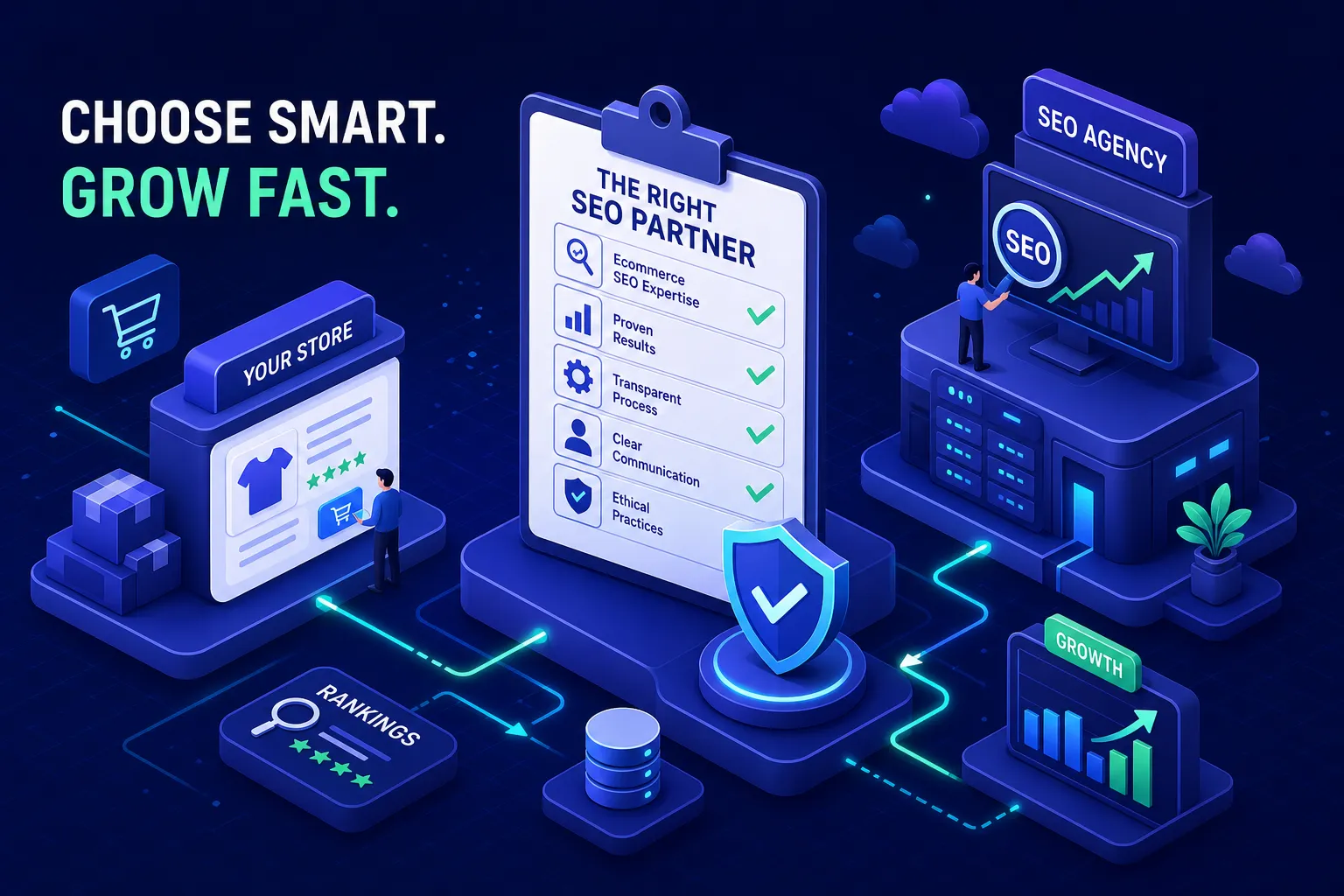
Most online store owners hire an ecommerce SEO agency based on a convincing sales call and a polished slide deck, then spend the next six months wondering why organic revenue isn’t moving. The problem isn’t agency SEO itself. The problem is that most buyers don’t know what to ask for, what to demand in a contract, or what a quality engagement actually looks like month over month.
A full-service ecommerce SEO agency like Brandleap Agency handles everything from technical audits and faceted navigation fixes to conversion-focused category copy and white-hat link building under one roof. That model exists because online store SEO is genuinely complex, and piecemeal vendors rarely produce compounding results. This guide gives you the framework to evaluate any agency, including us, before you sign anything.
By the time you finish reading, you’ll know exactly what services to expect, which ten questions to ask, how to spot red flags in proposals and contracts, what realistic KPIs and timelines look like, and how to build a shortlist that holds agencies accountable from day one.
What an ecommerce SEO agency actually does (and why it’s different)
Why ecommerce SEO isn’t just regular SEO
Ecommerce SEO operates at a completely different scale and intent level than standard SEO work. A generalist agency might optimize 10 to 20 pages for a client; an ecommerce SEO agency often works across thousands of URLs simultaneously, covering product detail pages, category pages, subcategory filters, and editorial content all at once.
The search intent across most target keywords is transactional, which changes how content, schema, and internal linking are structured. You’re not trying to rank a blog post about “best running shoes.” You’re trying to rank a category page that needs to convert visitors into buyers. That distinction shapes every tactical decision, from how you write title tags to how you handle pagination and canonical URLs.
Large catalogs also create unique technical challenges: duplicate content from faceted navigation, crawl budget drain from parameter-heavy URLs, seasonal demand shifts that affect prioritization, and the constant tension between keeping product variants indexed and avoiding thin content penalties. A generalist agency will treat your product pages like blog posts and wonder why nothing ranks.
Platform knowledge matters more than most buyers realize
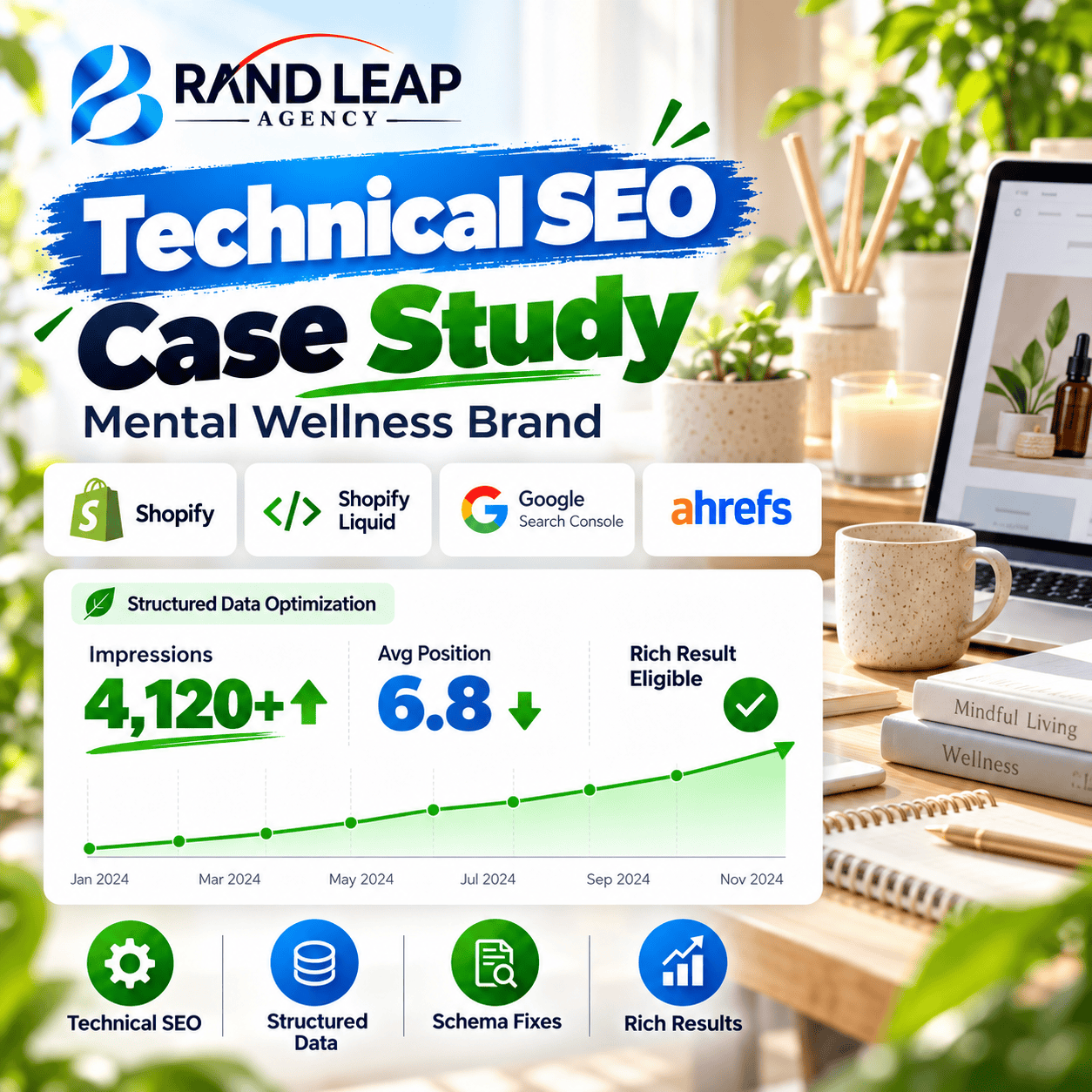
Shopify, WooCommerce, Magento, and BigCommerce each handle indexation, canonicals, and site architecture differently. A Shopify SEO agency knows, for instance, that Shopify generates duplicate URLs for collection-filtered pages requiring specific canonical configurations. Magento’s layered navigation requires custom crawl controls. WooCommerce setups vary so widely that no two installs behave the same way out of the box.
An agency that doesn’t know your platform will spend the first two to three months of your budget learning its quirks rather than executing strategy. The best product SEO specialists ask about your platform in the first conversation, not the third. If they don’t bring it up unprompted, that’s already a signal worth noting.
Services an ecommerce SEO agency should include each month
Technical SEO and site architecture
Every quality engagement should include ongoing technical work covering Core Web Vitals, crawl budget management, indexation controls, canonical setup, redirect handling, sitemap hygiene, and a defined approach to faceted navigation. These aren’t one-time fixes. They’re recurring responsibilities because ecommerce sites change constantly as products are added, removed, or repriced.
Site architecture work should cover category hierarchy, internal linking logic, URL structure, and how collection pages connect to product detail pages. Product schema implementation is non-negotiable: Product, Offer, AggregateRating, and BreadcrumbList markup drive rich results that directly improve click-through rates from search. A quality scope of work specifies exactly which technical items are fixed each month, not just “technical SEO is included.”
Product and category page optimization
On-page work should cover a defined volume of pages per month, something like 20 category and product pages, with documented improvements to title tags, meta descriptions, header structure, and body copy. Keyword mapping matters here: commercial-intent terms go to category pages, specific product terms go to product detail pages, and informational terms support the content layer.
Internal linking strategy should funnel authority from content pages into revenue-generating category and product pages systematically. This isn’t random linking. It’s a deliberate architecture decision that compounds over time as your content library grows.
Content strategy and white-hat link building
Buying guides, comparison content, FAQ pages, and category-level editorial copy all exist to support transactional ranking pages, not to generate blog traffic for its own sake. Content should have a defined monthly output target with briefs, approval rounds, and clear connections to the pages you’re trying to rank.
Link building must be white-hat: outreach-based, digital PR-driven, grounded in competitor backlink gap analysis, and tied to a monthly acquisition target. When a proposal says “content and links included” without specifying volume or methodology, that’s a contract problem you’ll need to address before signing.
Ten questions to ask before you hire an ecommerce SEO agency
Questions about strategy, process, and deliverables
The right questions expose whether an agency thinks in systems or in tasks. Start with: “Which of my pages would you prioritize first, and why?” A strong answer includes specific page types, competitive gap analysis, and a revenue-based rationale. A weak answer is a generic “we’d start with a technical audit.”
Ask directly: “How do you handle faceted navigation and duplicate content on our specific platform?” This single question will disqualify most generalist agencies immediately. Follow with: “What is your monthly deliverable volume for technical fixes, page optimizations, content, and links?” and “Can you show us a sample scope of work and a monthly report from a current ecommerce client?” You want proof of specificity, not a promise of effort.
Two more worth asking: “How do you approach keyword research differently for product and category pages versus blog content?” The answer should reveal whether they understand transactional intent and commercial page strategy.
“What does your link building process look like, and how do you avoid risky tactics?” Any ecommerce SEO agency that can’t walk you through their outreach methodology step by step is probably using tactics they’d rather not explain.
Questions about reporting, accountability, and results
Ask: “Which metrics do you tie back to revenue, not just traffic?” Organic sessions are a leading indicator. Revenue from organic sessions is what you’re actually paying for. If the agency’s reporting framework doesn’t include organic transactions and revenue attribution, you’ll spend months chasing vanity numbers.
Get specific about timelines: “How long before we should expect meaningful organic growth, and what does your estimate look like for our specific situation?” Then ask who works on the account day to day and how often you’ll communicate directly with that person, not an account manager. Finally: “What happens if results aren’t on track at month four or five?” A confident agency has a defined escalation process. An agency hiding behind vague commitments goes quiet.
Red flags and contract pitfalls that protect the agency, not you
Warning signs during the sales process
Guaranteed rankings or promises of “#1 on Google in 90 days” are disqualifying. Google’s algorithm isn’t in anyone’s control, and no legitimate ecommerce SEO company makes this claim. Any agency that does is either uninformed or deceptive, and either option is expensive.
Vague link building answers are equally serious. If an agency can’t explain exactly how it earns backlinks, the answer is usually private blog networks, link farms, or purchased links. These create penalty risk that can take years to recover from. Reports that showcase traffic graphs and keyword ranking tables while never mentioning revenue, transactions, or conversion rate are another clear signal that the agency optimizes for retention optics, not client outcomes.
Contract language to push back on
Watch for success defined as outputs rather than outcomes. A contract that promises blog posts published, audits delivered, and links built without connecting any of it to organic revenue protects the agency’s billing, not your results. Push for outcome-based language tied to measurable commercial KPIs.
Long lock-in terms without performance milestones or clear termination rights at specific review points are a significant risk. If the contract doesn’t specify what gets reported, when, and how attribution is handled, you’ll receive polished dashboards with little decision value. Demand itemized deliverables with page volumes, link targets, and content output defined in writing. “SEO services” as a catch-all scope is not a contract. It’s a blank check.
What real results look like and when to expect them
KPI benchmarks from real ecommerce SEO campaigns
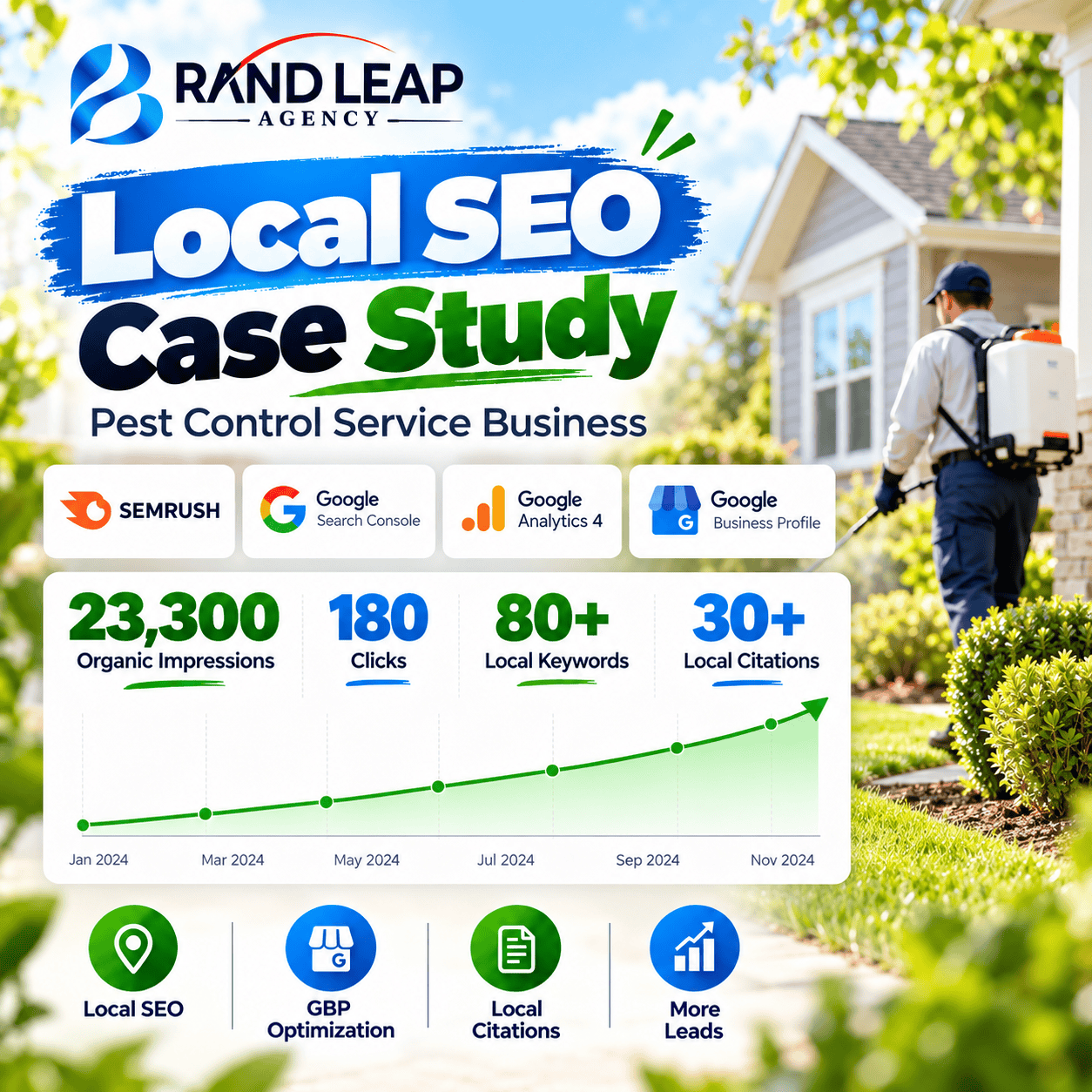
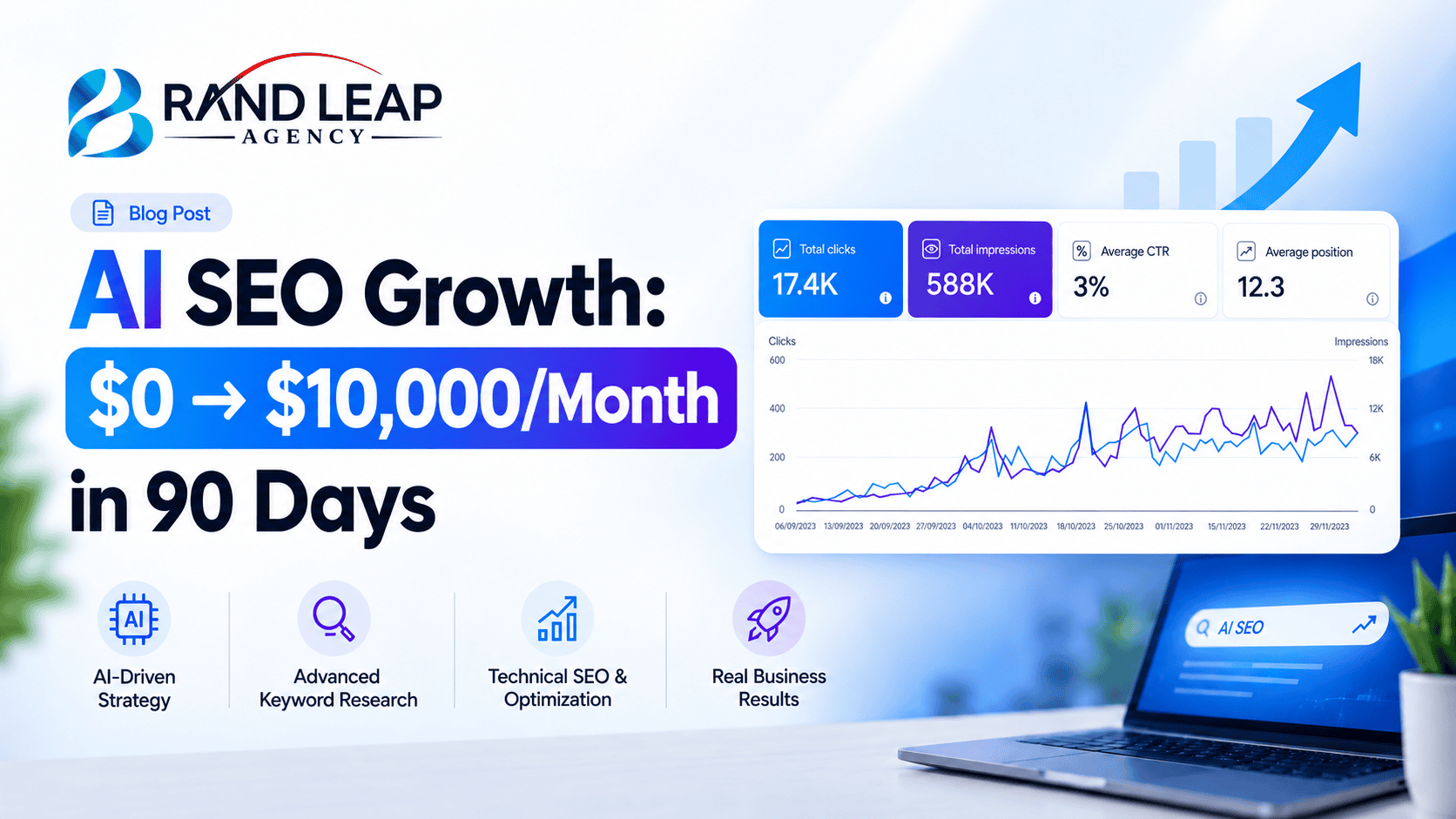
Published case studies show a wide range of outcomes, but the consistent pattern is that revenue movement takes time and compounds. Organic revenue growth examples include a 189% increase in six months (from $42K to $121K monthly), 438% growth (from $17K to $92K per month), and 390% growth over twelve months totaling $2.1M in attributed organic revenue. These aren’t outliers. They’re what well-executed campaigns produce for brands that started with solid technical foundations and consistent content and link execution.
For transactions, well-run campaigns typically report 15% to 30% growth in ecommerce orders from organic sessions within a six-month engagement. Mobile conversion rate improvements of 63% year-over-year are documented in programs that combine technical fixes with UX-aligned content strategy. Average order value is a standard metric to track, but it’s rarely the primary driver of SEO work. Focus your reporting conversations on revenue and transactions first.
Realistic timelines: when you should see movement
Months one and two are audit and implementation. No meaningful traffic shift yet, and that’s completely normal. Months three and four bring first ranking improvements on lower-competition terms and early signals that internal linking changes are influencing crawl behavior. By months five and six, measurable organic traffic and revenue movement should be visible if technical and content work has been executed correctly.
The compounding effect from link building and content becomes most visible in months nine through twelve. This is where the strongest ROI cases are built. Brands that cut an engagement at month four because “it’s not working yet” usually miss the inflection point by two to three months.
Pricing benchmarks and your pre-hire checklist
What different budget levels get you in 2026
Budget ranges break down into three tiers, each suited to a different stage of ecommerce growth:
- $1,500, $4,000/month: Foundational technical SEO, limited on-page work, minimal content, and basic link acquisition. Best for small stores in low-competition verticals.
- $4,000, $10,000/month: Mid-market execution with broader page coverage, stronger technical work, consistent content production, and ongoing link building. The most common range for serious ecommerce brands focused on moving meaningful revenue.
- $10,000, $25,000+/month: Enterprise programs covering large catalogs, competitive verticals, and multi-channel SEO execution. For a growth-focused ecommerce brand in the US in 2026, the clearest benchmark for a full-service engagement that actually moves revenue is $5,000 to $12,000 per month.
A simple pre-hire checklist before you sign
Before you commit budget to any ecommerce SEO agency, verify each of the following:
- Verified case studies showing revenue and transaction outcomes, not just traffic
- A sample scope of work with page volumes, link targets, and content output defined by number
- A sample monthly report that includes organic revenue and transaction attribution
- A named account team with a clear communication cadence
- A contract with performance milestones and defined exit rights at specific review points
- A clear explanation of link building tactics with no guaranteed-ranking language anywhere in the proposal or contract
Brandleap Agency checks every one of these boxes: founder-led strategy applied directly to each account, full-service execution from technical audits to content strategy and white-hat link building, and transparent monthly reporting tied to the business outcomes that actually matter to ecommerce brands.
The right agency is one you can hold accountable
Hiring the right ecommerce SEO agency comes down to knowing what to demand before you sign, not hoping results show up afterward. Use the ten questions in this guide. Check every scope for defined deliverables with real volume commitments. Read the contract for outcome-based language and exit rights. And compare any pricing you receive against the benchmarks that reflect what a serious engagement actually costs in 2026.
Brandleap Agency is built for ecommerce brands that want a single strategic partner rather than a patchwork of vendors. From technical SEO and product schema to category page optimization, ecommerce SEO services spanning content strategy and link building, every layer of execution runs under one roof with senior-level thinking applied directly to your account.
When you’re ready to shortlist agencies or want a proposal built around your specific catalog, platform, and growth goals, reach out to the Brandleap team and start the conversation.