
Toronto has no shortage of SEO agencies. A quick search turns up dozens of firms, every one of them promising first-page rankings and explosive traffic growth. The real challenge when looking for an SEO company in Toronto isn’t the volume of options, it’s identifying which ones actually deliver on those promises and which ones will burn your budget on a checklist of activities that never move the needle.
This article gives you a practical framework to evaluate any Toronto search engine optimization company before you sign a contract. You’ll understand what separates strategy from busywork, what you should expect to pay in 2026, how to verify case study results, and exactly what questions to ask before committing to a retainer.
One pattern worth noting: many Toronto businesses are no longer evaluating agencies solely on local market familiarity. Increasingly, they’re shortlisting agencies that have operated in fiercely competitive environments, including U.S. markets, because that level of competitive exposure tends to produce sharper strategic thinking. Keep that filter in mind as you build your shortlist.
What separates a great SEO company from a mediocre one
On paper, most Toronto SEO firms offer the same service menu: technical audits, content creation, link building, and monthly reporting. The difference between a great agency and an average one isn’t the service list. It’s the depth of strategic thinking behind every activity and how tightly that work connects to your actual business goals.
Strategy depth vs. a checklist of tactics
A great agency starts with search intent and your specific competitive landscape before touching a single keyword. A less capable one might hand you a spreadsheet of 200 keywords and present it as a strategy, a common sales tactic among lower-tier providers. Real SEO strategy looks like topic authority mapping, competitive content gap analysis, and an architecture designed to convert visitors, not just attract them. If an agency can’t explain how their keyword selection connects to your revenue pipeline, that’s a problem worth taking seriously.
Reporting that tells you what’s actually happening
Weak agencies report on rankings alone. Strong agencies tie keyword movement to organic traffic trends, conversion data, and estimated revenue impact. A high-quality monthly report should include organic traffic segmented by intent, keyword position changes with trendlines, backlink acquisition progress, Core Web Vitals health, and a plain-English explanation of why the numbers changed. If you can’t understand the report without asking your account manager to translate it, you’re working with the wrong agency.
Why global market exposure raises the strategic bar
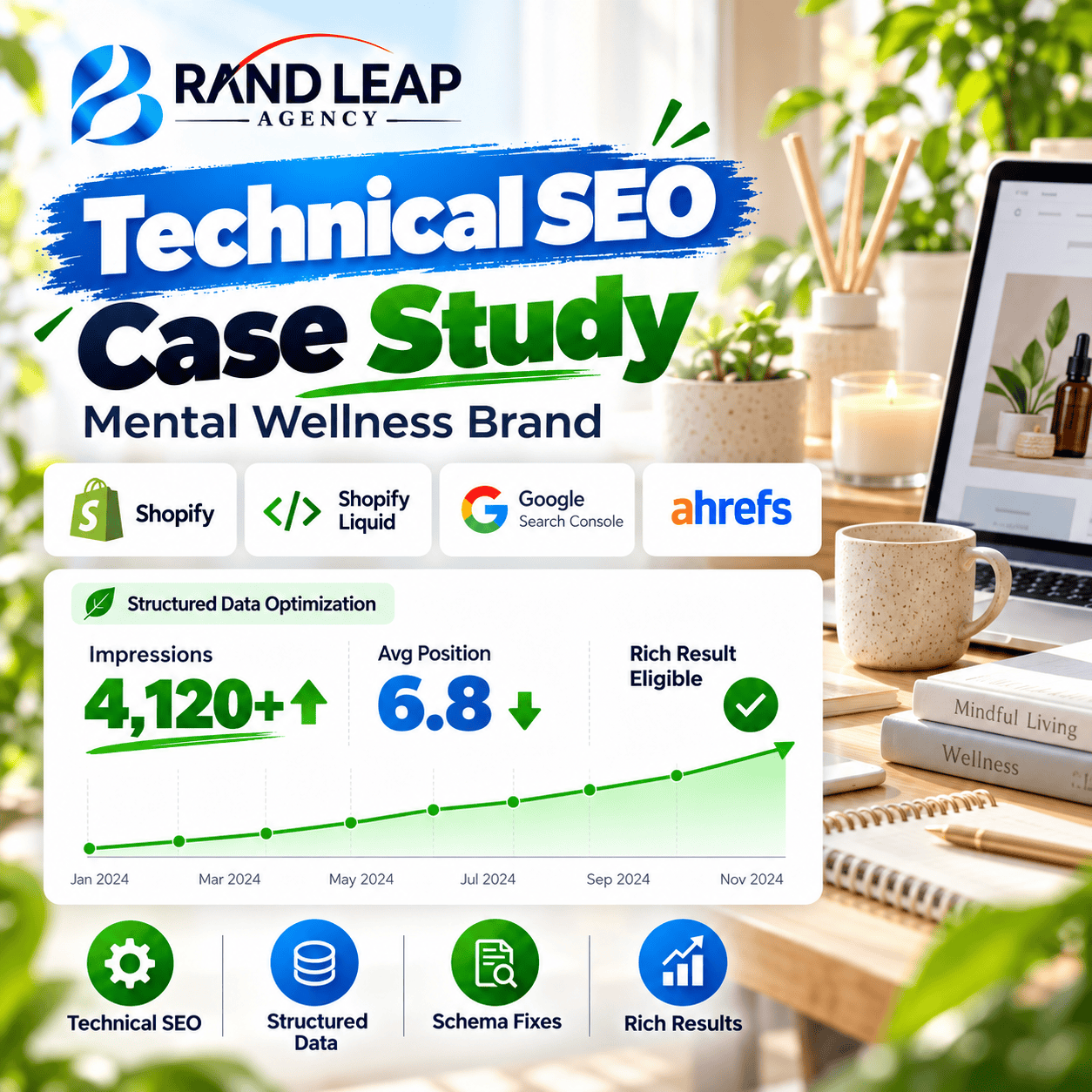
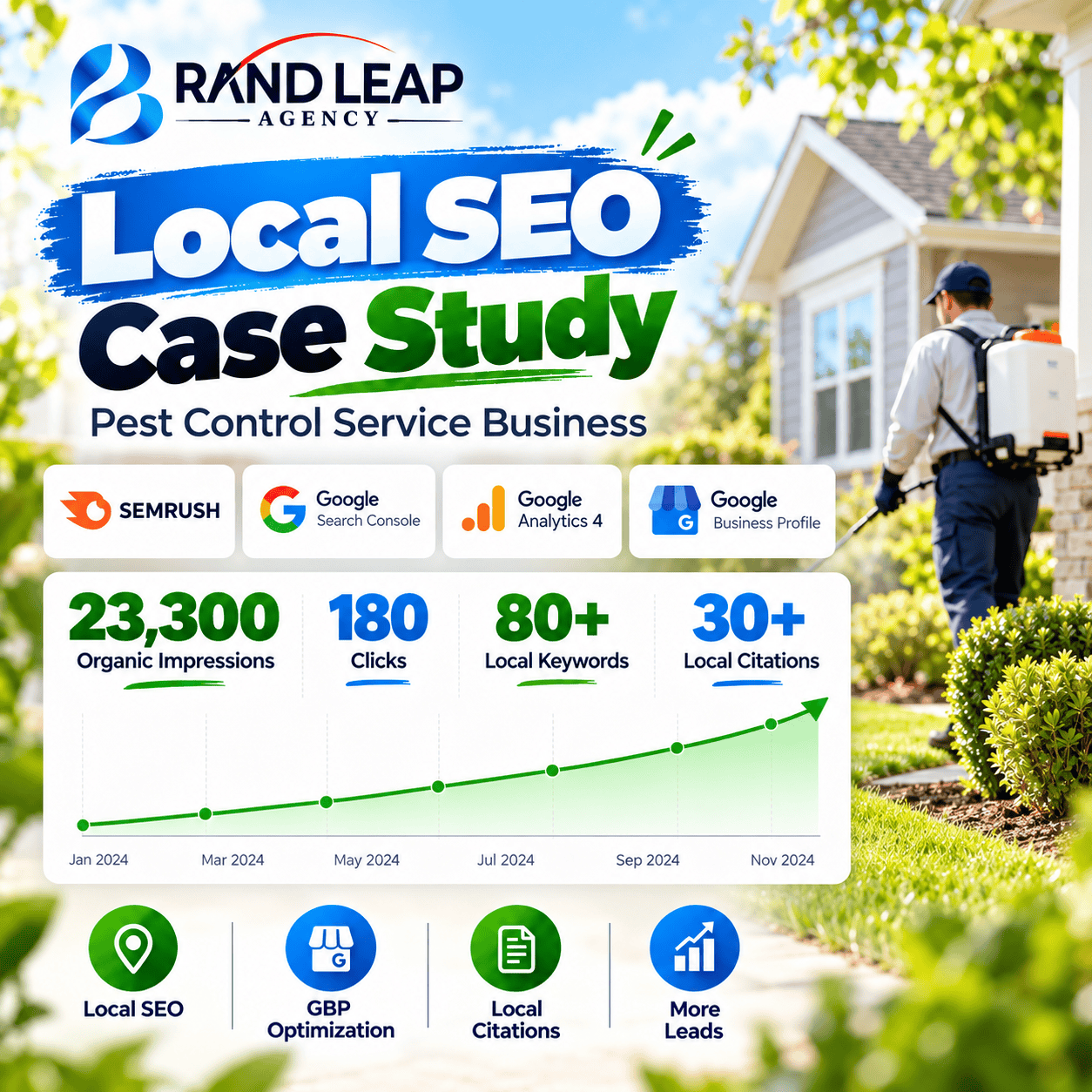
When a Toronto business wants to compete beyond the GTA, whether targeting U.S. buyers, international customers, or building a national brand, local SEO experience alone isn’t enough. Agencies that have worked in the world’s most competitive search markets bring a level of competitive intelligence that city-level optimization rarely develops. When shortlisting the best SEO agencies in Toronto for cross-border growth, it’s worth asking each one directly: have you run campaigns in the U.S. market, and what did those results look like? Brandleap Agency is one option built around U.S. market SEO and international search strategy, which makes it a relevant candidate for businesses with growth ambitions beyond Canada.
What SEO services in Toronto actually cost in 2026
Pricing is one of the most confusing parts of hiring an SEO company. The range is genuinely wide, and that range doesn’t always correlate with quality. Understanding the market tiers helps you match your investment to your actual growth stage rather than defaulting to the lowest or highest bid.
Monthly retainer tiers from local to enterprise
Toronto agencies typically structure retainers into four pricing bands. Based on aggregated agency pricing and market surveys from Clutch and similar platforms, ranges tend to fall as follows:
- Starter (C$1,500, C$2,500/month): Google Business Profile optimization, on-page work for 6, 10 pages, and a basic audit. Suited for single-location businesses in low-competition niches.
- Growth (C$2,500, C$5,000/month): Four to six content pieces per month, technical SEO, link building, and conversion tracking. Appropriate for competitive verticals like legal, dental, or B2B services.
- Multi-location / E-commerce (C$5,000, C$15,000/month): Per-location landing pages, product schema, and digital PR.
- Enterprise (C$10,000, C$30,000+/month): Dedicated team members, custom reporting, and programmatic SEO at scale.
One-time projects vs. ongoing retainers
Not every business needs to jump straight into a monthly retainer. One-time project pricing typically includes technical SEO audits (C$1,500, C$5,000), local SEO setup with citations and Google Business Profile (C$3,500, C$8,000), keyword research and content strategy (C$1,000, C$4,000), and penalty recovery (C$2,000, C$10,000). A one-time audit makes sense if you have internal resources to execute but need a roadmap. That said, most reputable agencies require a six-to-twelve-month minimum engagement before results compound meaningfully, the six-month minimum exists because SEO compounds. The first two to three months are foundation-building, not deliverable months. Factor that into your planning before committing to a project-only mindset.
How to vet an SEO company in Toronto: case studies and result verification
Every agency has a case studies page with impressive numbers. The question is whether those numbers are real, verifiable, and relevant to your situation. What “relevant” means in practice: the industry, site size, and competitive environment of the case study should be reasonably comparable to yours, a local restaurant case study tells you very little about what an agency can do for a B2B SaaS company.
Traffic and ranking benchmarks worth believing
In competitive Toronto verticals, credible agencies have reported organic traffic increases ranging from 47% to 510% over three to six months, with examples that include 14 new page-one rankings from zero, 200% page-one keyword growth, and 189+ keywords ranked within six months. These figures appear across published case studies on platforms like Clutch, though the specific outcomes vary significantly by industry and baseline. The benchmarks only mean something when you can see the starting point, not just the percentage gain. An agency that grew a site from 50 monthly visitors to 300 is very different from one that scaled a site from 2,000 to 12,000. Always ask for the starting numbers, and ask to verify them against Google Search Console screenshots or Ahrefs exports rather than a polished PDF the agency designed themselves.
Revenue and lead metrics that prove business impact
Rankings and traffic are inputs; leads and revenue are outputs. The strongest Toronto SEO agencies connect their work directly to business outcomes. Published case studies across platforms like Clutch and agency-reported data have cited metrics including 60% to 200% revenue growth, 10x organic lead increases, and conversion rate improvements exceeding 400%, though these figures represent high-end outcomes tied to specific client situations, not typical results. A credible agency will show before-and-after analytics tied to specific SEO activities, not just correlation but attribution. Before signing, ask for Google Analytics read access to confirm the numbers you’re reviewing are real and unmanipulated. Verify that organic traffic growth doesn’t include branded search terms or paid traffic, which can inflate numbers without reflecting genuine SEO performance.
Third-party credentials that prove an agency is credible
Self-reported claims are easy to manufacture. Third-party validation is harder to fake and gives you a more reliable signal when shortlisting Toronto SEO consultants.
What Clutch ratings and Google Partner status actually signal
Clutch rankings reflect verified client reviews and real project history. An agency ranked in the top tier on Clutch has cleared a meaningful credibility bar because Clutch independently verifies the reviews. For context, Awkward Media holds a top SEO agency ranking in Toronto on Clutch with a 4.9-star rating from 87+ verified reviews, and Thrive carries a 5.0 rating with editorial recognition in Forbes and Entrepreneur. Google Premier Partner status is a different signal entirely: it confirms elite-level Google Ads performance (the badge goes to the top 3% of agencies in a country), but it does not validate SEO capabilities. It does indicate the agency understands Google’s broader ecosystem, which is worth something for businesses running integrated SEO and paid search strategies.
Semrush partnerships and review platform consistency
Semrush Agency Partner status confirms an agency has demonstrated tool proficiency and client results on a respected third-party platform. Both dNOVO Group and Search Engine People carry this credential, which is a meaningful signal for data-driven campaigns. Beyond individual platform badges, look for consistent ratings across Clutch, Google, and UpCity rather than a single strong platform with nothing elsewhere. Consistent ratings across multiple review platforms signal genuine client satisfaction, not a managed review campaign targeting one channel.
What a proper SEO retainer contract should include
Before you sign anything, you need to know exactly what you’re buying. Vague retainer agreements are one of the most common sources of frustration between Toronto businesses and their SEO agencies.
Core monthly deliverables across service tiers
A solid SEO retainer should specify deliverables clearly. At a standard tier, expect two to six long-form content pieces per month, three to eight editorial-quality backlinks, weekly Google Business Profile updates for local businesses, and a written content calendar with a link acquisition log. Continuous technical monitoring should cover Core Web Vitals, crawl audits, and schema implementation, with bi-monthly written reports in plain English explaining what changed and why.
Enterprise contracts expand this scope to include programmatic SEO, international hreflang support, and CRM or data analytics integration. If a content calendar and link acquisition log aren’t itemized in the contract, ask for them before you sign.
Contract length, exit terms, and realistic SLA expectations
Most reputable Toronto agencies require a six-month initial commitment. The six-month minimum exists because SEO compounds, the first two to three months are foundation-building, not deliverable months. After the initial term, month-to-month with 30 days’ notice is the industry standard. Be cautious of any agency that guarantees specific ranking positions in writing; that’s either naive or dishonest, because Google controls rankings, not the agency. Legitimate SLAs cover output consistency, content volume, reporting cadence, and technical response time. Those are commitments an agency can actually control and deliver on.
Five questions to ask before hiring any Toronto SEO firm
The answers to these five questions will tell you more about an agency than any website, brochure, or sales call. Ask them directly, and pay close attention to how specific the responses are.
Questions that reveal how an agency thinks
- “Walk me through how you’d build an SEO strategy for my specific business and competitors.” This tests strategic thinking, not just service delivery. A strong agency will reference competitor gap analysis and intent mapping immediately; a weak one will describe their standard package.
- “What does your reporting look like, and how do you tie rankings to revenue or leads?” This reveals whether the agency thinks in business outcomes or vanity metrics. If they can’t explain the connection, they can’t prove ROI.
- “Can you show me a case study with before-and-after analytics access?” This separates verified results from designed PDFs. A confident agency will pull up live data or arrange a reference call without hesitation.
Questions that protect your investment
- “What’s your minimum contract length and exit process if we’re not seeing results?” This tests the agency’s flexibility and confidence in their own work. A six-month commitment with month-to-month after that is reasonable; a 12-month locked contract with no performance clause is a red flag.
- “Do you have experience with international or U.S. market SEO if we want to grow beyond Canada?” This tests strategic range. For any Toronto business with growth ambitions beyond the local market, this question opens an important conversation about whether a globally experienced agency is the right partner from day one.
How to make the final call on your SEO company in Toronto
After all the research and vetting, the decision comes down to a single core question: does this agency show their work in ways you can verify? Pricing alone is a poor filter. A C$1,500/month agency and a C$5,000/month agency can both be wrong for your business depending on your goals, your market, and what’s actually included in the engagement.
Use the framework from this article, ask the five questions, and prioritize agencies that show their work with live data rather than polished decks. The best SEO agencies in Toronto welcome scrutiny because they have nothing to hide.
For businesses evaluating Toronto SEO options with an eye on U.S. or international growth, agencies with cross-border experience bring a strategic perspective that purely local players often lack. Brandleap Agency is built around exactly that model, U.S. market SEO and international search strategy, and is worth including in your evaluation if cross-border growth is part of your roadmap. Request a strategy conversation before you commit to anyone.