Finding the right international SEO consultant is not the hard part. The hard part is separating consultants who actually know international SEO from those who know domestic SEO and happen to speak a second language. Most who claim global experience have optimized one website for one market and applied that knowledge sideways to other regions. The result for businesses is broken hreflang, content that ranks in no market at all, and a budget that disappears without a visible return.
The stakes are higher than most marketing hiring decisions. Multi-regional SEO requires architectural choices that are expensive and difficult to reverse. A misaligned hire at the strategy level can take many months to correct and compound costs well beyond the consultant’s fee. A small number of consultants have built genuine cross-border track records. Identifying which ones qualify, and which are simply repackaging domestic experience, is the central challenge this guide addresses.
What follows is a practical decision framework: which credentials to verify, which deliverables to require, how to stress-test case studies, what pricing to expect in 2026, and a hiring checklist to evaluate every candidate before you commit.
What separates a real international SEO consultant from a generalist
Most SEO consultants run a single-market playbook. They know how to do keyword research in one language, configure Google Search Console for one property, and build links from one country’s web. International SEO is a different discipline entirely. It demands decisions around technical architecture, multilingual search intent, and geo-targeting that generalists simply do not encounter in standard domestic campaigns. The gap between knowing this theoretically and having executed it at scale is wide.
The technical baseline a global SEO expert must clear
The minimum technical standard for a best-in-class international SEO consultant includes fluency in hreflang syntax, international site architecture decisions (ccTLDs versus subfolders versus subdomains), canonical tag management across language variants, crawl budget planning for large multi-regional sites, and geo-targeting configuration in Google Search Console. These are core expectations for international SEO engagements, a consultant should be able to explain their approach to each and provide examples or documentation. If a candidate cannot speak to these with specifics and evidence, they likely do not qualify for the scope.
Why multilingual keyword research is not translation
This is where most under-qualified candidates fall apart. Translating an English keyword list into Arabic or French is not research. A qualified multilingual SEO specialist builds keyword maps from native-language SERP analysis, identifies the competitive field by country, and maps search behavior by market, not just by language. Egyptian users, Saudi users, and Emirati users may all search in Arabic, but with different vocabulary, different intent signals, and different price-sensitivity modifiers. A real multilingual keyword deliverable reflects those distinctions at the country level.
How to choose the best SEO consultant for international SEO
Before shortlisting any candidate, you need to know what a proper scope of work looks like. Many consultants send proposals that appear international because they mention multiple countries. The deliverables tell the real story. A legitimate engagement covers two distinct layers: technical foundation and market localization.
Technical international SEO: the foundation layer
A complete technical scope includes hreflang implementation and full locale mapping, geo-targeting configuration in Google Search Console, international site architecture planning, and canonicalization discipline across all regional variants. It also includes a Core Web Vitals assessment by market, because performance thresholds differ by region and device profile. Localized content will underperform regardless of how strong the writing is without this foundation properly in place.
Market localization: where rankings become revenue
Technical setup without market localization produces a website that indexes correctly in markets it does not actually serve. A complete engagement includes multilingual keyword research per target country, a localization audit covering content, on-page elements, and cultural fit, country-specific link building, and analytics reporting segmented by organic traffic and conversion per region. Aggregate global traffic reports are not an acceptable measure of international SEO performance. If a consultant’s reporting is not segmented by country and language, their optimization almost certainly is not, either.
Why MENA and Arabic market expertise is a separate credential
For Egyptian businesses targeting regional expansion or Arabic-speaking markets, general international SEO experience is not enough. A multi-regional SEO expert working in the MENA region needs a specific technical and cultural skill set that many consultants, particularly those without MENA-focused case studies, simply do not have. Ask for proof of local launches, Arabic keyword maps, and RTL technical implementations before accepting any claim of Arabic market experience. This should be evaluated as a standalone credential, separate from everything else on a shortlist.
Technical Arabic SEO setup: what to verify
Ask directly for proof of RTL implementation experience: dir="rtl", lang="ar", Arabic-friendly URL structures, and hreflang tags for Arabic language and country variants including ar-EG, ar-SA, and ar-AE. Arabic schema markup and mobile-first readability adjustments round out the technical picture. Arabic text is visually denser and often requires shorter paragraphs, careful heading structure, and mobile-first readability checks, a consultant should be able to show examples or documented tests for Arabic pages. A consultant without this hands-on MENA experience will learn on your budget.
Egyptian Arabic versus MSA: the search intent gap
Modern Standard Arabic and Egyptian Arabic produce different keyword sets and different intent signals in Google SERPs. Egyptian searches disproportionately include colloquial vocabulary and price modifiers, such as “بكام” (how much) and “أرخص” (cheapest), that MSA-focused keyword research will miss entirely. A qualified hreflang consultant and Arabic SEO specialist shows keyword maps built from actual Egyptian SERP data, not recycled GCC queries. Beyond the keywords, they should have a clear plan for local authority building: Arabic backlinks, regional directories, Egypt-specific citations, and Google Business Profile optimization in Arabic.
How to read case study proof before you sign anything
International SEO case studies are easy to fabricate and easier to misread. Aggregate traffic numbers tell you almost nothing about multi-regional performance. Before evaluating any case study, know what realistic results look like and what timeline to benchmark against.
Realistic timelines for international SEO campaigns
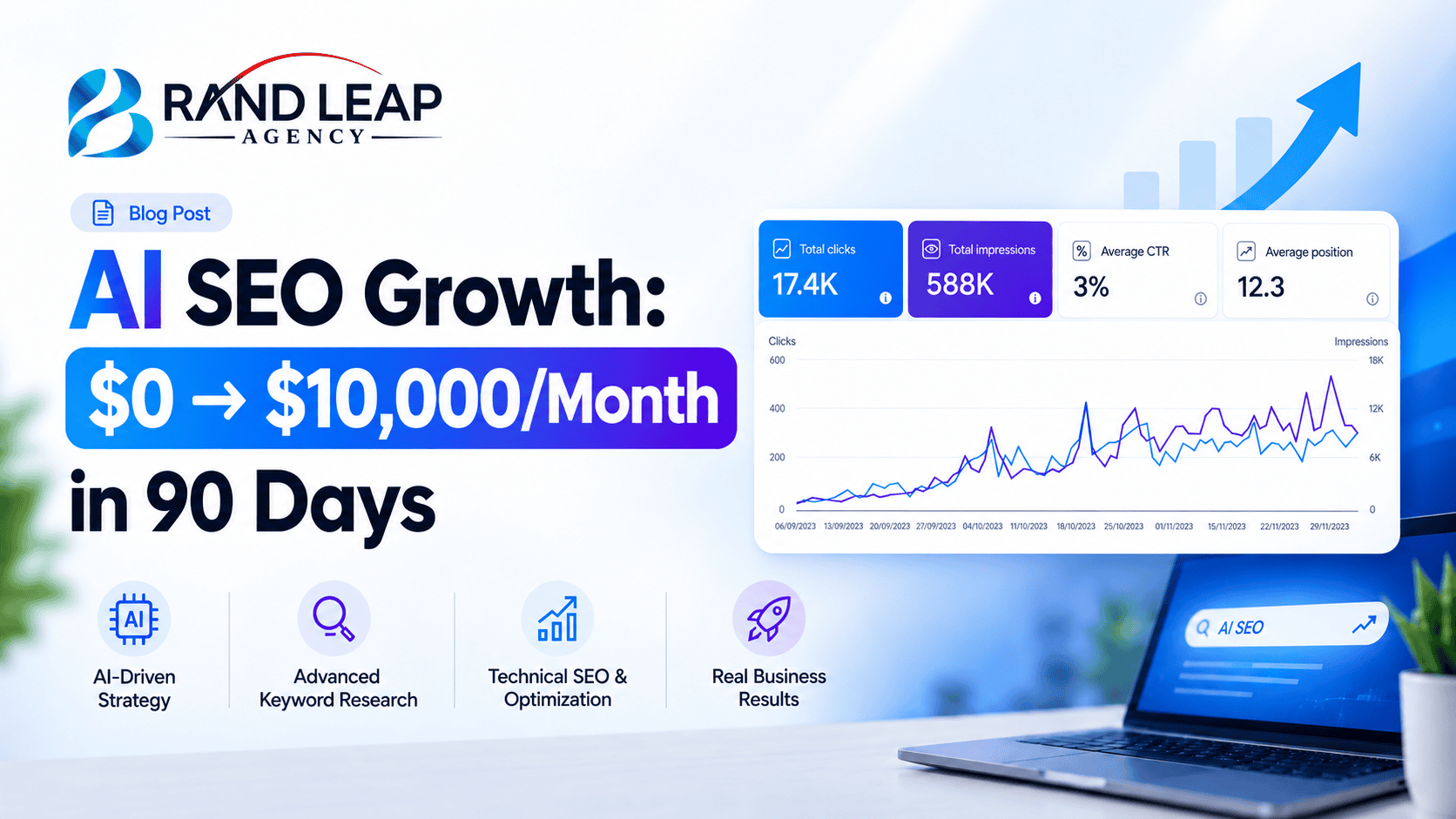
Rankings and impressions from international SEO typically move within 1 to 6 months. Organic traffic growth becomes meaningful between 6 and 12 months. Revenue-level impact typically takes 12 months or more. Consultants claiming immediate commercial results from international SEO should be questioned. Any case study showing dramatic revenue gains in under 3 months, without a pre-existing domain authority advantage, warrants direct scrutiny.
The numbers that indicate real international SEO performance
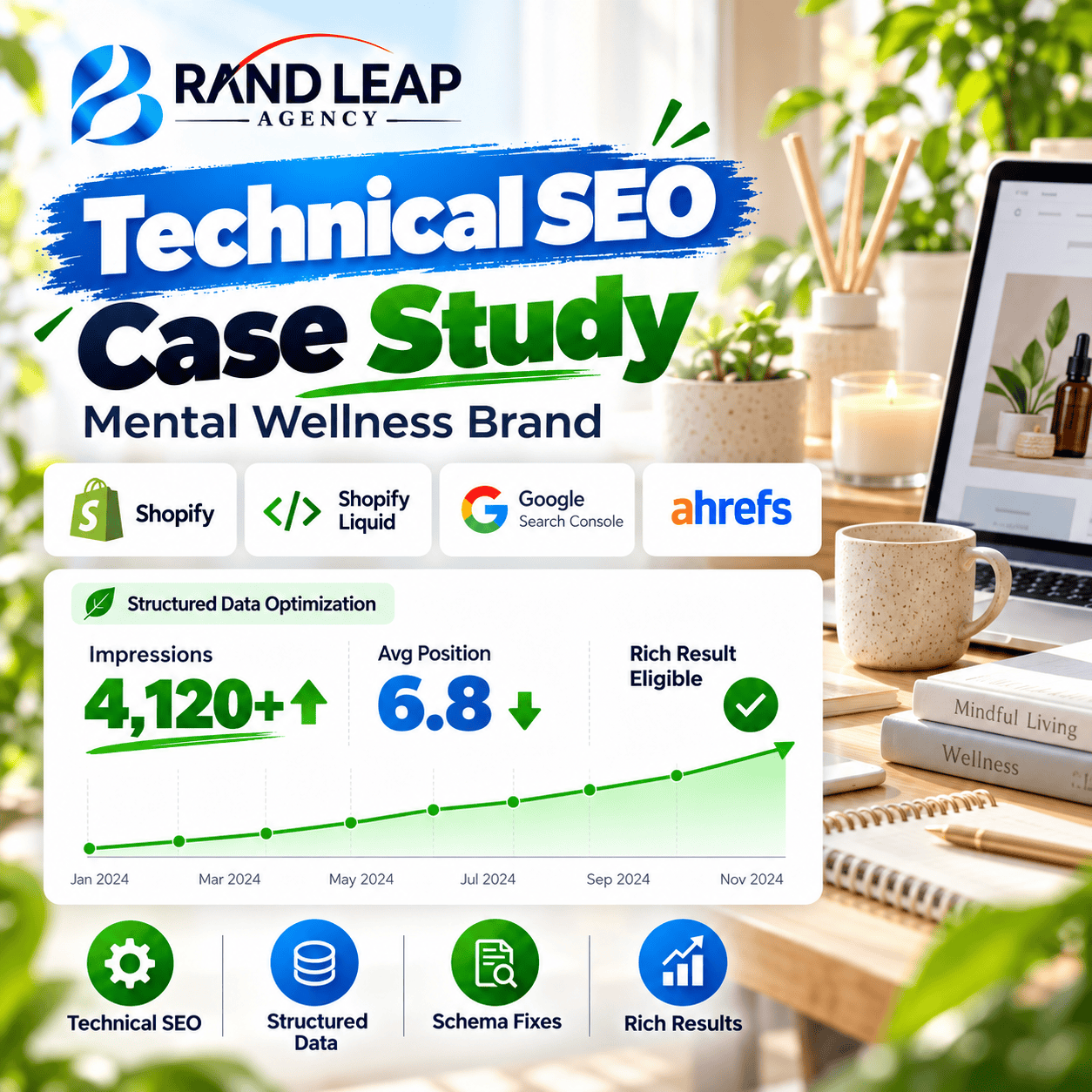
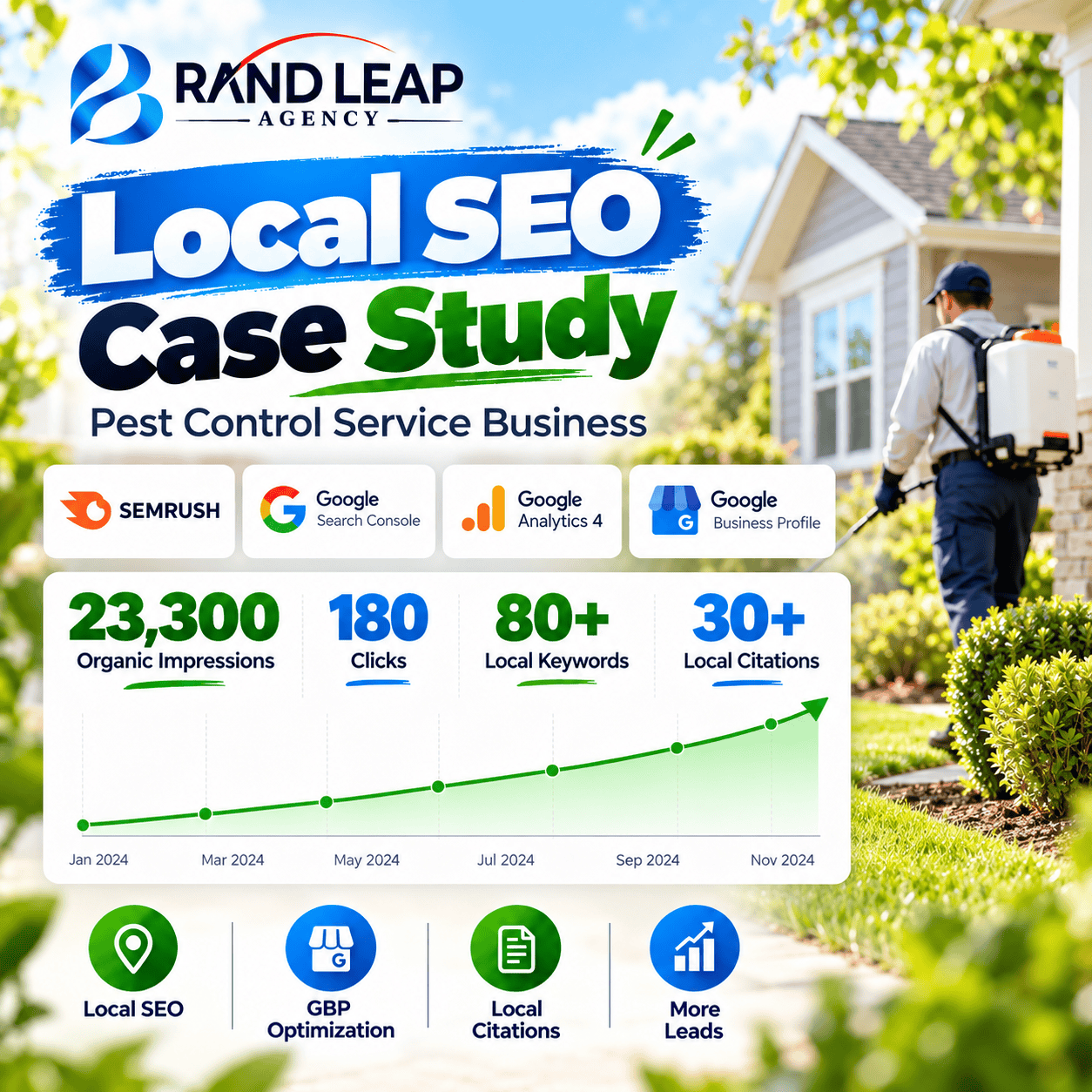
Legitimate international SEO case studies report traffic lifts between 35% and 486%, top-country keyword rankings within 3 to 8 months, and organic subscription or pipeline growth ranging from 41% to over 6x. One industry-documented multi-region expansion project achieved 486% traffic growth and 18,600 ranking keywords after expanding to 14 countries, a result consistent with full hreflang implementation and country-segmented content strategy. A separate campaign reported a 35% organic traffic increase from European markets within six months, driven by localized on-page work and regional link building. When reviewing case studies, request country-segmented traffic data, not global aggregates. Also ask for hreflang audit reports. A consultant who has done this work properly has documentation of the implementation itself, not just a traffic screenshot.
Pricing models and what different budget ranges actually buy
Pricing in international SEO varies significantly by provider type, engagement scope, and market complexity. Setting a realistic budget expectation before you open conversations will save you significant time during evaluation.
Freelance international SEO consultant rates in 2026
Based on 2026 market data, mid-level international SEO specialists typically charge between $75 and $200 per hour. Senior specialists and recognized global search marketing consultants charge $200 to $500 or more per hour. Monthly retainers for freelance international SEO support usually run $1,500 to $5,000 for ongoing advisory and audit work, with enterprise-level or multi-country execution retainers reaching $10,000 to $25,000 or more per month. These rates reflect specialist pricing because the technical and market knowledge requirements are materially higher than generalist SEO work.
International SEO agency retainer benchmarks
Agency retainers for multi-country campaigns typically start at $2,500 per month for SMB scope. Mid-market multi-regional campaigns generally run $5,000 to $10,000 per month. Enterprise global rollouts with full execution teams can reach $15,000 to $50,000 or more per month. Agencies bundle technical SEO, content, link building, and project management, which adds execution capacity a solo consultant cannot match. For strategy-only engagements, a specialist consultant often delivers equal or better strategic depth at a lower monthly cost than a full agency retainer.
A practical checklist to shortlist and hire the right consultant
Use these five questions with every candidate you evaluate. The answers will reveal more than any proposal document, because a consultant who has genuinely done this work answers with specifics, not generalities.
Five questions to ask every international SEO candidate
- Can you show a multilingual keyword map for a specific target market you have worked in previously?
- Do you have documented hreflang implementation work with measurable, country-segmented outcomes you can share?
- Can you provide organic traffic data segmented by country and language from a past multi-regional campaign?
- If Arabic or MENA is the target market, do you have documented experience with RTL implementation, Egyptian Arabic keyword research, and regional link building?
- What is your reporting structure for tracking performance by country and language on a monthly basis?
Qualified consultants answer each question with documented examples and specific campaign references. A candidate who responds with vague references to “international experience” without supporting evidence is signaling a gap in hands-on execution, which is precisely what these questions are designed to surface.
What a qualified hire looks like in practice
The best consultant for international SEO combines technical execution experience, market-specific keyword research capability, documented hreflang implementation records, and regional expertise in your target markets. That combination is rarer than most shortlists suggest. At Brandleap Agency, this is the standard every international SEO engagement is held to: cross-border campaign structure, multilingual content strategy, technical implementation across multiple markets, and a reporting framework that segments performance by country and language from day one. The checklist above is designed to surface consultants who meet this depth of qualification, and to quickly filter out those who do not.
How to make the final call
Technical credentials come first. Verify hreflang fluency, site architecture decisions, canonical discipline, and geo-targeting configuration, and ask for documentation, not just verbal confirmation. Market-specific expertise comes next. If Egypt or the broader MENA region is the target, that means Arabic keyword research built from real Egyptian SERP data, RTL technical setup, and local authority building. Generic multilingual experience applied to Arabic as an afterthought does not qualify. Finally, test every case study claim against realistic benchmarks: country-segmented traffic data and documented hreflang implementation are the proof standards that matter, not aggregate screenshots.
The best SEO consultant for international SEO is not the one with the biggest agency name behind them. It is the one whose scope, verified experience, and documented results match your specific growth goals across the markets you actually need to win. Brandleap Agency builds international SEO strategies around exactly that standard, reach out to discuss what a focused, market-specific plan looks like for your expansion.