
Finding a reliable SEO consultant in Canada means navigating a market with real structural complexity, bilingual audiences, a distinct ccTLD environment, and a meaningful gap between city-level and national reach all shape the kind of expert you actually need. Hire the wrong person and you’re paying for a generic playbook built around a market that isn’t yours. Hire the right one and organic growth builds steadily, compounding over time as recommendations are implemented and scaled.
This guide gives you a clear framework to evaluate any SEO consultant in Canada, whether you’re a Toronto retailer, a service business in Calgary, or a U.S. company building a Canadian presence. You’ll know what to pay, what to demand in writing, and exactly which questions reveal whether someone understands this market or just says they do.
Why SEO in Canada is more complex than it looks
Canadian SEO is not American SEO with a different flag. The market has structural differences that directly affect strategy, and a consultant who hasn’t worked here will consistently miss them. Two of the most impactful are the bilingual search environment and the way Google handles geographic signals for Canadian results.
The bilingual SEO factor that changes everything
Quebec represents a significant share of Canadian consumers, and reaching them requires a completely separate content strategy, distinct keyword research in Quebec French, and proper hreflang implementation. Many practitioners outside this market treat French as a translation afterthought, they either skip it entirely or port English content word for word, both of which underperform. Quebec French users search differently than English Canadians and differently than users in France, so keyword research must start in the target language, not in a translation tool.
On the technical side, Google treats French and English versions of a site as separate entities in its index. That means your URL structure, hreflang tags, internal linking, and canonical signals all have to be set up correctly or you’ll split authority instead of building it. The right hreflang setup uses fr-CA for Quebec-targeted content, paired with reciprocal annotations pointing to the English equivalent. If bilingual strategy never comes up when you mention Quebec, treat that as a red flag and ask directly for relevant experience or case studies.
How Google.ca rankings differ from Google.com
Google uses a combination of ccTLD signals, IP-based geolocation, and localized ranking factors to serve Canadian SERPs. A .ca domain carries a built-in country-targeting signal that tells Google the site is intended for Canadian users, a ranking advantage for Canadian queries that a generic .com domain doesn’t get by default. IP geolocation handles the searcher’s side of the equation: a user in Canada may see Canadian-localized results on Google.com because of location signals, but the .ca ccTLD reinforces relevance at the site level in a way that location alone doesn’t replicate.
Canadian local packs also behave differently than U.S. markets. In mid-sized cities in particular, proximity weighting and review signals interact in ways that differ from major metros, patterns that experienced practitioners observe but that haven’t been thoroughly documented in public research. A legitimate Canadian SEO consultant should be able to walk through these nuances clearly. One who stumbles through a basic explanation probably hasn’t worked closely enough in this market to be useful.
How to choose an SEO consultant in Canada: local vs. national scope
Before evaluating anyone’s credentials, define what kind of reach you’re actually after. Hiring a consultant skilled in city-level SEO for a campaign that needs national visibility is a costly mismatch, and it works just as poorly in reverse.
Local SEO consultant in Canada: city-level vs. national campaigns
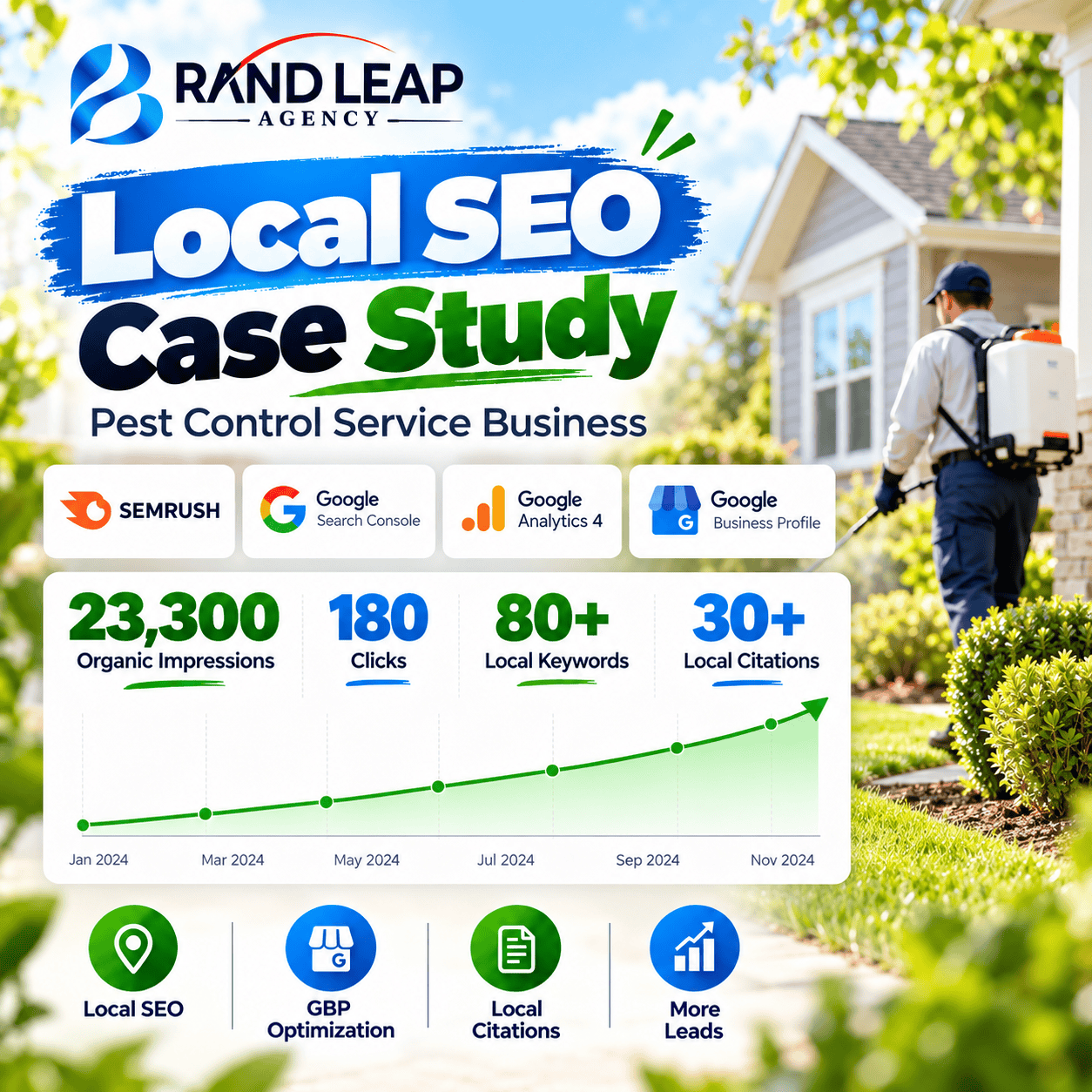
For local service businesses in Toronto, Vancouver, Calgary, or Montreal, local SEO is often one of the highest-ROI digital investments available. That means Google Business Profile optimization, local citation building, geo-targeted content, and proximity-based keyword strategy. Toronto and Vancouver are the most competitive local SEO markets in Canada, followed closely by Montreal and Calgary. A consultant specializing in local SEO should have a documented track record of moving businesses into the local pack for city-specific queries, not just ranking blog posts that don’t convert.
The proof you want here is specific: a client who went from no local pack presence to consistent top-three visibility for a key service query in a named city. Consider asking to see the actual reporting from that period or requesting a brief reference call with the client. Generic traffic graphs without a city or query context tell you very little.
When national reach or cross-border strategy changes the equation
Businesses targeting customers across multiple provinces, or operating in both the U.S. and Canadian markets, need a different architecture entirely. National campaigns require content clusters, domain strategy, and link building at a scale that city-focused work doesn’t demand. Cross-border campaigns add another layer: separate keyword research for each market, hreflang and site architecture for country targeting, and localized trust signals that build authority on both sides of the border.
For businesses that need coverage in both countries, working with an agency built for cross-border complexity is a requirement you shouldn’t skip. A solo freelance practitioner focused on local campaigns in one city is not the right fit for this scope. Brandleap Agency is one option structured around this kind of work, building campaigns that serve Canadian and U.S. audiences from a single coherent strategy rather than two disconnected ones, worth evaluating alongside other Canadian SEO agency options that specialize in multi-market campaigns.
Credentials and case studies that actually prove competence
Credentials alone don’t make someone a reliable SEO expert in Canada, but the right combination of certifications, verifiable outcomes, and third-party reviews signals a professional who can deliver real results.
Certifications worth verifying
Commonly referenced validation signals include Google Partner status, Google Analytics Individual Qualification, Semrush Academy, Moz Academy, and HubSpot certifications. These aren’t guarantees of quality, but they indicate a consultant who invests in staying current with a fast-moving field. For third-party reputation signals, Clutch profiles and verified Google reviews are your most useful resources because they include real client feedback on actual campaigns, not self-published success stories.
How to read a Canadian SEO case study properly
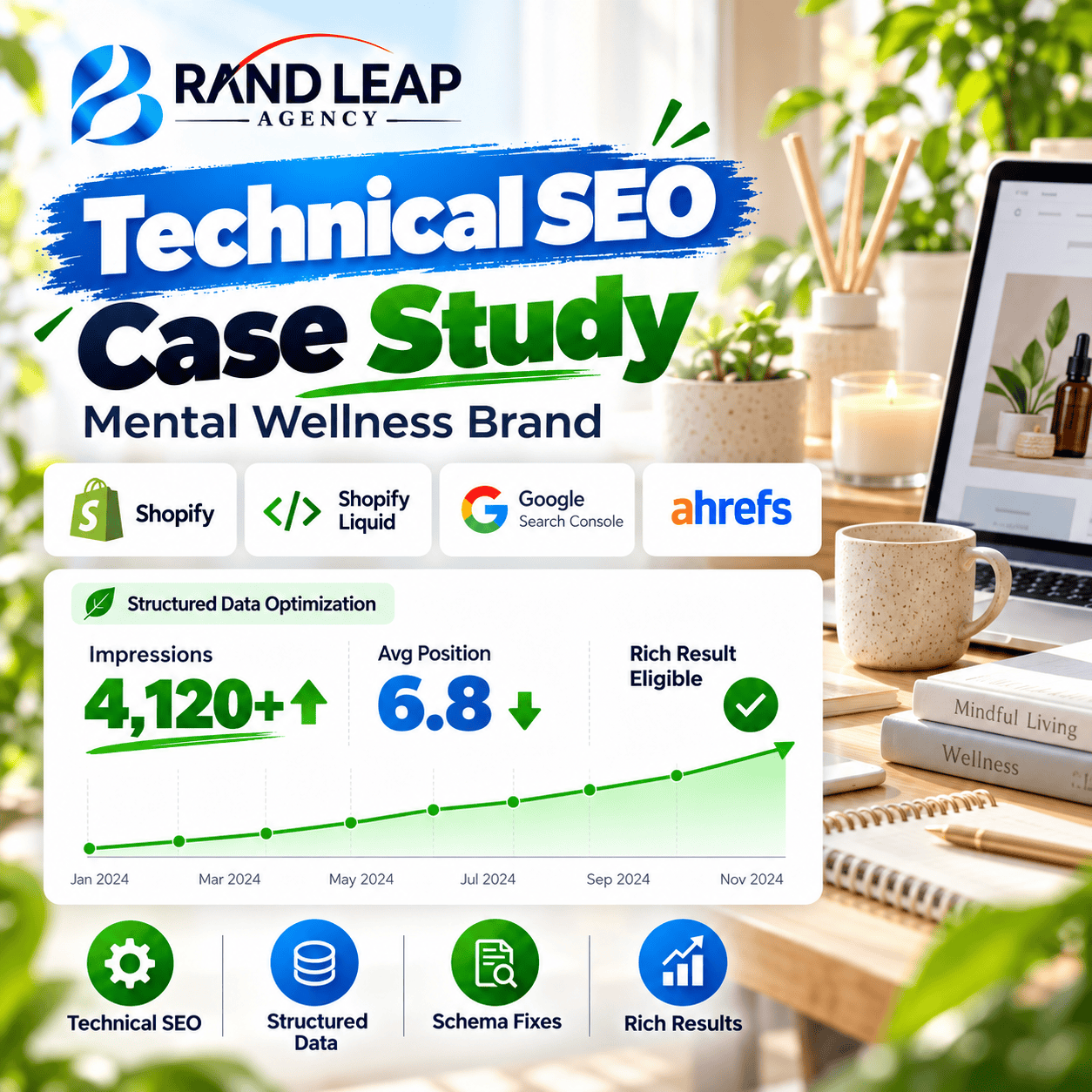
Strong case studies connect organic traffic growth to a business outcome, not just rankings. Look for specifics: a percentage increase in organic sessions, movement from a starting position to a named ranking, or a measurable lead and revenue impact tied to the campaign. Some established Canadian SEO firms publish results showing 300, 400%+ organic traffic gains tied to specific industries and timeframes, alongside conversion outcomes like inbound call increases or doubled online sales. Verify these numbers by asking for the client name or a reference contact, not just the PDF. A ranking improvement without a business result attached is worth significantly less.
Self-published case studies require extra scrutiny. Third-party verification through Clutch or a direct client reference adds credibility that a polished document on someone’s own website can’t. Ask for a client contact you can call; a confident consultant won’t hesitate to provide one.
Deliverables, timelines, and reporting: what to lock in upfront
A reliable SEO consultant in Canada hands you a clear scope of work before you pay anything. If a proposal is vague on what gets done and when, that ambiguity becomes your problem the moment something goes wrong.
Standard deliverables for a well-structured SMB campaign
A reputable engagement includes a technical audit, keyword research and competitor gap analysis, on-page optimization, content strategy and production, Google Business Profile work for local campaigns, link building, and monthly performance reporting. Each of these should appear explicitly in a proposal, not as a vague promise to “improve your SEO.” If a proposal doesn’t name deliverables, it’s not a proposal, it’s a placeholder.
Realistic timelines and what monthly reporting should include
SEO in Canada, like anywhere, takes 3, 12 months to show meaningful results. The first 1, 3 months cover foundation work: audits, technical fixes, keyword research, and initial on-page improvements. Ranking gains typically become visible between months 4, 6. Sustained organic traffic growth builds from month 7 onward. Any consultant who promises results in 30 days is a red flag, not a bonus.
Monthly reports should track organic traffic, keyword position changes, technical site health, and conversion or lead outcomes tied to organic search, not just impressions. A report that only shows impressions and clicks with no connection to business outcomes isn’t telling you whether the investment is working.
Rates and contract terms in the Canadian market
Understanding what a fair engagement costs and what a clean contract looks like protects you from overpriced retainers and agreements that leave you with no recourse.
Current pricing ranges for 2026
Based on current market data from sources including Clutch and Canadian agency pricing guides, freelance SEO practitioners in Canada typically charge CA$65, CA$100/hr at the entry level, with specialist consultants running CA$100, CA$150/hr and senior-level work reaching CA$150, CA$200/hr or more. Monthly retainers for small SEO agencies range from CA$1,500, CA$2,500/month for basic local campaigns and CA$2,500, CA$5,000/month for competitive SMB retainers. Anything significantly below these ranges warrants a close look at what’s actually included, because the gap is usually in deliverables, not efficiency.
What a clean contract looks like
A solid agreement includes a written scope of services with deliverables and timelines, a payment structure with invoicing frequency and late-payment terms, a minimum engagement period of at least 6 months, a clear termination clause with notice requirements, and an explicit no-guarantee clause on rankings and traffic. The contract should also specify who handles implementation: whether the consultant, the client’s developer, or a subcontractor executes technical changes. Ambiguity here is where engagements break down. Governing law and province of jurisdiction should also be stated clearly.
Red flags and interview questions that reveal real expertise
Knowing what disqualifies a candidate is as important as knowing what qualifies one. Some warning signs are obvious; others show up only in how a consultant talks about their process.
Warning signs that should end the conversation
The clearest red flags: any guarantee of a #1 ranking or a specific traffic number, a proposal that doesn’t specify deliverables or timelines, no termination clause or unexplained cancellation fees, and a consultant who can’t explain the difference between local and national Canadian SEO strategy. Apply the bilingual test as well: if you’re operating in Quebec or targeting French Canadians and bilingual SEO never comes up, that’s worth probing. Ask directly for relevant experience or examples, they’re not approaching your business as a distinct problem to solve.
Questions that reveal real expertise
Run every shortlisted candidate through these questions before you discuss pricing:
- How do you approach bilingual SEO for a client targeting both English and French Canadian markets?
- How do you handle Google.ca versus Google.com rankings for the same client?
- Walk me through a past SMB campaign from audit to measurable result.
- What happens if your technical recommendations aren’t implemented by the client’s developer?
- How do you report on ROI rather than just rankings and traffic?
A consultant who answers these questions with specifics understands the Canadian market. One who answers with generalities lifted from a playbook built for a different country does not.
Making a confident final decision
Hiring the right SEO consultant in Canada comes down to specificity, in their knowledge of the Canadian search environment, their case study proof, and the contract terms they’re willing to put in writing. The market has strong practitioners across every major city, and the vetting process covered here separates them from the generalists quickly.
If you’re evaluating options among the best SEO consultants in Canada for 2026, prioritize those with verifiable Canadian case studies, clear bilingual capability if Quebec is relevant to your business, and proposals that name deliverables rather than outcomes. For businesses running campaigns across both Canada and the U.S., the need for a partner with genuine cross-border experience becomes especially important. Brandleap Agency works with businesses navigating this complexity and is worth including in your shortlist alongside other qualified Canadian SEO agency options. Use this framework to evaluate two or three candidates, run them through the interview questions, compare their proposals against the contract standards covered here, and make your decision with confidence.