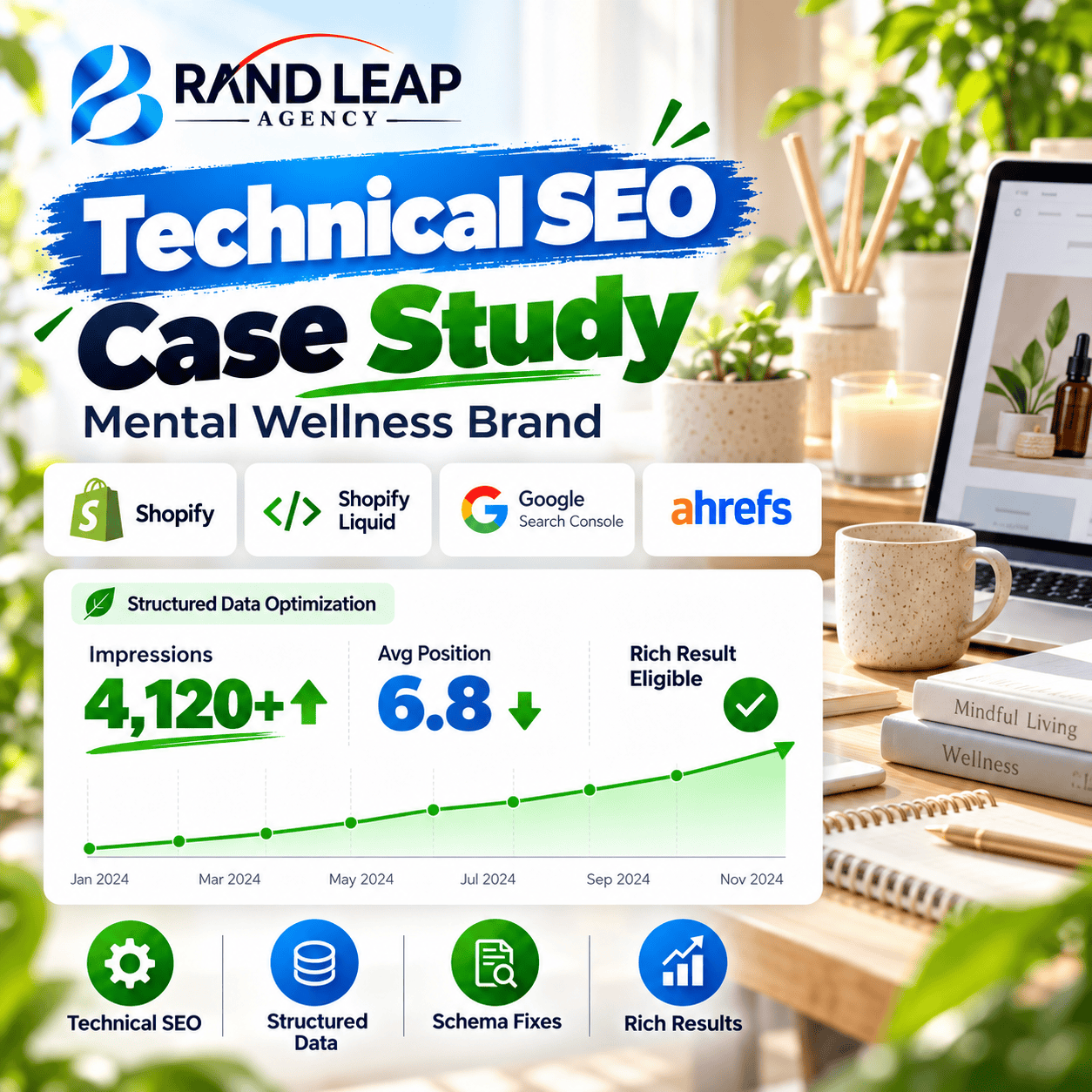

Vape and e-cigarette brands face a marketing problem that most other industries never have to solve. Paid channels are largely unavailable or heavily restricted, Google Ads, Meta and most programmatic networks restrict vaping promotion under ASA/CAP guidelines and platform policies, which leaves organic search as the single most important growth channel available to you. It has to carry the full weight of customer acquisition on its own. For brands in this position, working with a specialist vape SEO company isn’t optional; it’s the strategic foundation everything else depends on.
The implications of that constraint run deeper than most brands initially realise. You’re not supplementing a paid media strategy with some blog posts. You’re building the entire top of your funnel through search, which means compliance, content architecture, and technical execution all have to be correct simultaneously. Specialist agencies that understand ad-restricted industries approach this very differently from generalist firms that apply a standard SEO template to every client. The requirements here are genuinely different, and the stakes of getting them wrong are higher.
This guide covers what a compliant, effective vape SEO strategy actually looks like in the UK in 2026: which regulations shape every content decision, what technical problems are hiding on most vape stores, how to build authority when mainstream publishers won’t touch your niche, and what to look for when you’re shortlisting agencies.
Why paid restrictions make organic search your only real channel
Google Ads, Meta Ads, and most programmatic platforms either prohibit or impose severe restrictions on advertising for vaping and e-cigarette products. Unlike other product categories where organic search is a useful complement to paid media, vape brands have no reliable paid fallback. When a campaign underperforms or a keyword ranking drops, there’s no budget you can switch on to plug the gap.
Organic search now carries performance targets it was never designed to meet alone. Organic sessions, keyword rankings, and e-commerce conversion rates from search become your primary business KPIs rather than supporting metrics. UK vape brands that have invested properly in SEO report traffic growth ranging from +147% to over +2,600%, figures drawn from documented campaign outcomes across the sector that reflect both the scale of the opportunity and how badly most sites in this niche are currently optimised. The baseline neglect is widespread. For brands that do this properly, the upside is substantial.
Compliance: the foundation your entire strategy sits on
The Tobacco and Related Products Regulations 2016 (TRPR), derived from the EU Tobacco Products Directive, sets strict limits on how vape products can be marketed in the UK. The ASA and CAP codes go further, prohibiting online vape ads directed at under-18s, banning content with youth appeal, and restricting channels extensively. From 29 October 2026, age-of-sale restrictions extend to all nicotine vaping products under the announced legislative timetable. Every page title, meta description, product claim, and blog post your site publishes must be reviewed against these frameworks, including the ASA’s CAP Code and TRPR guidance, before it goes live.
On content specifically, the ASA’s position for 2026 is clear: nicotine-containing e-cigarettes that are not licensed medicines cannot be advertised in most online media, including paid search and display. What remains permitted is factual product information published on your own website, provided it stays informational rather than promotional. That line matters enormously for SEO because it dictates what your optimised pages can and cannot say. A keyword-led page that makes health claims, cessation claims, or superiority comparisons without substantiation isn’t just poor strategy, it’s a compliance risk.
A documented compliance review workflow, not a casual sign-off, is the standard a serious vape marketing agency should apply to every piece of content before publication. That workflow should, at minimum, check that content separates informational pages from promotional ones, avoids therapeutic benefit claims, and uses imagery that clearly features adults. Under ASA guidance, anyone appearing in a significant role in vape content must not be, or appear to be, under 25.
Age-gating without destroying your indexability
Age verification is a legal requirement, but standard age-gate implementations regularly block crawlers alongside users. The technically correct approach is a crawl-safe JavaScript age gate: the product and category content lives in the initial HTML response at a 200 OK status, and the gate is rendered as a client-side overlay that human users see based on their session state. Google can access the underlying content without hitting the gate, a principle consistent with Google Search Central’s guidance on JavaScript rendering. A vape SEO company that doesn’t understand this distinction will inadvertently deindex your most valuable pages in the process of trying to stay compliant. Alternatively, you can gate the transaction rather than discovery, requiring age verification at checkout or account creation while leaving product pages crawlable and indexable.
Keyword strategy and content that actually converts
Vape keyword research has to pass through a compliance filter as well as a volume filter. Some high-volume terms attract regulatory scrutiny because they imply health benefits, target youth culture, or reference restricted products. A skilled vape SEO specialist sorts keywords into safe-to-target, cautious, and avoid categories, then builds content clusters around the safe tiers. That mapping protects the brand while still capturing meaningful search volume from adults actively comparing products and researching their next purchase.
The most effective content architecture for vape and e-liquid brands runs from educational comparison content at the top of the funnel down to transactional category and product pages. Informational content covering device types, nicotine strengths, and TPD-compliant product specifications builds topical authority and draws in search traffic from consumers at the consideration stage. That authority feeds directly into better rankings on the commercial queries that drive purchases. Building only product pages and skipping the informational tier is one of the most common and costly mistakes vape e-commerce sites make. The brands ranking on competitive category terms have almost always earned that position through a depth of informational content that sits above it in the funnel.
Technical SEO: the issues hiding in most vape stores
Large vape catalogues covering devices, e-liquids, nicotine pouches, and accessories create real crawl efficiency and duplicate content risks if category and filter pages aren’t governed carefully. Faceted navigation is one of the highest-risk patterns in this niche: flavour, strength, and device variant filters generate near-duplicate URLs at scale, which dilute ranking signals and waste crawl budget on pages that will never rank. A clean hierarchy with logical category nesting, canonical tags, and controlled faceted navigation keeps that budget focused on pages that matter.
Product schema covering Product, Offer, AggregateRating, and FAQ gives search engines accurate price, availability, and review signals, improving click-through rates in results. Core Web Vitals performance on mobile is a confirmed ranking signal, and vape ecommerce sites tend to be image-heavy, which creates speed problems that suppress rankings directly. A technical audit for a vape brand should always include image optimisation, server response times, layout stability scores, and a full mobile UX review alongside the standard checks for broken links, redirect chains, and index coverage.
Geo-restrictions add a layer of technical complexity that generalist agencies typically overlook entirely. Flavour bans, shipping restrictions, and regional age-of-sale rules require geo-aware site architecture for brands operating across different UK regions or selling internationally. Restricted jurisdiction pages need to be handled so they don’t create indexation problems or confusing user journeys. This is a requirement unique to regulated product categories, and it rarely appears in a standard SEO audit template.
Link building when most publishers won’t accept your niche
The backlink strategies that work in most industries don’t scale for vape brands. The majority of mainstream publishers operate editorial policies that exclude vaping content, which means standard guest posting, news site digital PR, and infographic outreach simply won’t generate the link volume that a less restricted niche could achieve. Agencies that promise fast link acquisition without explaining exactly where those links come from, specifying actual publishers, trade outlets, or PR placements, should be questioned directly and persistently.
Effective link acquisition in this niche comes from a different playbook. FOI-led digital PR, where original Freedom of Information data becomes a public-interest story that journalists can justify covering, has worked for UK vape brands when conventional outreach was blocked. Regional data studies, ranking UK areas by retail density or consumer behaviour patterns, for instance, give local and trade media a non-promotional angle. Expert commentary on regulation changes, travel restrictions, or harm-reduction research ties the brand to legitimate public debate without leading with product promotion.
Digital PR centred on legitimate industry data or consumer research can break into broader media, but it takes longer than link farms and requires more planning. The authority it builds holds under algorithm updates and withstands link audits. Reputable e-cigarette SEO services will tell you clearly that editorial relevance and link quality matter far more than raw link count in ad-restricted categories. Niche-relevant publications, health-adjacent content, trade associations, and supplier cross-linking round out a link profile that can withstand scrutiny.
How to evaluate a vape SEO company in the UK
UK vape SEO agencies typically work on monthly retainers. Entry-level retainers run from around £500 to £800 per month and suit smaller shops with limited catalogue depth. Mid-range campaigns covering technical SEO, content production, and link building typically sit between £1,000 and £2,500 per month. Enterprise-level retainers for competitive national campaigns or multi-brand operations often exceed £2,500.
Price alone tells you very little; scope, deliverables, and compliance awareness tell you everything. Project-based audits and one-off migrations are priced separately from ongoing retainers, and it’s worth asking any prospective agency to break down exactly what each tier of spend covers in practice.
A credible vape SEO company should deliver a baseline audit, a 90-day prioritised roadmap, and a live reporting dashboard as standard onboarding outputs. The metrics that matter are organic sessions, keyword rankings, organic conversions, Search Console clicks and impressions, backlinks acquired, and technical health. When reviewing case studies, look for gains in organic revenue and conversion rate rather than raw traffic volume. Documented UK vape SEO campaign outcomes include +43% organic revenue, +67% online purchases, and +24% conversion rate improvement for a single client, alongside traffic growth of +147% to +2,638% across different campaigns, results that reflect the compounding effect of correctly executed vape digital marketing over a sustained period.
Questions that separate genuine vape SEO specialists from generalist agencies
These questions will expose whether a prospective vaping SEO agency truly understands the niche or is applying a generic framework to an unfamiliar category:
- How do you implement an age gate without blocking Googlebot from indexing product pages?
- Which specific ASA and CAP rules most affect content strategy for unlicensed nicotine vapes?
- Can you show a vape-specific case study with organic revenue or conversion data, not just traffic growth?
- Where exactly do you source backlinks for vape clients, and which publishers have you placed content with in this niche?
- How do you handle geo-restrictions and flavour ban pages from a technical and indexation standpoint?
Agencies that answer these with specifics understand the niche. Agencies that pivot to generic SEO talk, or that look surprised by the compliance questions, do not.
Building organic visibility that makes paid restrictions irrelevant
Vape and e-cigarette brands operate in one of the most constrained digital marketing environments in the UK. Paid channels are largely unavailable, compliance requirements shape every content decision, and link building demands niche expertise that most agencies don’t possess. The brands building sustainable organic traffic right now are treating SEO as a long-term asset: investing in compliant content architecture, clean technical foundations, and credible off-page authority through channels that actually accept their niche.
Realistic expectations for a well-executed campaign are modest traffic gains in the first three months as technical fixes and content begin indexing, meaningful uplift in the three-to-six-month range as category pages and informational content compound, and 50% to 150% or more in organic traffic growth by months six to twelve alongside early organic revenue contribution. Those are planning ranges, not guarantees, and they depend heavily on starting authority, catalogue depth, and how much of the site can be compliantly indexed.
When shortlisting agencies, prioritise demonstrated compliance knowledge over claimed expertise, transparent deliverables over vague promises, and case studies with measurable revenue or conversion outcomes over raw traffic numbers. Generic SEO firms will cost you time you can’t afford in a niche where paid media isn’t available to compensate for slow organic progress. Shortlist a vape SEO company, such as Brandleap Agency, that can demonstrate compliance expertise, niche link-building capability, and measurable revenue outcomes from previous campaigns in this category.