European search is not one market. It is dozens of markets operating simultaneously, each with its own language, user behaviour, privacy regulations, and country-specific Google domain signals. A business selecting an SEO service in Europe without understanding these layers risks paying for work that simply does not translate across borders. This is not a ranking of agencies. It is a practical framework for evaluating them, so you can request informed proposals, ask the right questions, and choose a partner with the actual capability to deliver results in your target markets.
The stakes are real. Research on failed international site migrations consistently shows that poor agency selection can set organic growth back by six months or more, time during which rivals continue compounding their authority in markets you have yet to establish a presence in. Use this guide before you sign anything.
What makes European SEO genuinely different
Most agencies claim to do international SEO. Few of them understand what that actually means in a European context. The European search landscape is fragmented across languages, cultures, and country-specific Google domains, and that fragmentation has direct consequences for rankings that a generic “international SEO” service cannot address. Finding the right SEO company in Europe means understanding precisely which of these layers a prospective partner can handle, and which they cannot.
How regional Google domains affect search visibility
Google.de, Google.fr, and Google.es each have distinct ranking signals. Country-code top-level domains, server location, and language signals all influence which results appear for users in those markets. A page optimised for the UK market will not automatically perform in Germany, even if the brand name is identical across regions. European SEO requires a clear understanding of how Google interprets localisation cues at both the technical and content level, and any agency you evaluate should be able to articulate this without prompting.
GDPR and its effect on SEO data collection
Privacy legislation in Europe directly limits how agencies can measure SEO performance. Consent-based tracking reduces analytics completeness, retargeting audiences shrink, and attribution becomes less precise for EU traffic. An experienced European SEO agency builds its reporting methodology around these constraints, using server-side data, aggregated signals, and GA4 with GDPR-compliant configurations. If an agency cannot explain how they handle consent-aware measurement, they may create compliance and measurement risks that compound over time, so ask for documented data-processing agreements, consent banner setups, and any cookieless or first-party measurement approaches they use.
Choosing an SEO service in Europe: core multilingual requirements
If an agency offers to translate your existing English content and call it multilingual SEO, that is your cue to walk away. Translation and localisation are not the same discipline. Effective multilingual SEO in these markets starts with market-specific keyword research, because search intent, phrasing, and competitive landscapes vary significantly across languages. This is not a minor detail. It is the foundation of whether localised pages rank at all.
Market-specific keyword research across languages
A German speaker searching for a product on Google.de uses different terminology, syntax, and compound word structures than a French speaker on Google.fr. Spanish for Spain differs meaningfully from Latin American Spanish, and both produce different search result pages. Keyword research must be conducted natively in each target language, not retrofitted from English data. Agencies that skip this step deliver localised pages that rank for nothing and convert even less.
Technical implementation: hreflang, URL structures, and metadata
Multilingual SEO lives or dies at the technical layer. Correct hreflang tag implementation tells Google which version of a page serves which language-region combination, using ISO 639-1 language codes paired with ISO 3166-1 country codes where regional targeting is required. Localised URL structures, localised metadata, and country-specific canonical tags are important prerequisites for local content to perform well; without them, content quality gains may be constrained regardless of how strong the writing is. Ask every agency you evaluate to walk you through their hreflang implementation process. The answer will tell you immediately whether they have genuine multilingual technical capability or whether they have simply added “multilingual SEO” to their services page.
Core services a capable European SEO agency must deliver
Beyond multilingual capability, there is a baseline set of deliverables that any serious SEO service in Europe should include. A vague scope of work is a warning sign. A well-structured proposal is detailed, measurable, and tied to your specific market targets rather than a generic list of activities.
Technical SEO audit and ongoing implementation
A thorough technical audit covers crawl and indexation health, Core Web Vitals, internal linking architecture, structured data, redirect chains, and server response codes. For European markets specifically, it should also include a review of hreflang implementation and URL structure decisions across all target languages. The audit deliverable should produce a prioritised recommendation list with clear implementation guidance, not just a raw crawl export that your team then has to interpret without context.
Link acquisition and digital PR across European markets
Off-page authority in European markets means earning links from relevant, geographically appropriate sources. A link from a German industry publication tends to carry greater relevance for Google.de rankings than a generic English-language directory listing, because local editorial context signals geographic and topical authority. A properly equipped agency builds relationships with local publishers, uses digital PR to earn editorial mentions, and conducts competitor backlink gap analysis at a market level. Before committing to any agency, ask to see examples of link placements in your target markets. This one request separates genuine European SEO expertise from repackaged domestic link-building.
Pricing for SEO services in Europe: what to expect for your budget
European SEO pricing varies widely by market, agency size, and scope, and understanding that variation matters, because the cheapest option rarely reflects the multilingual depth or technical rigour that cross-border campaigns require. Knowing the main models helps you evaluate proposals fairly rather than defaulting to whoever quotes the lowest monthly fee.
Monthly retainers are the standard model for ongoing SEO programmes, typically ranging from €1,000 to €10,000 or more per month depending on scope and market complexity. Project-based fees for site migrations, audits, or defined campaigns commonly run from €2,000 to €50,000 or more. Hourly consulting rates in Europe generally fall between €50 and €250 per hour. Country-level pricing shows meaningful variation: German-speaking markets typically see retainers between €1,500 and €15,000 per month for professional programmes, while Southern and Eastern European markets often sit at the lower end of the range. Multi-market programmes with multilingual content and active link acquisition across several countries sit firmly at the upper end regardless of geography. These ranges reflect aggregated industry survey data and should be treated as indicative benchmarks rather than fixed prices.
A strong proposal specifies deliverables for technical SEO, content localisation, and link acquisition separately, alongside a monthly performance report with defined KPIs, a real-time dashboard, a completed-work summary, and a strategy call to review results. If a proposal arrives as a single-page PDF with a price and vague promises about “ongoing optimisation,” that is not a proposal. It is a quote without accountability.
Seven red flags that signal the wrong agency
Knowing what poor practice looks like before you sign is as important as knowing what good looks like. These are the warning signs most likely to appear during your evaluation process.
- Guaranteed rankings within a fixed timeframe. No agency can guarantee Google positions. This signals either dishonesty or a willingness to use tactics that put your site at risk of a penalty.
- No multilingual capability or in-house native speakers. Outsourcing translation to generic tools is not multilingual SEO. It is a shortcut that produces pages that rank for nothing.
- Cookie-cutter monthly reports that show activity, not outcomes. Deliverable counts are not results. You need traffic data, ranking movement, and lead or revenue attribution.
- No mention of GDPR-compliant tracking. An agency unaware of EU privacy law will create compliance problems for your business, not just measurement gaps in your reporting.
- Link building limited to English-language sources. Local SEO in Europe requires local market relevance. A German backlink profile built from English directories provides negligible benefit for Google.de rankings.
- No verifiable case studies for European or multilingual campaigns. Ask specifically for examples with traffic or revenue growth data from comparable markets. Testimonials without data are not evidence.
- Inability to explain hreflang or ccTLD strategy. This is foundational to cross-border SEO. An agency that stumbles on this question is not equipped for multi-market European work.
How to evaluate an SEO service in Europe and shortlist providers
When shortlisting, focus on three interconnected criteria: verifiable evidence of results in comparable markets, a scope of work that matches your actual needs, and a team with the genuine technical and linguistic capability to execute across your target countries. Treat these not as a checklist but as a conversation framework, the way an agency responds to scrutiny on each point reveals as much as the answers themselves. Any provider that holds up well under that scrutiny is worth a serious conversation.
Questions to ask before signing any contract
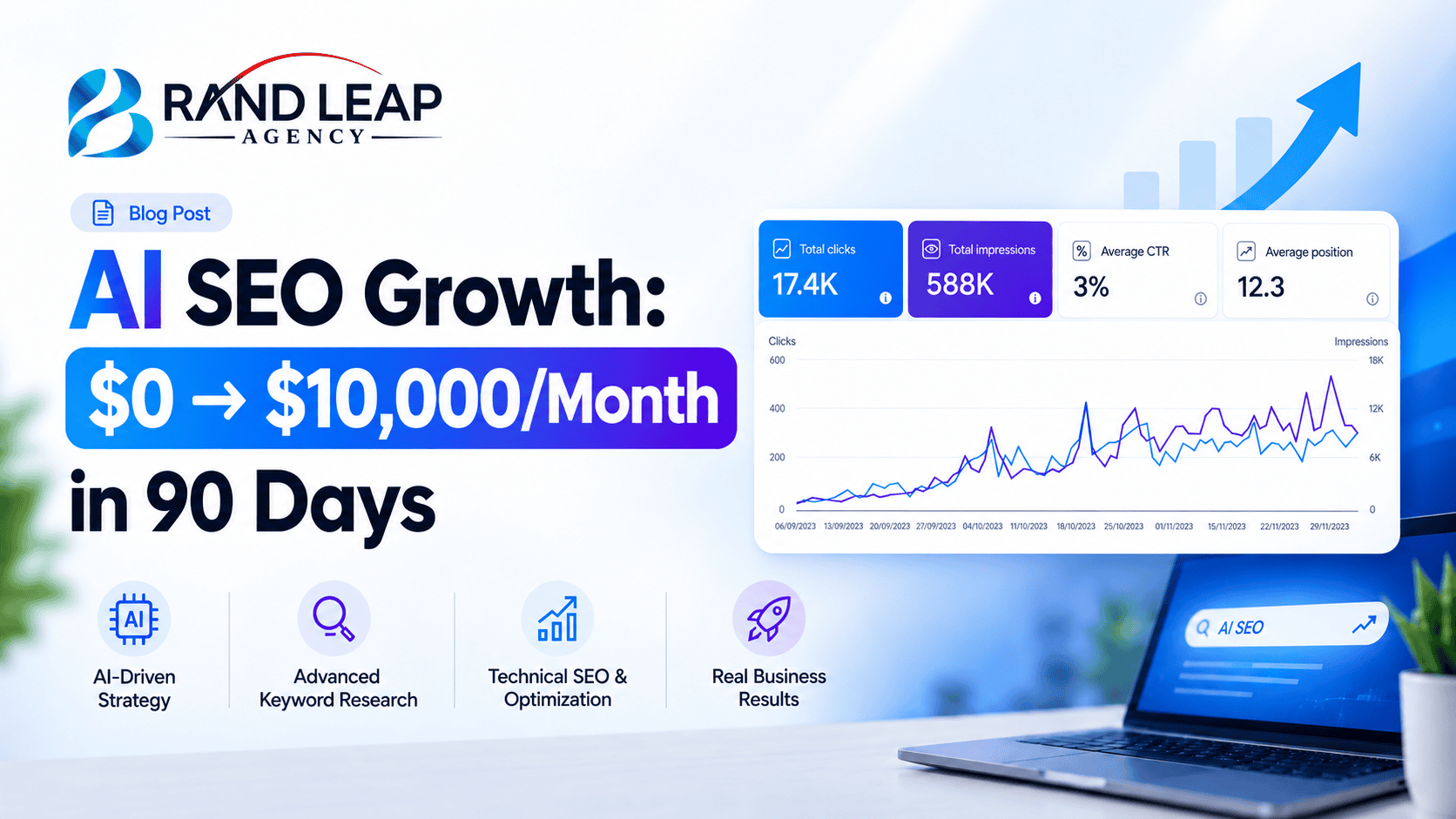
Ask every candidate agency how they conduct keyword research in each of your target languages, and how they handle hreflang at scale across multiple country-region combinations. Their GDPR-compliant analytics setup deserves equal attention, which tools do they use, and how do they account for consent-mode gaps in their reporting? Rather than accepting a polished case study document, request a real monthly report from a current client operating in a European market: look for Google Search Console impressions and clicks segmented by country, GA4 consent-aware traffic trends, and backlink placements by market. Agencies may redact client names for confidentiality, but the underlying data and structure should be visible. These questions separate agencies with genuine European SEO expertise from those that have added “international SEO” to their service page without the capability to back it up.
Why a globally operating agency can serve European clients well
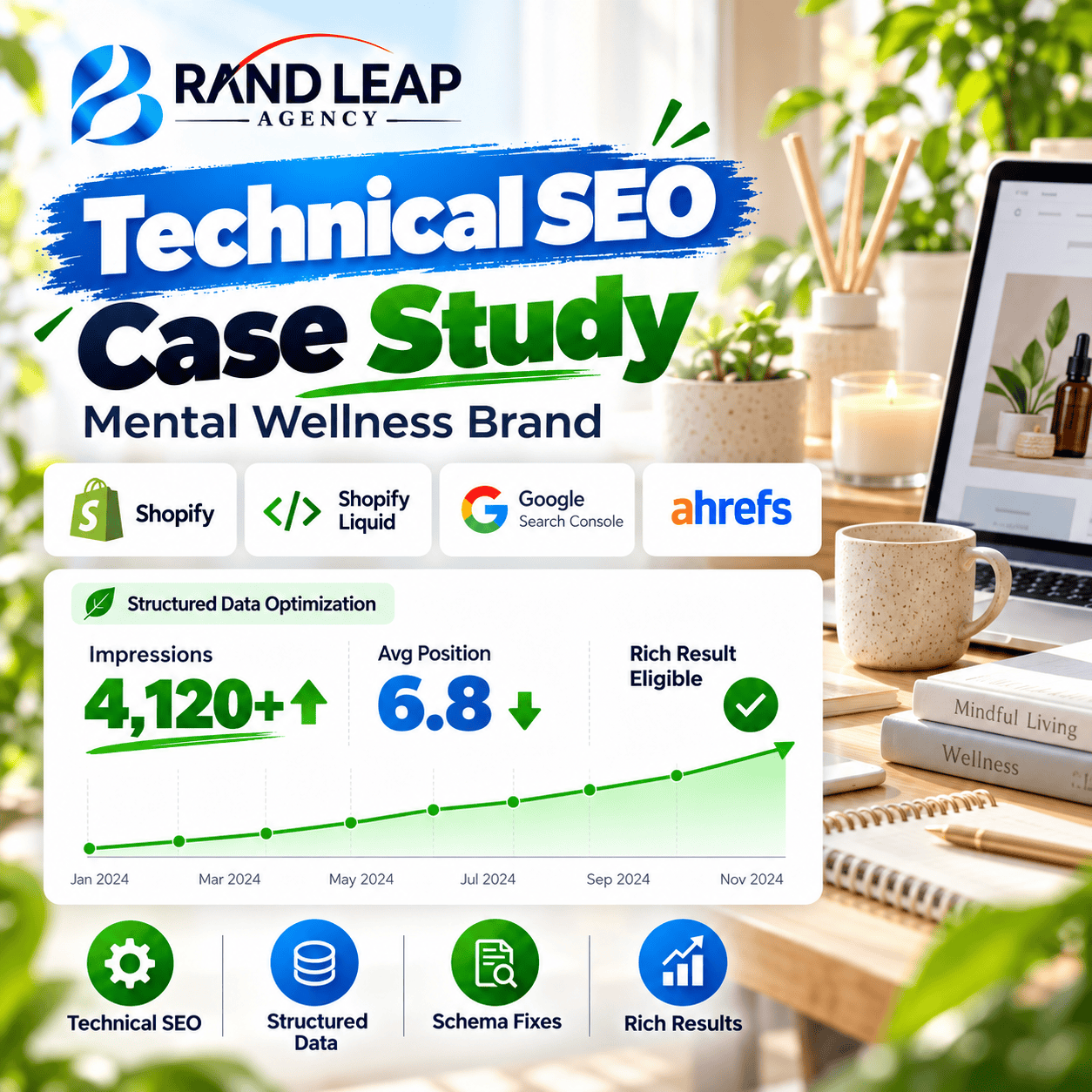
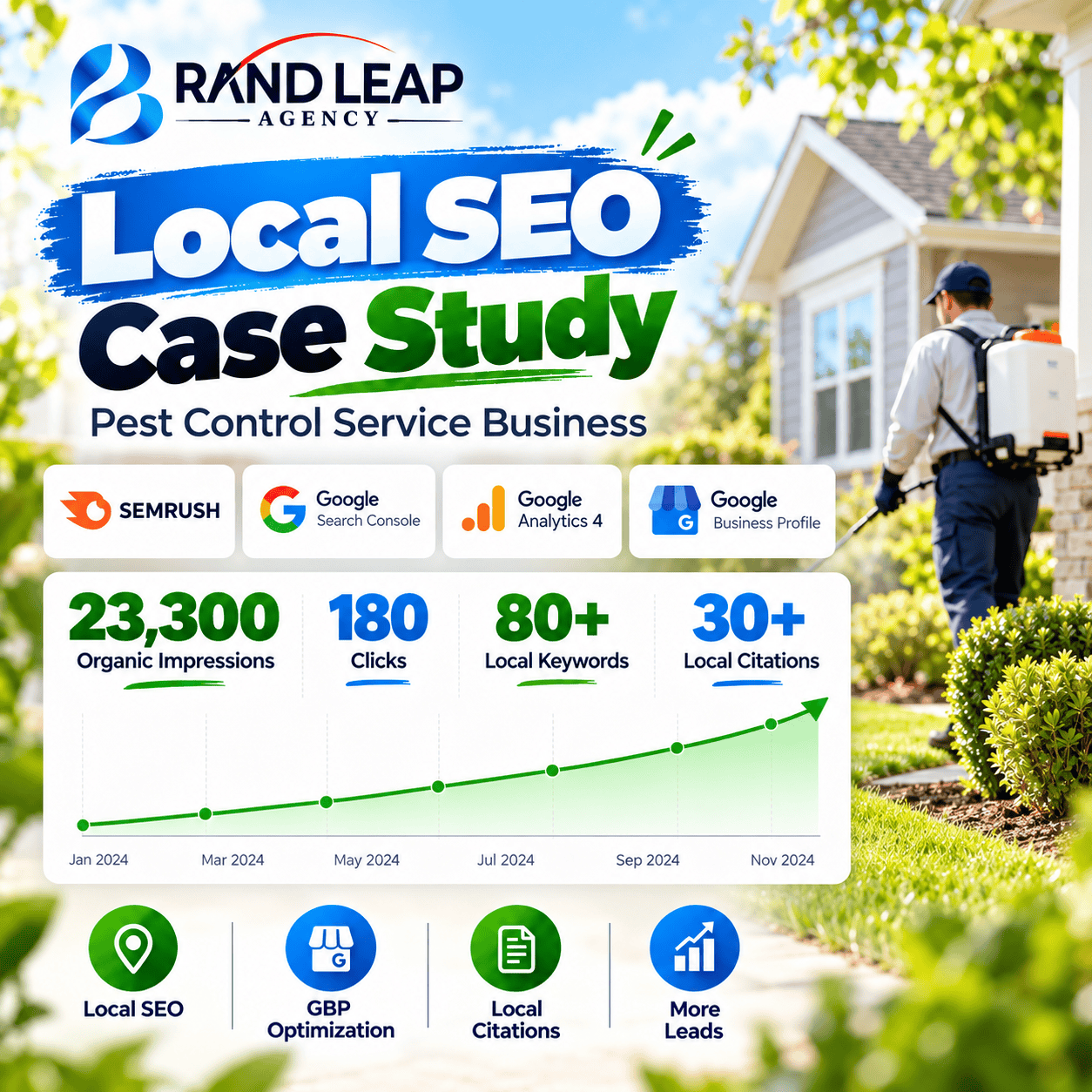
Some of the most effective SEO work for European markets comes from agencies that operate internationally and bring a consistent, data-driven methodology to each market, adapting it for local nuances rather than reinventing it from scratch. Brandleap Agency takes this approach: rather than treating each European market as an isolated project, the team applies structured systems for technical SEO, multilingual content strategy, and off-page authority building, then calibrates those systems to the specific requirements of each target market, whether that is Germany, France, or Spain. When evaluating any globally operating agency for European work, verify their local-language keyword research capability and ask for specific examples of hreflang implementation across multiple country variants. That combination of structured methodology and local execution is what separates agencies that can genuinely scale your European presence from those that simply claim to.
The right partner makes the difference
Choosing the right SEO service for European markets is not about finding the cheapest option or the agency with the longest client list. It is about finding a partner that understands how European search actually works: the regional nuances, the multilingual requirements, the technical standards, and the privacy constraints that shape every campaign across every target country. Whether you are exploring ecommerce SEO in Europe or building a content-led presence across several markets, the same evaluation principles apply.
Use the criteria in this guide to structure your conversations with prospective agencies. Ask for evidence, not promises. A provider that can answer your technical questions with confidence, show you real results from comparable markets, and produce a proposal with specific deliverables tied to your target countries is worth far more than one that pitches ambition without proof. If you want to discuss how a structured European SEO programme would look for your specific markets, the team at Brandleap Agency is ready to walk you through it.