Choosing among the top SEO services in the USA is harder than it looks. Tens of thousands of agencies operate across the country, yet many buyers end up with the wrong partner, not because strong agencies are rare, but because most businesses don’t know what separates a firm that builds lasting search equity from one that burns through retainer fees producing reports full of impressions data. The U.S. SEO market has matured considerably, and in 2026, the gap between elite providers and average ones has grown wider than ever.
The best SEO firms exist at every price point. Agencies like Brandleap Agency are demonstrating that enterprise-quality strategy, including semantic SEO, topical authority building, and international search capabilities, doesn’t require an enterprise-level budget. What matters is knowing exactly what to look for before you sign anything.
This guide covers what leading SEO services in the U.S. actually deliver, how they price their work, which specialization fits your business, and a clear framework for shortlisting the right partner for your goals.
What top SEO services USA businesses rely on actually deliver
The agencies consistently ranked at the top of Clutch and cited in verified case studies don’t just build links and write blog posts. They operate across four distinct pillars: technical site health, topical authority development, E-E-A-T signal building, and backlink profile growth. Agencies like WebFX and Coalition Technologies built their reputations on consistent delivery across all four, not one or two.
The core deliverables that actually drive rankings
Full-service SEO starts with a technical audit that surfaces crawl issues, Core Web Vitals failures, and indexation gaps that quietly suppress rankings. From there, elite agencies build content cluster architecture around your core topics, establishing the topical depth that Google’s current algorithm rewards heavily. E-E-A-T signal development, covering author credibility, site trust indicators, and entity optimization, runs alongside ongoing backlink acquisition from relevant, authoritative domains. These aren’t separate phases; they run concurrently and build on each other over time.
KPIs that signal a legitimate provider
The KPIs that leading U.S. agencies track in 2026 include organic traffic growth, keyword ranking movement specifically into positions 1 through 3, organic conversion rate, Core Web Vitals scores, and AI Overview visibility. That last metric is newer but increasingly important as AI-generated search results reshape how clicks are distributed. What separates credible agencies from weaker ones is whether they report on these business-outcome metrics or pad reports with raw impressions and total keyword counts, numbers that look impressive but rarely correlate with revenue.
Realistic timelines and when to expect results
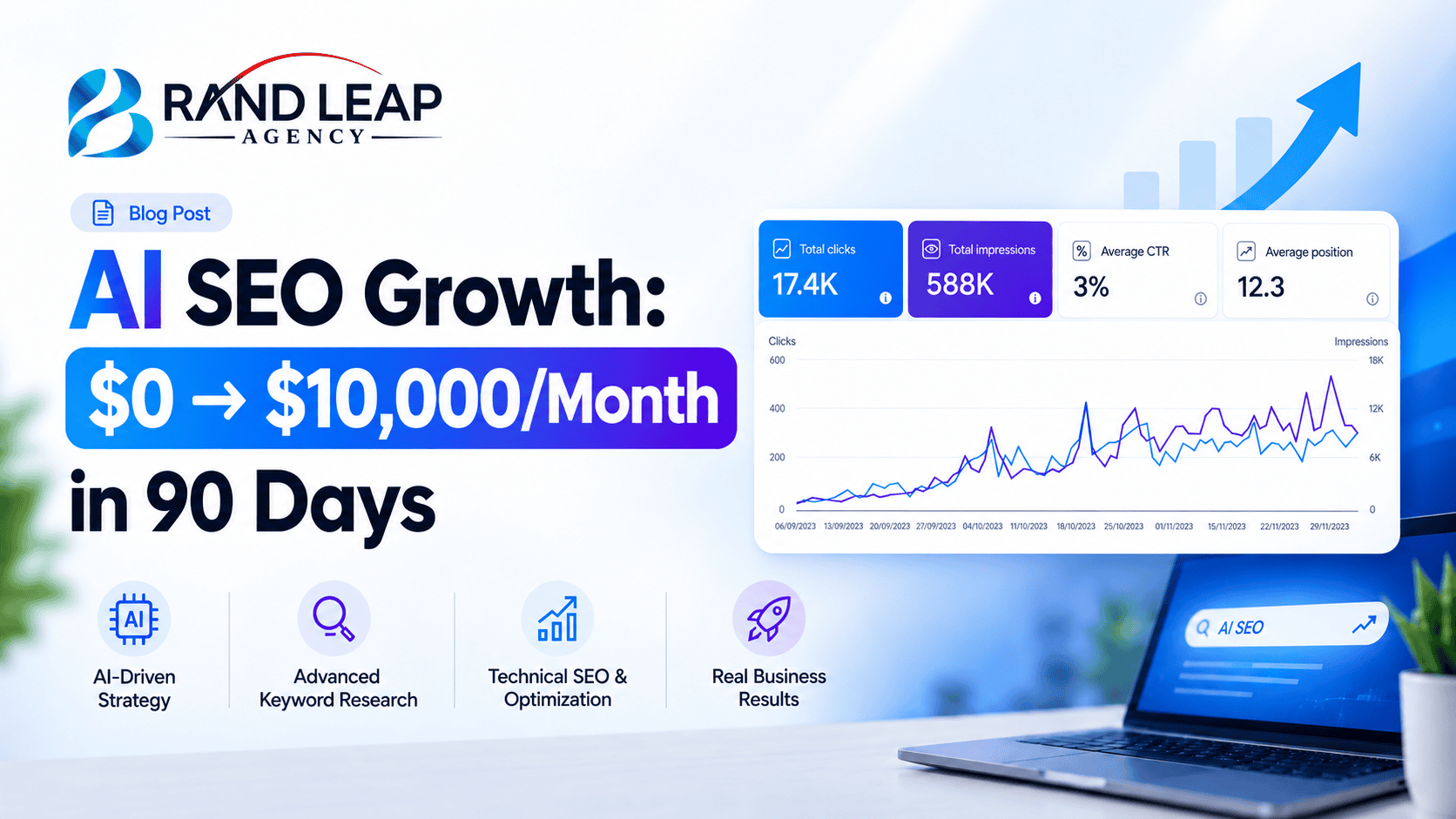
According to Ahrefs’ ranking timeline research and aggregated agency case study data, first measurable movement typically appears around month three, page-one rankings for target terms by month six, and sustained growth that stacks progressively from month twelve onward. The most dramatic results in verified case studies, ranging from 200% to over 8,000% organic traffic increases, come from campaigns where technical SEO, content strategy, and conversion optimization were integrated from the start. Revenue gains typically lag traffic improvements by three to six months, which means agencies that build conversion rate optimization into their scope from day one deliver faster ROI.
The four specializations: which type of SEO firm does your business actually need
Hiring a generalist agency when your situation calls for a specialist is an easy and costly mistake to make. The four main categories of SEO firms serve fundamentally different needs, and choosing the wrong lane wastes months and budget.
Local SEO services: for service businesses and multi-location brands
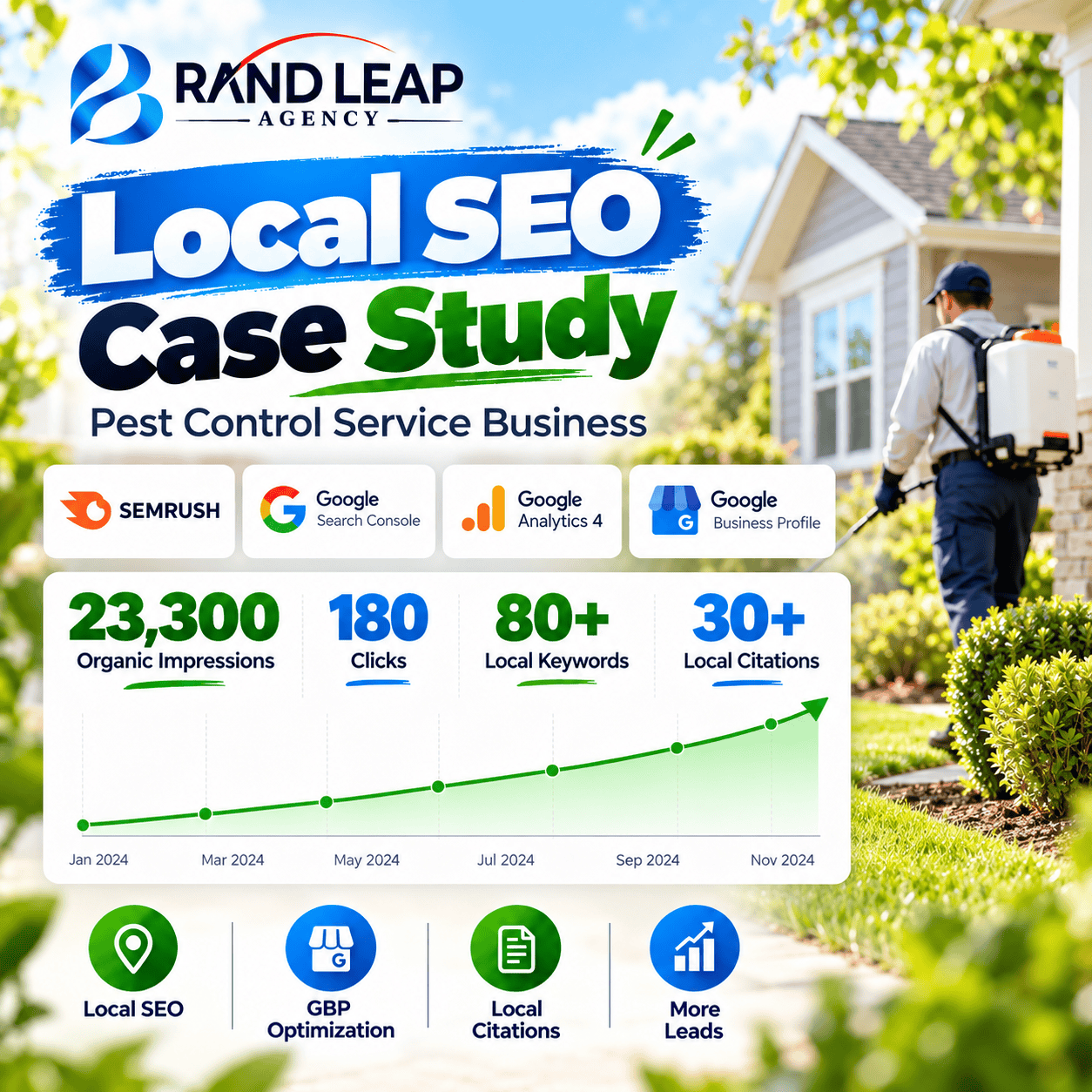
Contractors, dental practices, law firms, and franchise brands need local SEO specialists who understand Google Business Profile optimization, local pack dynamics, and citation management. The results these firms deliver are well-documented: Searchbloom produced a 2,500% increase in local top-three keyword rankings for one client, and BrightLocal’s managed SEO service generated a 124% average increase in organic revenue across its client base. These outcomes are only achievable when the agency’s entire methodology is built around local search, not adapted from a national SEO playbook.
E-commerce and enterprise SEO: higher budgets, higher ceilings
Enterprise-level SEO is a different discipline entirely. It requires dedicated account teams, programmatic content strategies that scale across thousands of product or service pages, international SEO capabilities, and deep expertise in site migration to prevent traffic loss during platform transitions. Coalition Technologies, with 780+ documented client case studies, and WebFX with 644 verified Clutch reviews, represent the benchmark at this tier. Enterprise campaigns typically start at $10,000 per month and scale from there depending on competitive intensity and campaign scope.
Technical SEO: when infrastructure is the bottleneck
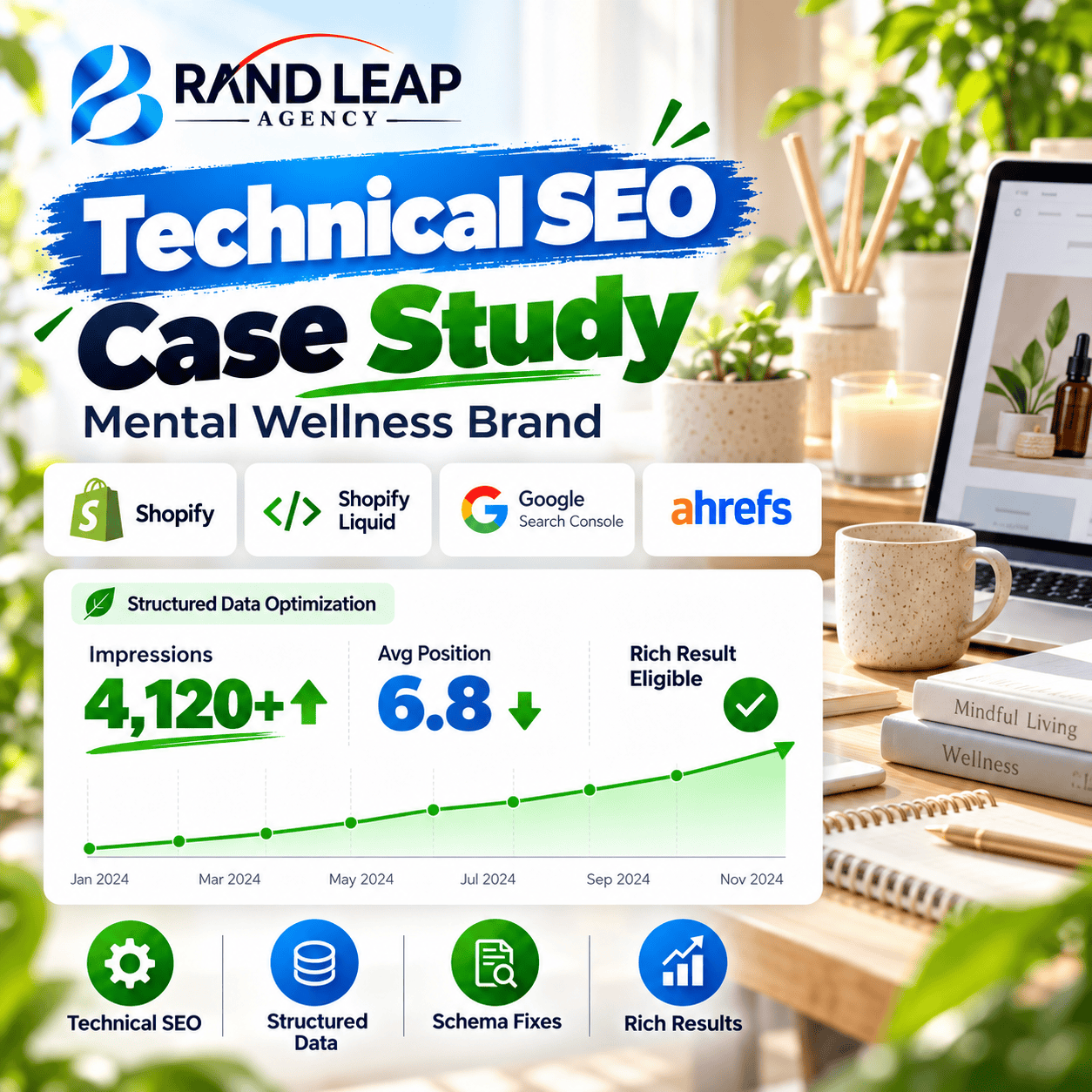
Some sites have solid content and decent backlinks but still can’t rank because the technical foundation is broken. Crawl budget waste, duplicate content issues, slow Core Web Vitals, and poor site architecture create ceilings that no amount of link building can break through. Technical-first agencies conduct deep crawl audits, restructure site architecture, implement schema markup, and fix the infrastructure problems that suppress visibility. Victorious and Searchbloom both have documented outcomes showing 50%+ organic traffic increases tied directly to technical interventions, underscoring how often infrastructure is the actual bottleneck.
How top SEO services USA agencies price their work in 2026
Pricing transparency is rare in the SEO industry, which is exactly why buyers get taken advantage of. One common misconception is that higher monthly fees automatically signal better strategy, that’s not supported by what the market actually delivers. Here are the benchmarks, broken down by engagement type.
Monthly retainer ranges by business size
Startups and single-location small businesses typically spend $500 to $2,500 per month on SEO retainers. Small businesses with regional ambitions or competitive niches pay $1,500 to $5,000 per month, with local service businesses often landing in the $2,000 to $4,000 range. Mid-market companies with broader campaigns spend $5,000 to $15,000 per month, and enterprise organizations in high-competition verticals like legal, SaaS, and financial services frequently invest $10,000 to $50,000 or more monthly. Industry pricing data suggests the majority of U.S. businesses fall somewhere in the $500 to $5,000 range. It’s also worth noting that some boutique agencies charging $2,500 to $7,500 per month can match the performance of mid-size firms charging twice as much, vet them with case studies before assuming bigger means better.
Project fees and what they cover
One-time project engagements make sense when you need a diagnostic before committing to ongoing spend. A standalone technical SEO audit runs $1,000 to $10,000 depending on site size and complexity, while a content strategy buildout costs around $5,000. Complex site migrations, which carry significant risk if handled poorly, typically start at $8,000. For businesses unsure whether they need a full retainer or just need to fix a specific problem, a project-based engagement first is a smarter way to evaluate an agency’s actual capabilities before signing a longer commitment.
How to separate elite SEO firms from average providers
Every SEO agency will tell you they deliver results. The ones that actually do will be able to prove it in specific, verifiable ways. Your job during a sales process is to surface that proof or expose its absence.
Using third-party directories to verify credibility
Clutch is the most rigorous third-party verification source in the industry and should be your first stop. Its “Ability to Deliver” score allocates 20 of 40 possible points to reviews, which are generated through mandatory phone interviews with actual clients, not email submissions or anonymous star ratings. Reviews are weighted by project size and recency, with the two-year window carrying the heaviest influence. DesignRush collects reviews through email invitations and produces shorter, less detailed testimonials. SEMrush’s partner directory ranks agencies primarily by certification tier and platform data rather than verified client outcomes. When evaluating any agency, prioritize Clutch profiles with a substantial number of verified reviews and case studies published in 2024 through 2026, the more recent and detailed the documentation, the more reliable the signal.
Red flags and proof points to request before signing
Any agency worth hiring should be able to show you actual case studies with traffic screenshots and revenue attribution, not just percentage claims in a slide deck. Ask whether they can arrange read-only Google Analytics access to a current or past client’s account, with that client’s permission. Get clarity on exactly who will work on your account and what their specific background is, not just the credentials of the agency’s founders.
Guaranteed ranking promises should end the conversation immediately, no legitimate agency can make them. Watch for vague reporting structures that don’t specify which KPIs will be tracked, and avoid contracts with no performance benchmarks built in. Guaranteed rankings is the most disqualifying red flag of the three; the others signal weak accountability but the first signals outright dishonesty.
Why Brandleap Agency deserves a spot on your shortlist
Most agencies at small-business price points deliver basic link building and keyword targeting. They treat SEO as a checklist rather than a strategic asset that accumulates value over time. Brandleap Agency operates differently, applying semantic SEO principles and topical authority frameworks to client engagements that fit small and mid-size business budgets.
Enterprise-level strategy at small-business-friendly pricing
Brandleap’s core differentiator is its approach to content architecture. Rather than publishing isolated blog posts, Brandleap builds content cluster systems where pillar pages, supporting content, and internal linking work together to signal deep topical authority to Google. This methodology, typically associated with larger enterprise campaigns, stacks results over time and is designed to deliver stronger ROI per dollar spent than basic link building or keyword-first content production. The agency also integrates E-E-A-T signal building from the start, which is increasingly critical as Google’s quality signals tighten.
Who Brandleap serves best
The ideal Brandleap client is a U.S.-based small business, local service business, or e-commerce brand that wants a strategy-first SEO partner without paying agency holding company rates. Brandleap also serves boutique marketing agencies that need a white-label SEO partner to expand their service offerings without hiring full-time SEO specialists in-house. For U.S. businesses expanding into global markets, or foreign brands targeting U.S. audiences, Brandleap’s international SEO capabilities, including hreflang implementation and multi-country content architecture, extend its value well beyond domestic campaigns. This isn’t a generalist shop running templated campaigns; it’s a consultancy that builds search strategy to match specific growth stages.
Your shortlist framework: five questions to ask before you sign
Sales calls are easy to pass when answers stay vague. These five questions force specificity and surface whether an agency has the capability and transparency to be a real partner.
The five questions that reveal everything about an agency
- Can you show me a live Google Analytics view of a current client’s organic performance? An agency confident in its results will have no issue arranging this with a willing client reference.
- Who specifically will work on my account, and what is their background? The people managing your campaign matter more than the agency’s brand name. Get names and credentials.
- What does your reporting cadence look like, and which KPIs do you guarantee visibility into? Look for organic traffic, keyword position movement, conversion attribution, and Core Web Vitals at minimum.
- Have you worked with businesses in my industry or at my revenue stage? SEO strategy is not universal. Experience in your specific vertical or growth stage dramatically changes execution quality.
- What’s your process when results plateau after month six? Every campaign hits inflection points. An agency with a real methodology will describe a specific diagnostic and pivot process, not a vague reassurance.
Building your shortlist from what you’ve learned
Start by identifying which specialization your business actually needs: local, e-commerce, enterprise, or technical. Set a realistic budget using the pricing benchmarks in this guide, and consider verifying three or more agencies on Clutch before getting on any sales call. The strongest SEO providers in the U.S. market exist at every price point, but the agencies that consistently deliver tie their strategy to measurable business outcomes from day one rather than promising rankings and hoping the revenue follows. If you want advanced SEO strategy without overpaying for a large agency’s overhead, reach out to Brandleap Agency as your first conversation.
The bottom line on hiring the right SEO partner
The right agency for your business isn’t necessarily the one with the most Clutch reviews or the biggest client logo reel. It’s the one that understands your specific growth stage, communicates with transparency, and has documented results in your category.
Use the framework from this guide as your filter: identify your SEO type, benchmark realistic pricing for your size and market, verify through Clutch’s phone-interview-backed reviews, and run every finalist through the five questions before you commit. That process will sharply narrow the field and help you avoid agencies that would have consumed your budget without moving the needle.
Use this guide to shortlist the top SEO services USA that match your budget and growth stage. If you want enterprise-caliber semantic SEO strategy at a price point built for growing businesses, Brandleap Agency is a strong place to start. The difference between what most budget agencies deliver and what a strategy-first partner builds is significant, and that advantage stacks in your favor every month you’re working with the right team.