Most businesses that pay for an on page SEO service can’t tell you what was actually changed on their pages. They get a monthly invoice, a rankings screenshot, and a vague summary about “optimization work completed.” That gap between payment and proof is exactly where budgets get burned. On-page SEO, when delivered properly, is one of the most concrete and measurable forms of digital marketing available, trackable through CTR, organic sessions, average position, impressions, and lead conversions. Every change is documentable, and every dollar spent should connect to a specific action taken on a specific page.
The problem isn’t the service itself. It’s that too many providers hide behind broad language instead of scoped deliverables. By the time you finish this article, you’ll know what a legitimate on-page SEO service actually includes, what you should pay in 2026, what realistic results look like, and which questions separate strong providers from weak ones. Brandleap Agency builds deliverable-first scopes precisely to close that transparency gap, and that structure is a useful benchmark for evaluating any provider you’re considering.
What on-page SEO services actually cover
On-page SEO is the process of optimizing the content and HTML elements on individual pages so they rank better in search results and perform better once a user lands on them. It’s distinct from link building, which focuses on external signals pointing to your site, and from technical SEO, which addresses infrastructure and crawlability. In practice, all three disciplines work together, but knowing where each one starts and stops helps you hold providers accountable for what they’re actually delivering.
On-page vs. technical SEO: where the line is
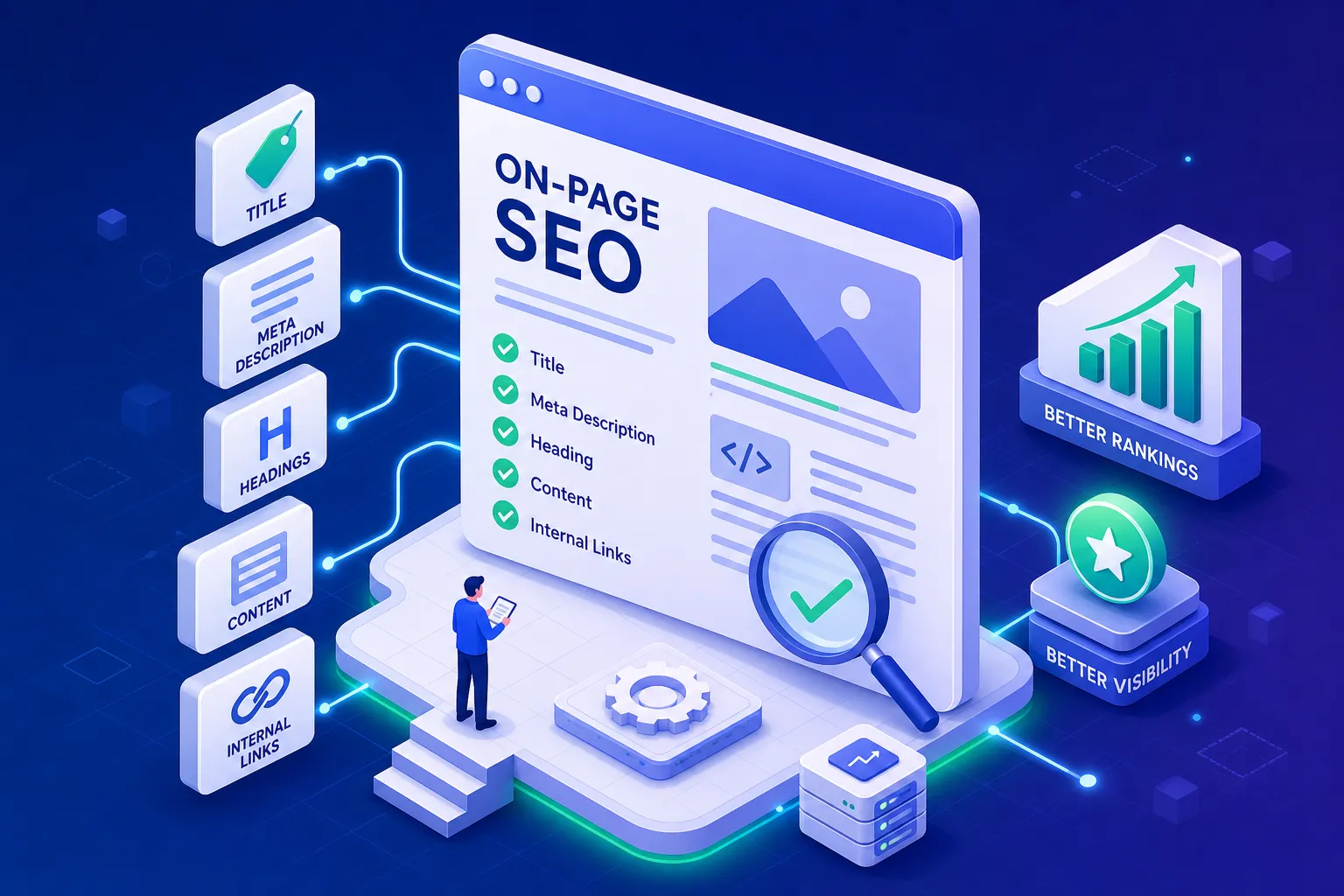
On-page work touches what’s on the page itself: the content, title tags, meta descriptions, heading hierarchy, internal links, image alt text, and structured data. Technical SEO touches the server, crawl budget, site speed infrastructure, indexing signals, and rendering behavior. A useful shorthand: on-page SEO tells search engines what the page is about, and technical SEO ensures those search engines can access and process the page correctly.
Some agencies bundle technical fixes into on-page proposals or invoice for both without clearly delineating scope. If you can’t see exactly what’s being done and to which layer of your site, that ambiguity is working against you. Before any work begins, ask for a scoped deliverable list that separates on-page actions from technical ones.
Which businesses benefit most from this type of optimization
Established websites that have never been formally optimized see some of the fastest gains from on-site SEO service work. Their pages often carry accumulated authority but rank below their potential because the content, metadata, and structure haven’t been aligned to how Google currently reads intent. Similarly, sites experiencing declining rankings, new service or product pages targeting competitive terms, and e-commerce pages with strong impressions but weak click-through rates all represent high-ROI scenarios for page-level optimization.
On-page SEO service deliverables: what every professional package should include
A professional on-page SEO service should come with a clear scope of work, not a promise to “optimize your pages.” Before signing anything, you should be able to see exactly which elements will be touched, on which pages, and how results will be documented. If a provider can’t give you that upfront, the vagueness is a warning sign.
Metadata, headings, and content optimization
Title tag rewrites are one of the highest-impact deliverables in any page optimization package. A well-structured title tag, aligned to both search intent and CTR best practices, directly affects how often users click your result in search. Meta description optimization, H1 cleanup, and heading hierarchy improvements from H2 through H4 determine how search engines parse the structure of your page and how users scan it after clicking through.
Content optimization goes deeper than adding keywords. A strong provider will evaluate whether the page’s depth and structure genuinely answer the query it targets, then rewrite or expand accordingly. URL slug cleanup, when slugs are cluttered or misaligned with page intent, rounds out this layer. Each of these elements directly affects how Google reads the page and how users decide whether to stay.
Internal linking, schema markup, and image optimization
Internal linking is a high-impact deliverable that dedicated on-page SEO work should always include. When executed with a clear topical map, it’s the most cost-effective on-page lever on sites with existing content depth, distributing page authority, reinforcing topical relevance, and helping search engines understand how your content is related.
Schema markup adds structured data signals that search engines use to surface rich results, including FAQ entries, how-to steps, article bylines, and breadcrumb trails. Image optimization covers alt text accuracy, file naming conventions, and compression. Providers who skip these elements are leaving measurable performance on the table. Any thorough website on-page optimization engagement treats all three as standard inclusions, not optional add-ons.
On-page SEO service audit and reporting
A professional on-page SEO service should begin with a page-level audit and close with documented before-and-after reporting. The opening audit identifies keyword-to-URL mapping gaps, cannibalization issues, duplicate content, intent mismatches, and structural problems that would undercut any optimization work done without addressing them first. Skipping the audit means optimizing pages based on assumptions instead of data.
The final report should show exactly what changed, why each change was made, and what measurable shift followed. A traffic dashboard screenshot is not a report. Documented change logs, before-and-after position comparisons, and CTR movement tied to specific page edits are what accountability looks like in a legitimate engagement.
Realistic results and timelines to expect
Real results from page optimization are measurable, but they follow a predictable cadence that’s worth understanding before you evaluate any provider’s work. Expecting week-one ranking jumps sets you up to misread legitimate progress and make poor decisions about whether a campaign is working.
KPIs to track after on-page optimization
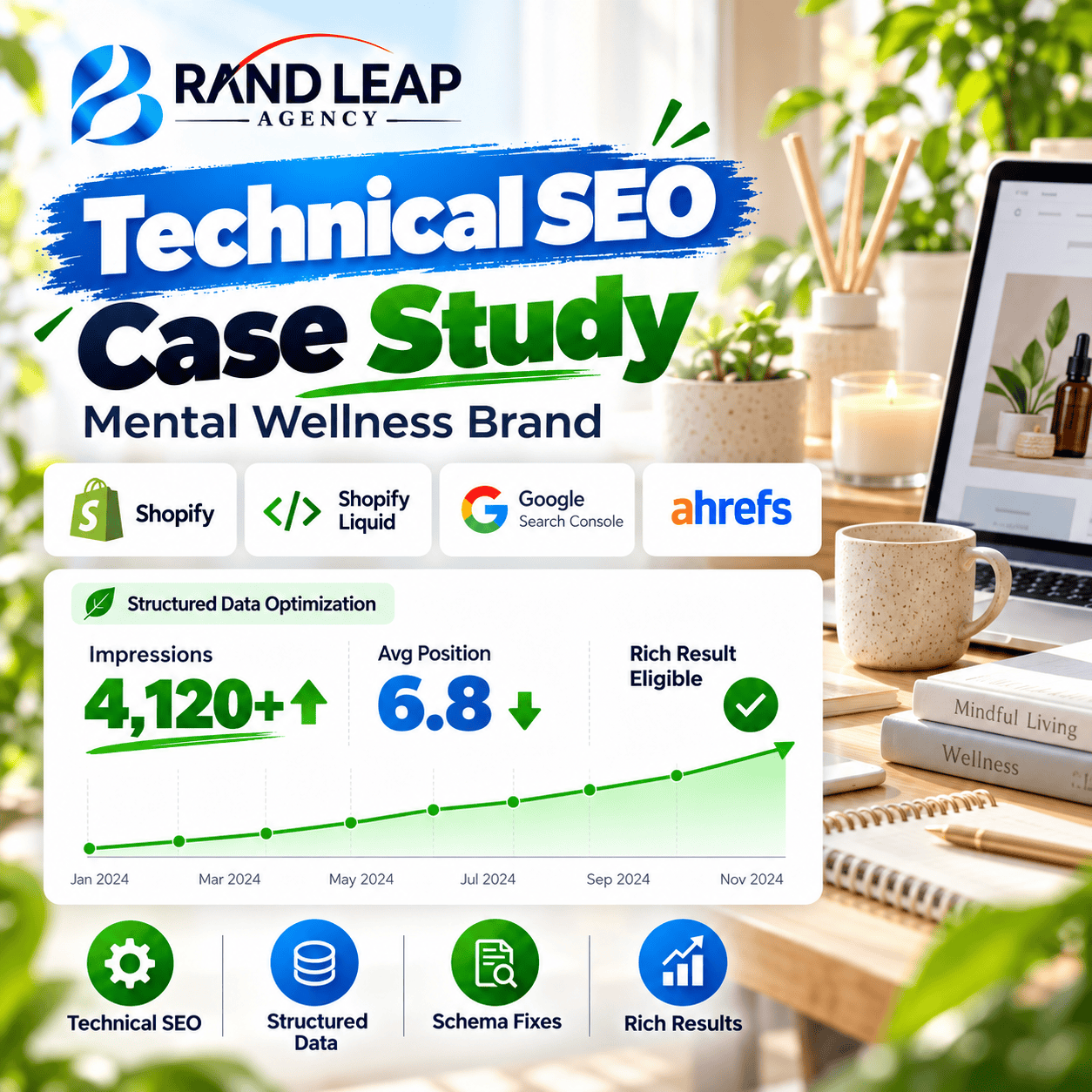
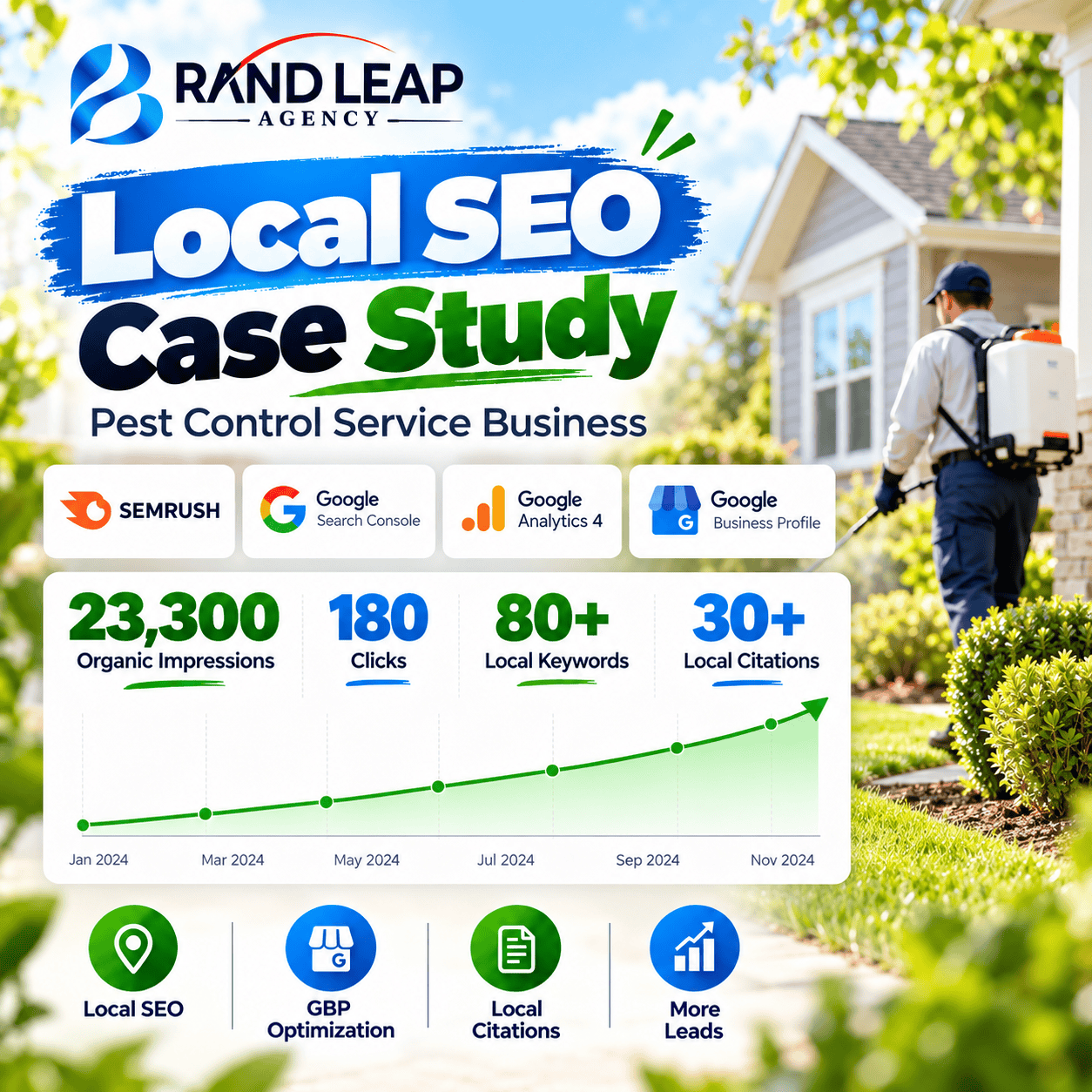
The primary metrics that matter after on-page work are average position, organic CTR, impressions, organic sessions, top-10 keyword count, and conversions or lead submissions. In documented client campaigns, the benchmarks are meaningful: CTR improvements of 21% or more after metadata rewrites across 50-plus pages, organic traffic growing from 4,000 to 16,500 monthly visitors after comprehensive content and structure work, and lead form submissions increasing between 40% and 75%. These are realistic benchmarks, not guarantees, but they give you a legitimate basis for evaluating progress.
Engagement metrics like bounce rate, time on page, and pages per session also matter, especially when content has been rewritten to better match search intent. Core Web Vitals and indexation health round out a complete on-page reporting dashboard. Any provider who only shows you keyword rankings is giving you a fraction of the picture, a complete on-page SEO audit service tracks far more than position movement alone.
How long before pages start to move
Metadata and heading fixes can surface in Google Search Console within two to four weeks once Googlebot recrawls the updated pages. Pages already ranking between positions 11 and 30 often respond fastest, because the changes push them across a threshold rather than building visibility from scratch. Content rewrites and schema additions typically show ranking movement within four to twelve weeks, depending on domain crawl frequency, site authority, and keyword competition.
Larger content overhauls and pages on lower-authority domains generally take two to three months to reflect meaningful change. For highly competitive keywords or sites with thin authority, six months or longer is a realistic horizon. Setting accurate expectations at the start prevents premature cancellations and helps both sides evaluate whether a campaign is on track or genuinely stalling.
On-page SEO service pricing in 2026
Before any sales conversation, you need a market baseline. Without it, you can’t evaluate whether a proposal is competitive, underscoped, or inflated. Pricing in 2026 varies based on deliverable depth, page volume, and whether implementation or only recommendations are included, here’s how the most common engagement structures break down.
Per-page pricing vs. monthly packages
Standalone per-page optimization typically runs $100 to $500 per page, depending on content depth, the amount of rewriting required, and whether schema and internal linking are included. This model makes sense for audits, pilot campaigns, or targeted work on a defined set of high-priority pages before committing to an ongoing retainer.
Monthly packages focused on on-page work run $300 to $2,000 per month for narrowly scoped engagements. When on-page optimization is bundled into a broader SEO retainer that includes content creation, off-page work, and reporting, monthly investment typically falls between $1,500 and $5,000 for small to midsize businesses, with mid-market and enterprise campaigns scaling higher from there.
What different budgets realistically get you
At the lower end of the range, expect basic metadata updates, alt text corrections, and a recommendations document outlining what should be changed. Mid-tier packages deliver actual implementation: content rewrites, internal linking execution, schema deployment, and monthly performance reporting. Higher-end retainers bring full-service execution, ongoing keyword strategy, competitive gap analysis, and iteration based on what the data shows month over month.
The mistake most buyers make is defaulting to the cheapest option without mapping it to their actual scope needs. A $300/month package won’t rewrite page content, implement schema, or produce documented reporting. Know what your situation requires before comparing onpage SEO pricing across providers.
How to vet an on-page SEO provider before you hire
The right questions in a provider evaluation reveal process, judgment, and proof far faster than any proposal document can. Whether you’re evaluating a large agency, a boutique on-page SEO consultant, or an on-page SEO agency of any size, the criteria for a legitimate engagement don’t change.
The questions that reveal process and proof
Start with the fundamentals: What specific elements do you optimize on each page, and can you walk me through your process from audit to publish? Listen for titles, meta descriptions, headings, content depth, internal links, alt text, structured data, and QA before launch. A provider who can’t describe this concisely doesn’t have a repeatable process, and that’s a problem regardless of what their portfolio says.
Push further with questions about intent matching: How do you optimize for search intent rather than just keywords? How do you decide what to prioritize in the first 30 to 45 days? Can you show before-and-after examples with CTR, average position, and conversions? Who actually does the work, and is any of it outsourced? The answers reveal whether you’re getting senior-level execution or a junior team following a template.
Also ask directly how they handle technical issues that block on-page results. A legitimate on-page specialist understands when page speed, crawlability, or canonical problems are undercutting their work, and can explain the boundary clearly rather than using it as an upsell opportunity.
What a deliverable-focused on-page SEO service actually looks like
The separation between a professional engagement and a generic one is visible before work even begins. A scoped audit as the starting point, a documented deliverable list rather than vague optimization promises, and reporting tied to business outcomes like leads and organic traffic, these are the markers. A provider who hands you a documented scope of what they plan to do before work begins is showing you accountability in advance. That transparency is both a quality signal and a contractual anchor you can return to if delivery falls short.
At Brandleap Agency, on-page SEO engagements are built on exactly this structure: a founder-led audit, a documented deliverable list the client reviews before work begins, and reporting that connects page-level changes to traffic and lead outcomes. Evaluate every proposal against this framework and the shortlist gets short quickly.
Making the right call on your next step
A real on-page SEO service delivers a documented scope, optimizes specific page elements, and reports measurable outcomes. You now know what the service includes, what each budget tier realistically gets you, how long results take to materialize, and which questions separate strong providers from weak ones. That framework is all you need to walk into any provider conversation with clarity.
If you want to see what professional page optimization looks like before committing to a monthly scope, a focused audit is the right starting point. It shows you exactly what’s holding your pages back, what needs to change, and what the projected impact looks like before any ongoing work begins. If you’re ready to move directly into execution, Brandleap Agency’s on-page SEO service covers the full deliverable set described in this article, with senior-level strategy applied to your pages from day one.
Either path starts with the same first move: get a clear scope in writing before any money changes hands. That single habit will protect your budget and tell you everything you need to know about the provider you’re working with.