Many New Zealand businesses that invest in SEO struggle to evaluate what they’re actually buying. They’re shown rankings reports, traffic screenshots, and confident pitches, but without a clear framework to tell the difference between an agency driving real business growth and one that’s just managing activity. That gap is expensive. If you’re comparing search engine optimization services in New Zealand, this guide gives you the tools to make a genuinely informed decision.
Drawing on SEO principles tested across competitive English-speaking markets, this article walks you through how the NZ search landscape actually works, what services and pricing to expect, and the exact questions to ask before you sign anything. By the end, you’ll know how to shortlist credible NZ SEO providers, filter out agencies making empty promises, and enter any conversation with confidence.
How the NZ Search Landscape Actually Works
What Google Surfaces for New Zealand Queries
Google New Zealand operates as a localized instance of the global algorithm. Proximity, language, and domain signals all influence what shows up in results, but it’s not a separate system with different rules. What matters most is that Google reads location intent signals: your domain extension (.co.nz vs. .com), your geotargeting settings in Google Search Console, and the physical location data tied to your business all tell Google who to show your site to.
In NZ cities, the local pack, the map of three results that appears for location-based searches, is highly competitive because proximity signals are tighter in dense urban areas. In rural regions, less competition means a well-optimized profile can dominate with less effort. Understanding which environment your business operates in shapes the entire strategy.
The Local Signals NZ Businesses Overlook Most
Google Business Profile is the single highest-leverage local SEO asset for any NZ company trying to appear in the map pack. The businesses that consistently rank in that top three share one thing in common: a complete, accurate, and actively managed profile. The specific elements that move the needle are primary category selection, accurate hours, photo quality and volume, and review management.
Beyond GBP, local citation consistency reinforces your visibility in maps and organic results. For NZ businesses, the directories that carry the most weight are Yellow NZ, Finda, Neighbourly, Localist, NoCowboys (for trades), and Healthpoint (for healthcare providers). Your Name, Address, and Phone number need to be identical across every listing. Even minor inconsistencies, an abbreviated street name in one place and a full one in another, can weaken the location signals Google uses to rank your business locally.
Local SEO vs. Broader Targeting: Choosing the Right Scope
When Local-Only SEO Is the Right Call
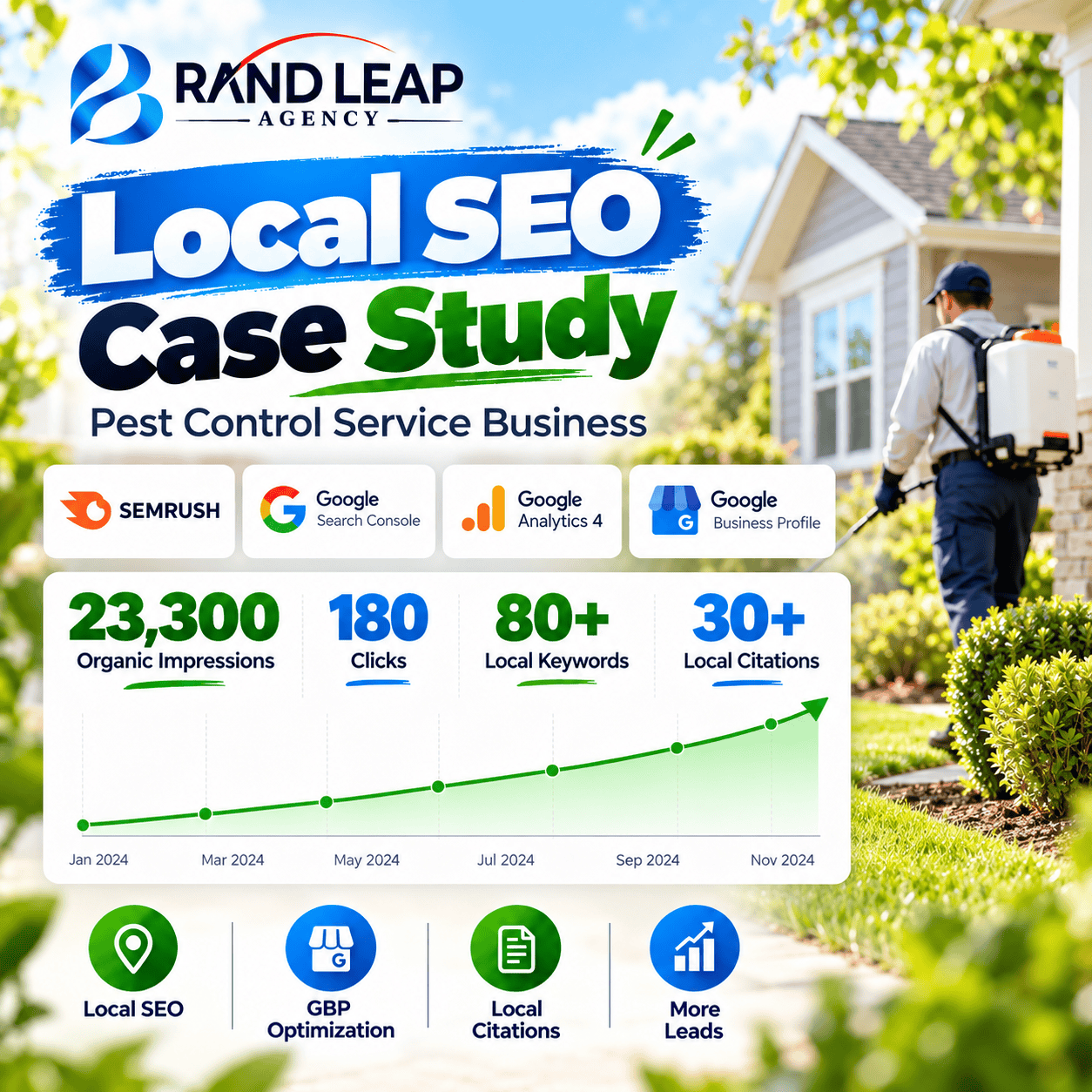
If your business serves customers in a specific geographic area, local SEO New Zealand strategies are your primary lever. That includes trades, clinics, hospitality businesses, brick-and-mortar retail, and service-area businesses like electricians or cleaners. For these businesses, a focused local strategy built around GBP optimization, citation building, and location-specific landing pages is often sufficient to generate consistent leads without broader content investment, particularly for businesses with a clearly defined service radius.
As a general rule of thumb: if almost all of your customers come from within a 30, 50 km radius, a local-focused approach covers most of your opportunity. Spending budget on national keyword targeting before you’ve dominated your local area is a common mistake. Most SEO consultants NZ-wide would tell you the same.
When You Need to Think Beyond New Zealand Borders
Exporters, SaaS companies, e-commerce businesses shipping internationally, and professional services firms attracting offshore clients all need a different targeting approach. For these businesses, geotargeting settings in Search Console, hreflang implementation, and decisions about .co.nz versus .com domains have real commercial consequences. Sending Australian or U.S. traffic to a page that Google associates with New Zealand geography can cost you rankings in those markets before you’ve even started competing.
Cross-border SEO expertise becomes critical at this stage. An agency that works exclusively in the NZ domestic market may lack the technical depth to execute a multi-country strategy correctly. That’s a gap worth identifying early in your agency conversations, and one reason some NZ businesses look beyond local SEO companies NZ when building their international growth strategy.
Search Engine Optimization Services New Zealand Businesses Should Expect
The Core Deliverables in Any Serious SEO Engagement
A credible SEO agency New Zealand businesses should consider will work across three interconnected areas: technical SEO, on-page and content optimization, and off-page link building. If an agency’s deliverables are mostly limited to rankings reports, or if they only talk about one of these pillars, that’s a sign the engagement is activity-based rather than outcome-based. All three areas need ongoing attention for rankings to move and hold.
On the technical side, common issues found on NZ business sites include slow load times from heavy images and bloated plugins, mobile usability gaps that hurt both user experience and Core Web Vitals scores, indexing errors from accidental noindex tags or robots.txt misconfigurations, and canonical confusion left over from site migrations. A legitimate agency will audit all of these and fix them before building anything else on top.
How Search Engine Optimization Services in New Zealand Are Priced
Monthly retainers are the dominant model for SEO packages New Zealand agencies offer, because SEO requires sustained work over time. A realistic breakdown by business size looks like this:
- Small local businesses: NZD $750, $2,500/month
- Mid-tier SME campaigns: NZD $1,500, $3,500/month
- Enterprise or multi-location: NZD $4,000, $15,000+/month
Project fees apply for defined-scope work like audits (NZD $500, $5,500), site migrations, or penalty recovery (NZD $5,000, $25,000+). Hourly consulting typically runs NZD $75, $300/hour and is best used for strategy sessions or training rather than ongoing execution. These ranges reflect industry pricing data, though costs vary based on scope, competition level, and agency experience. Performance-only pricing is rare and carries real risk: SEO attribution is complex, time lags make results hard to tie to specific actions, and agencies that take this model tend to focus on the easiest-to-move metrics rather than the ones that matter to your business.
How to Verify an NZ SEO Agency Before You Sign Anything
Credentials and Certifications That Actually Signal Capability
The most verifiable third-party signal an NZ agency can carry is Google Partner or Google Premier Partner status. It’s publicly checkable and tied to audited performance standards, though it’s worth noting that Partner status primarily reflects paid-media performance metrics, so it should be one data point rather than your only filter. Meta Business Partner status is worth noting if the agency also runs paid social. For independent reviews, Clutch is a widely used platform that verifies business registration and client feedback before listing providers, which gives their ratings more weight than self-published testimonials.
DesignRush can supplement your research but applies less rigorous verification. Generic “SEO certified” badges that aren’t tied to a named issuer or audited program are weak signals and shouldn’t carry much weight in your evaluation.
How to Read Case Studies Without Being Misled
A case study worth trusting pairs a specific metric with a specific result: organic sessions up 67%, transactions up 53%, impressions up 255%. Vague language like “grew traffic significantly” or “improved rankings” tells you nothing about whether the results were meaningful or durable. Several NZ agencies, including Kia Ora Digital, First Page, Sky Media, Lucid Media, FlowMedia, Bounce Marketing, and Zib Digital, publish named-client results with quantified outcomes, though the depth and rigor of those case studies varies across firms. Always verify the specifics directly.
When you review case studies, ask whether the results match your industry and business model, not just the agency’s strongest vertical. A case study from an e-commerce client tells you little about what they’d do for a local trade business, and vice versa.
Eight Questions to Ask Any SEO Agency in New Zealand
Questions That Reveal Strategy and Accountability
These four questions expose whether an agency has a real methodology or just a sales process. Ask them in the first meeting and pay attention to how specific the answers are.
- How do you decide which keywords to target for my business? A real answer involves intent mapping, competitor gap analysis, and business goal alignment, not just search volume.
- What does your technical audit process look like and what tools do you use? Credible agencies name specific tools (Screaming Frog, Ahrefs, Google Search Console) and describe what they’re looking for.
- How do you build backlinks and can you show me examples from past clients? Any hesitation here, or vague answers about “outreach,” is a red flag. Ask for specific examples.
- What does a typical monthly report include and who delivers it? Find out whether reporting is an automated dashboard or a real conversation with someone who understands your account.
Questions That Protect You on Contracts and Results
These four questions protect your investment before you commit to anything in writing.
- What KPIs will you be held accountable to in the first 90 days? If they can’t name specific, measurable targets upfront, accountability won’t improve once you’ve signed.
- Do you use any tactics that risk a Google penalty, and how would you handle one if it happened? A confident, transparent answer here is a good sign. Defensiveness is not.
- What’s your minimum contract term and what happens if I want to exit early? Most agencies require 6, 12 month minimums. Know the exit terms before you start.
- Can I speak directly with one of your current clients as a reference? Any agency confident in their work will say yes immediately.
Why Some NZ Businesses Look Beyond Their Own Backyard for SEO Expertise
The Case for Working with a Cross-Border SEO Partner
The NZ SEO market has solid local players, but the pool of agencies with deep experience in competitive international verticals is limited. Multilingual SEO, hreflang implementation at scale, multi-domain architecture, and ranking in U.S. or UK search environments all require hands-on experience in those markets. For NZ businesses with international growth ambitions, that gap in domestic agency capability is real and worth accounting for in your planning.
Working with a cross-border partner doesn’t replace a strong NZ-based agency for local execution. It adds a layer of strategy and technical expertise that most domestic-only agencies can’t provide from their existing client base.
What to Look for in an Internationally Capable SEO Firm
The right cross-border partner has a proven track record in English-speaking markets, technical capability across international SEO frameworks (hreflang, geotargeting, multi-domain architecture), and transparent reporting across markets and channels. That combination is what separates firms that can genuinely support international expansion from those with surface-level familiarity with global SEO.
The goal isn’t to hand everything to one offshore firm. It’s to make sure the strategy layer, the part that determines how your site performs in markets you’re trying to enter, is built by people who’ve actually competed and won in those markets.
What to Do Next
You now have a practical framework for evaluating search engine optimization services New Zealand providers offer. Understand how Google’s local algorithm works in the NZ context and what signals it responds to. Match your targeting scope to your actual business model, whether that’s purely local, national, or cross-border. Go into agency conversations with clear pricing expectations and an understanding of what a legitimate engagement includes. Use the eight questions above before you sign any contract, and verify credibility through Google Partner status, Clutch profiles, and metric-backed case studies relevant to your specific industry.
The NZ SEO market has strong providers. It also has agencies that are good at selling and slow at delivering. The difference is visible before you commit, if you know where to look. This guide gives you the signals and questions to make that call with confidence.
If your goals include ranking in U.S., Australian, or broader international markets alongside your NZ presence, cross-border SEO expertise matters more than most agencies will admit. Brandleap works with growth-minded businesses that need SEO strategy built for the markets they’re actually targeting, not just their home market. If that describes where you’re headed, reach out to start the conversation.