Finding the right SEO agency in Hong Kong isn’t as simple as picking the firm with the highest Google ranking or the most polished pitch deck. This market is genuinely different: it spans multiple languages, operates across distinct search behaviors, and is full of agencies that treat Traditional Chinese content as a last-minute translation job rather than a foundational strategy. If you hire the wrong firm, you won’t just get slow results. You’ll get an English-first SEO strategy awkwardly retrofitted onto a market where the majority of users search in Traditional Chinese.
Whether you’re a US company building a regional presence in Asia-Pacific or a Hong Kong brand trying to scale its digital reach, the SEO agency in Hong Kong you choose will either navigate that complexity or stumble on it. This article covers what actually separates strong Hong Kong SEO firms from weak ones: language expertise, platform strategy, how to read case studies, realistic pricing, and the questions you should ask before signing anything.
Why Hong Kong’s search market is more complex than it looks
A multilingual market with distinct user intent
Hong Kong searchers don’t operate in a single language mode. Depending on the user’s demographic, the channel they’re on, or where they are in the buyer journey, they might search in written Cantonese using Traditional Chinese characters, in Mandarin, or in English. These aren’t just stylistic differences. They signal different intent. A user searching in English may be a professional or expat researching a service; a user searching in Traditional Chinese may be a local consumer looking for an immediate solution. An SEO agency in Hong Kong doing this work properly understands these distinctions and builds keyword strategy around them, not around a single translated keyword list.
The Google-dominant reality (and why that matters for your agency pick)
Google holds approximately 92% of search engine market share in Hong Kong as of 2026 (StatCounter, Q1 2026). For most businesses targeting Hong Kong residents, a Google-first strategy is the correct call. Baidu’s relevance enters the conversation only when a business is also targeting Mainland Chinese audiences or cross-border customers. That distinction matters enormously because Baidu strategy requires an entirely different technical, content, and legal setup. An agency pitching Baidu as part of a standard Hong Kong offering without explaining ICP licensing, Mainland hosting requirements, and content compliance is either oversimplifying or lacks genuine experience with it.
The Cantonese vs. English SEO divide most agencies ignore
Why treating both languages as one SEO task is a costly mistake
Cantonese-speaking users search with colloquialisms, local slang, and intent patterns that don’t map to Mandarin or English equivalents. An SEO company in Hong Kong doing its job properly builds separate keyword sets for each language rather than translating English terms into Chinese and calling it done. Translated keywords can be technically correct while being completely wrong from a search behavior standpoint: no local user actually searches that way, so the page ranks for nothing and converts no one.
The problem goes beyond keyword selection. Content that reads like it was machine-translated erodes trust with local audiences, increases bounce rates, and signals to Google that the page isn’t genuinely relevant to its target users. Agencies that can’t demonstrate native-level Traditional Chinese content production aren’t equipped to compete in this market.
What native-level bilingual SEO looks like in practice
A properly structured bilingual site for Hong Kong uses separate URL paths for English and Traditional Chinese content, correct HTML lang attributes on each page, and properly implemented hreflang tags. The Traditional Chinese pages should carry lang="zh-Hant" and corresponding hreflang values like zh-Hant, while English pages use lang="en" or a regional variant like en-US. Every page needs to reference the other language version reciprocally so Google can correctly associate the two. When you interview any SEO consultant in Hong Kong, ask directly how they split keyword strategy and content planning across languages. If they can’t explain their approach clearly, they’re using a one-size-fits-all framework that won’t serve a genuinely bilingual audience.
When Baidu matters and when it doesn’t
Google vs. Baidu: drawing the right line for your business
For most businesses, if your target audience lives and searches in Hong Kong, Google is your platform, and that’s where your budget should go. Baidu’s sub-1% market share in Hong Kong (StatCounter, Q1 2026) means investing in Baidu optimization for a Hong Kong-only audience is a misallocation of resources. The calculus changes only when cross-border Mainland Chinese consumers are part of your growth plan. In that case, Baidu strategy becomes a separate, more complex engagement that requires understanding Mainland hosting requirements, ICP licensing, content compliance rules, and the significant differences in how Baidu crawls and indexes pages compared to Google.
What to ask any agency that claims Baidu expertise
Some Hong Kong SEO firms include Baidu as part of a broad offering, but genuine Baidu expertise is rare and demanding. If an agency brings it up, push them on specifics. Start by asking whether they have ICP filing experience. Beyond that, probe their content compliance knowledge and request a client reference for a live Baidu campaign. A business targeting Mainland China without an ICP-licensed, Mainland-hosted setup will face slower load times and restricted access for Chinese users, which undermines the entire effort. Most Hong Kong digital marketing agencies focus on Google, and that’s the right call for most clients. Those claiming Baidu capability should back it up with specifics, not a line buried in a service list.
How to evaluate an SEO agency in Hong Kong before you commit
Reading case studies the right way
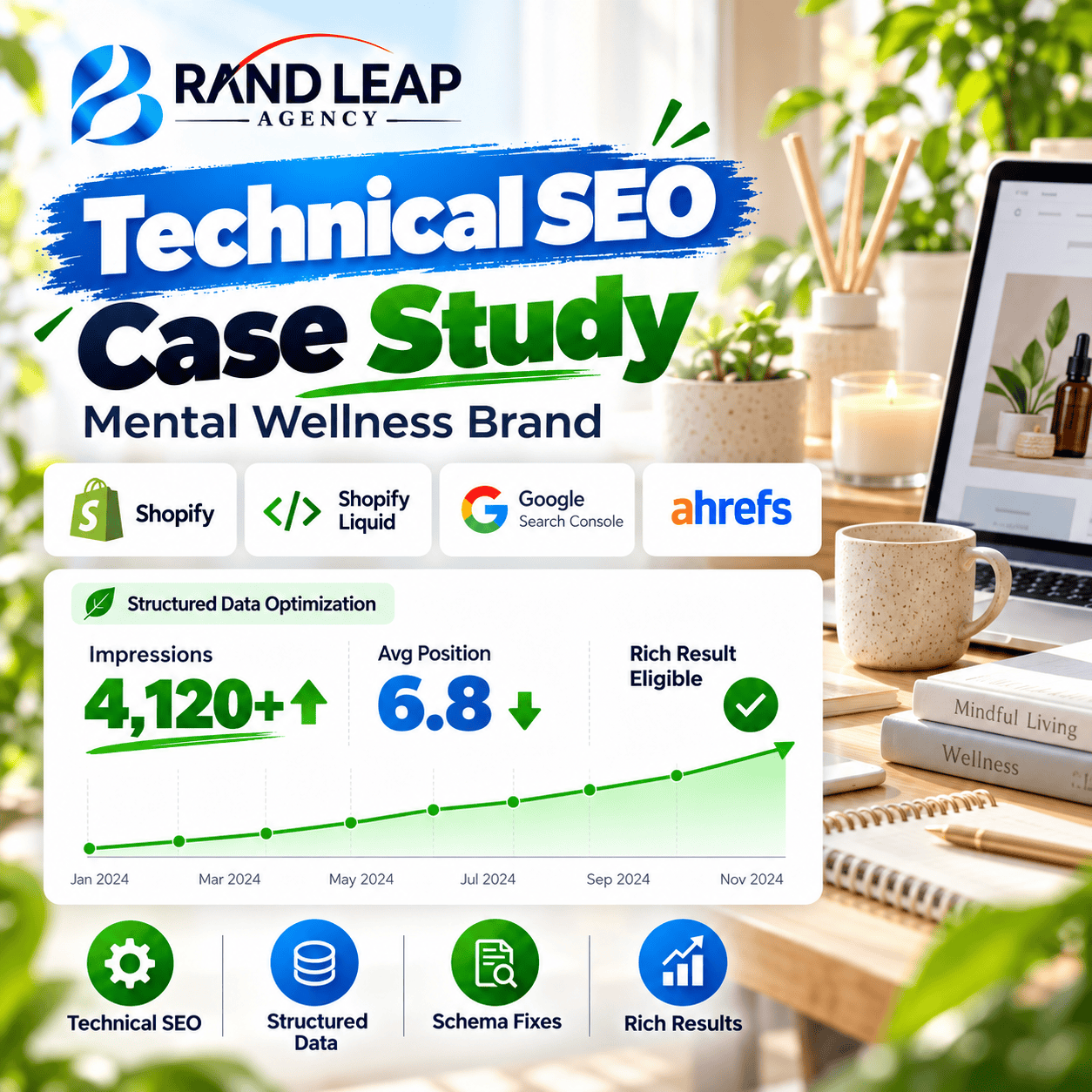
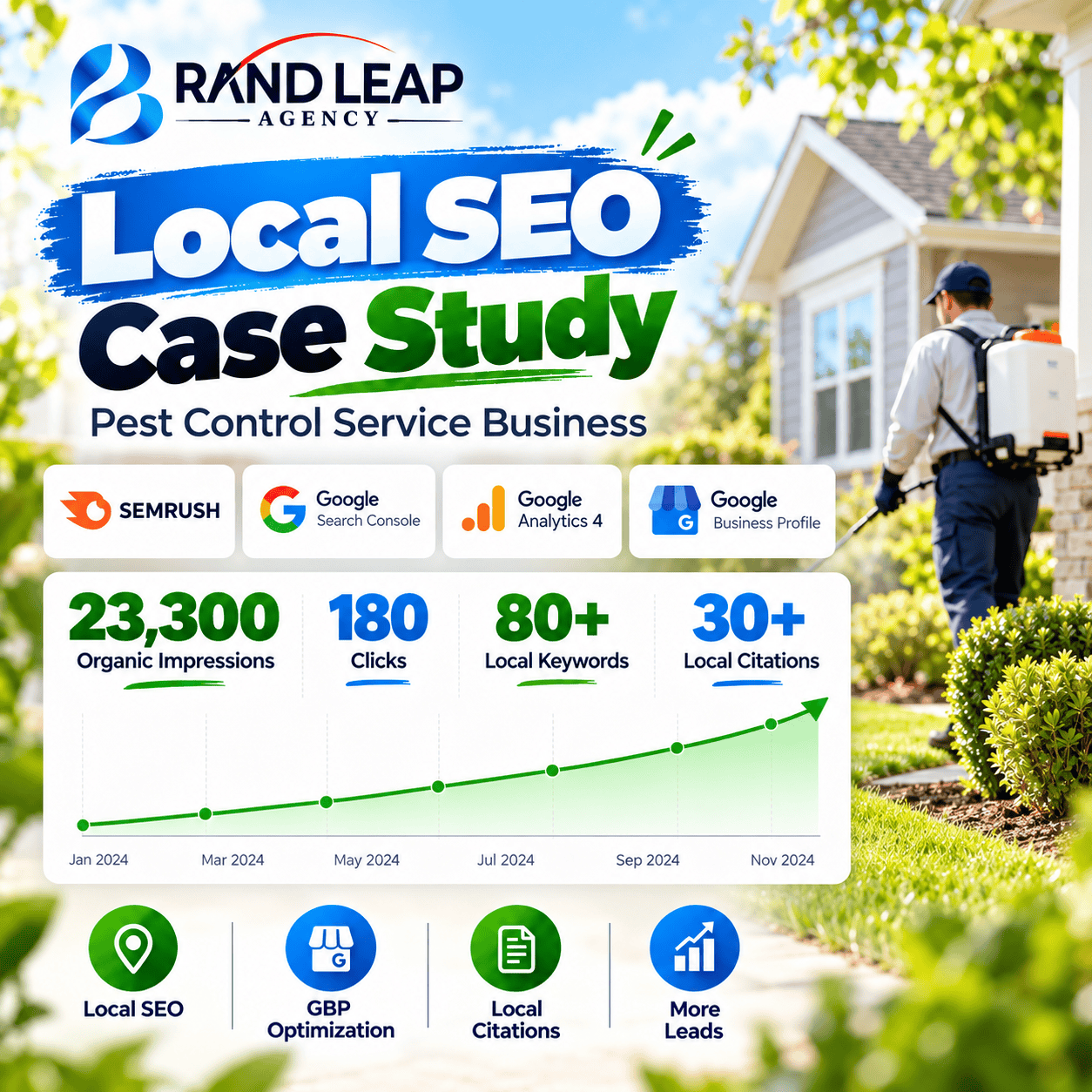
A strong case study from any Hong Kong SEO firm includes a clearly described client, a defined problem, specific outcome metrics, and a timeline. When evaluating agencies, look for documented results tied to your sector, an 848% organic traffic increase for a finance client over 12 months, or 246% organic traffic growth for a hospitality client over 18 months, are the kinds of figures you can actually assess. Ask any agency you’re considering for industry-matched case studies, not just general results. If a firm can’t produce a case study relevant to your sector with real metrics attached, there’s no basis for projecting what they’ll deliver for you.
Using Clutch, Google reviews, and other platforms strategically
Clutch is currently the most reliable third-party review source for Hong Kong SEO agencies. When reading reviews, look for consistent patterns: mention of actual keyword movement, honest handling of setbacks, and specific communication practices. A profile full of five-star reviews that say nothing more than “great team, highly recommend” is a yellow flag. Strong reviews name what changed, whether that’s traffic volume, lead quality, or ranking positions for specific terms. Ratings in the high-4 to 5.0 range mean more when the underlying reviews include operational detail.
Local citation and map-pack experience for local SEO in Hong Kong
For Hong Kong SMBs, local citations and directory visibility are significant traffic drivers that many agencies underestimate. A credible local SEO strategy covers Google Business Profile, Apple Business Connect, Bing Places, and Hong Kong-specific directories including hktdc.com, chamber.org.hk, hk.kompass.com, and yelo.hk. Consistency of NAP data (name, address, phone) across all listings matters as much as the number of directories covered. Before you sign with any agency, ask specifically what their local citation process looks like and whether they have experience with Hong Kong-specific directories. Agencies without a clear answer on this are treating local SEO as an afterthought.
SEO agency in Hong Kong pricing and timelines (2026)
Monthly retainer ranges by business size
SEO services in Hong Kong follow a tiered pricing structure based on campaign complexity. Small or local campaigns typically start in the HK$3,900 to HK$15,600 per month range. Mid-market work runs HK$19,500 to HK$58,500 per month. Competitive or enterprise engagements can exceed HK$62,400 per month. For project-based work, technical audits generally run HK$15,600 to HK$117,000 depending on site size and scope. Agencies pricing significantly below the market floor on bilingual campaigns are almost certainly cutting corners on native Traditional Chinese keyword research or comprehensive technical work. The numbers need to reflect the actual scope. For further context on market pricing and typical packages, see this SEO pricing guide.
When to expect actual results
SEO timelines in Hong Kong follow a predictable arc. Technical fixes and local SEO setup can produce early visibility improvements in impressions and click-through rates within one to three months. Measurable ranking and traffic movement on target keywords typically surfaces between three and six months. Stable, competitive results at scale usually require six to twelve months or more, depending on the industry and keyword difficulty. Any agency guaranteeing top rankings within 30 days is either misrepresenting how Google works or planning to use tactics that create short-term gains and long-term penalties. Neither outcome serves your business. For a practical breakdown of typical SEO timelines, read Shopify’s guide on how long SEO takes.
When a Hong Kong SEO agency isn’t the whole answer
Cross-market SEO and Asia-Pacific expansion
Some businesses searching for a digital marketing agency in Hong Kong aren’t purely focused on local rankings. US companies building a regional presence in Asia-Pacific, or established brands expanding from a domestic base into international markets, need more than a locally focused SEO firm. They need an agency that can align their Hong Kong strategy with broader international growth goals, connect domain authority built in the US to their APAC presence, and think across markets rather than optimizing each geography in isolation. A purely local agency may execute on-the-ground Hong Kong SEO competently while lacking the perspective to fit that work into a coherent global strategy. If your expansion touches nearby markets, consider an SEO agency in Singapore as part of your regional planning.
Why a globally minded partner changes the equation
This is where an agency’s strategic scope matters as much as its technical execution. At Brandleap Agency, our approach to cross-market SEO and integrated digital strategy spans the US and international markets, which means clients don’t have to stitch together domestic authority and international expansion through two different firms. When your goals extend beyond a single city or country, a partner with a global mindset and integrated campaign capability becomes considerably more valuable than a locally focused firm with a narrow scope. The right partner shows you how your Hong Kong presence supports your broader growth trajectory rather than treating it as a standalone project.
The decision framework before you sign
Hong Kong SEO is uniquely demanding. The combination of multilingual search behavior, dual platform considerations, and the technical requirements of properly structured bilingual sites creates complexity that separates agencies capable of doing this work from those that aren’t. A strong agency demonstrates native-level Traditional Chinese expertise, produces industry-matched case studies with real metrics, sets honest timelines grounded in how Google actually works, and prices its work in line with the genuine scope of the campaign.
Before committing to any firm, push them on their bilingual keyword strategy, their Baidu vs. Google positioning rationale, and their local citation experience. Ask for case studies from your industry and use review platforms like Clutch to verify patterns rather than just overall scores. If your goals extend into cross-market SEO or Asia-Pacific expansion, evaluate whether a globally integrated partner makes more sense than a locally focused firm. Choosing the right SEO agency in Hong Kong, one that demonstrates native Traditional Chinese expertise, honest timelines, and industry-matched results, is the decision that determines whether your digital investment actually compounds.