
Finding the right SEO services in Hong Kong is harder than it should be. Many agencies make their offerings feel more complicated than they need to be, and buyers report that this opacity typically benefits the agency, not the client. When you don’t know exactly what you’re purchasing, you can’t evaluate whether it’s working. Without defined deliverables, measurable KPIs, and clear reporting obligations in your contract, there’s no baseline for accountability. This complete guide to SEO services in Hong Kong removes that ambiguity entirely.
What follows breaks down the real components of an SEO engagement in Hong Kong, what each one does, what the market charges for it in 2026, and how long you should realistically wait before expecting results. The Hong Kong market carries its own complexity: it’s bilingual, mobile-heavy, Google-dominant, and positioned at the intersection of international commerce and Mainland China reach. Each of those factors shapes what good SEO work looks like here, and what shortcuts to avoid.
What SEO services in Hong Kong actually include
Most agencies bundle their work under a broad “SEO package” label, but every deliverable inside that package does a specific job. Understanding the scope before you sign anything puts you in a much stronger negotiating position.
Technical SEO audit: the starting point
A legitimate SEO audit in Hong Kong examines crawlability, indexation, page speed (especially on mobile), broken links, schema markup, site architecture, and Core Web Vitals. This step comes first because you can’t optimize a site that search engines can’t properly read. A quality audit should produce a prioritized fix list with clear explanations, not a raw crawl export that dumps 400 errors on your desk without context. If an agency skips the audit or treats it as optional, that’s a meaningful red flag.
On-page optimization, content strategy, and link building
On-page work covers title tags, meta descriptions, heading hierarchy, internal linking, and content depth across your target pages. In Hong Kong, this work also has to account for bilingual page structures, with English and Traditional Chinese versions requiring separate keyword mapping. That’s a layer of complexity most Western markets simply don’t face.
Off-page, the standard deliverable is outreach-based link acquisition, niche edits, and citation building. Monthly reporting should tie all of this together: rankings, organic traffic, conversions, completed tasks, and what’s planned for the following month. Reporting cadence is a direct reflection of agency accountability.
The bilingual search challenge unique to Hong Kong
Hong Kong’s SEO market operates in a way that agencies in most other cities don’t fully prepare for. Users routinely search in English, Traditional Chinese, and Cantonese-influenced phrasing, sometimes within the same query. Keyword research that ignores this dynamic produces campaigns that miss large portions of the market before a single page goes live.
English vs. Traditional Chinese keyword behavior
Simplified Chinese dominates Mainland China search behavior. Traditional Chinese is the standard in Hong Kong and Taiwan. A Hong Kong SEO company that applies Mainland Chinese keyword data to an HK campaign is effectively targeting the wrong audience. Cantonese phrasing adds another layer: colloquial expressions, code-switching between English and Chinese, and spoken-style queries that may not be well-covered by many standard keyword tools, local data collection is recommended to surface them accurately. These patterns require actual on-the-ground research, not a direct translation of a Mandarin keyword list.
Why keyword mapping has to be multilingual from day one
The practical implication is that every target page needs keyword mapping that accounts for both language versions from the start. Based on observed market behavior, certain query types tend to convert better in English, particularly in finance, legal services, and B2B contexts, while others perform more strongly in Traditional Chinese, especially for retail, food, and local service searches. A credible SEO consultant working the HK market segments keyword intent by language rather than simply translating one list into the other. Campaigns that skip this step tend to rank well in one segment and remain invisible in the other.
Google vs. Baidu: choosing the right search strategy for your business
Google holds dominant search market share in Hong Kong, making it the clear primary target for most local campaigns. For businesses with cross-border ambitions that include reaching Mainland Chinese consumers, ignoring Baidu represents a strategic gap that compounds over time.
Why Google is still the default in Hong Kong
Yahoo and Bing play a limited role in Hong Kong’s search landscape. An HK-focused strategy is therefore built almost entirely around Google’s ranking signals: Core Web Vitals, structured data, link authority, and the experience, expertise, authoritativeness, and trustworthiness standards (E-E-A-T) outlined in Google’s own search quality guidance. Any Hong Kong search engine optimization provider worth working with leads with Google and treats it as the foundation of the campaign, not one channel among many.
When Baidu becomes part of the conversation
Baidu SEO requires a fundamentally different technical and content approach: Simplified Chinese content, .cn domain or subdomain considerations, ICP licensing, and distinct link signals that don’t carry over from Google-focused strategies. For an e-commerce brand or B2B firm targeting both Hong Kong and Mainland China, this is a two-track strategy, not a simple toggle. Set expectations clearly: few agencies handle both well, and those that do charge accordingly. The wrong move is hiring an HK-focused agency and assuming Baidu coverage comes automatically.
How local SEO in Hong Kong works differently
Ranking for broad Hong Kong keywords is a separate challenge from capturing local intent, someone searching for a specific service in Wan Chai or Mong Kok needs a different solution than a user running a generic category search. Local SEO campaigns in HK require tactics that go well beyond standard on-page optimization and link building.
Google Business Profile and district-level targeting
Google Business Profile optimization for Hong Kong means accurate NAP data, correct category selection, service areas mapped to specific districts, strong photo quality, and review management in both English and Traditional Chinese. Citation consistency across local directories, including OpenRice, HKmaps, and Yellow Pages HK, matters directly for local ranking signals. A citation audit should be standard in any local SEO package, not an optional add-on. Gaps or inconsistencies in your business information across these directories create conflicting signals that suppress local rankings.
Mobile-first intent and what it changes about your pages
Hong Kong users skew strongly toward mobile for local queries, and those searches carry high near-term purchase intent. This changes how landing pages need to be built: faster load times, click-to-call buttons, localized content above the fold, and structured data for local business are all required to compete. Ignoring mobile experience in a local HK campaign costs rankings and conversions simultaneously, and it’s one of the most common execution gaps agencies leave unaddressed.
SEO services in Hong Kong: pricing and timelines for 2026
Pricing for SEO packages offered by Hong Kong agencies varies significantly. Without a market baseline, buyers either underpay for low-effort work or pay premium rates for deliverables they don’t actually need. (See SEO pricing benchmarks for 2026.)
Monthly retainer ranges and what drives cost up
For small-to-mid-sized businesses, monthly retainers in Hong Kong typically run between HK$12,000 and HK$39,000, roughly US$1,500 to US$5,000. More competitive campaigns, including regional multilingual work, ecommerce SEO projects with large product catalogs, or enterprise-level link building, commonly reach HK$39,000 to HK$117,000 or more per month. The primary cost drivers are content volume, technical complexity, the number of languages in scope, and how competitive the target keyword set is. Entry-level packages start as low as HK$3,900 per month, but these typically cover a narrow scope and suit only businesses with minimal competition and modest growth goals. For additional market context, review broader pricing surveys like ARC4’s SEO pricing guide.
Project-based work and realistic timelines
One-off audits, site migrations, and penalty recovery engagements offer a lower-commitment entry point before committing to a retainer. Timeline expectations follow a fairly consistent pattern across well-run engagements:
- Month 1: SEO audit in Hong Kong context, technical assessment, and strategy development.
- Months 2, 4: Technical fixes rolled out, content production underway, and early-stage link building initiated.
- Months 3, 6: Noticeable ranking and traffic movement becomes visible, assuming consistent execution.
- Months 6, 12: Realistic window for first-page competitive rankings in most industries.
Any agency promising dramatic results within 30 days is skipping the foundational work that makes those results stick and survive algorithm updates.
Choosing SEO services in Hong Kong: how to evaluate an agency before you commit
Deciding between a local Hong Kong SEO consultant and a global agency with HK market expertise depends on your business scope, not just your budget. The evaluation framework below applies either way.
Trust signals that actually mean something
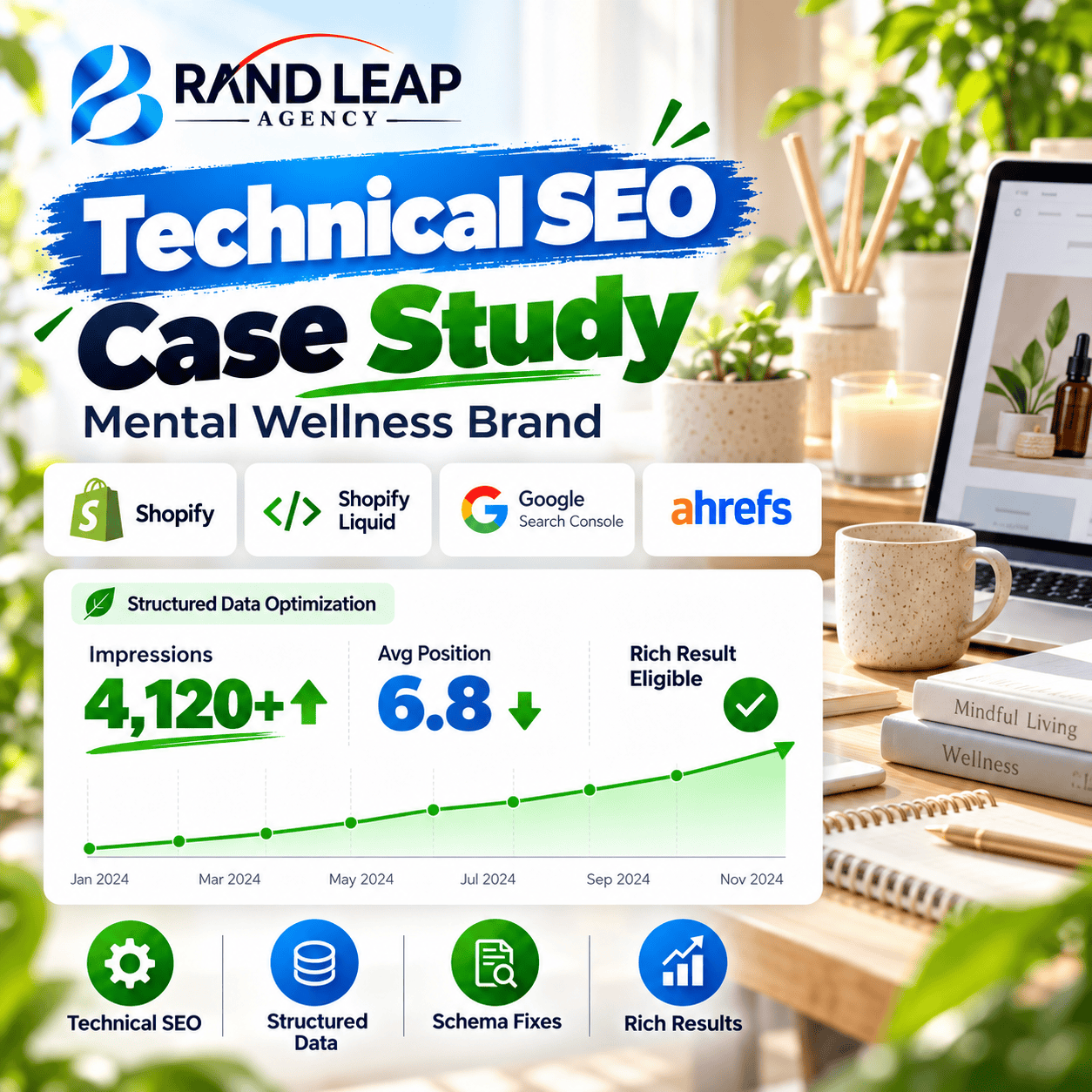
Clutch review volume and sentiment are among the most reliable third-party indicators of client satisfaction for agencies operating in HK. Look at review recency, the specificity of outcomes mentioned, and how agencies respond to mixed feedback. Semrush Agency Partner ratings and Google Partner status function as supporting credibility signals, not standalone qualifiers. Ask any prospective agency for case studies showing specific ranking and traffic outcomes, not just branded vanity metrics like “increased impressions.” Agencies with verified third-party results separate themselves quickly from those relying on self-reported claims. The strongest profiles in the HK market tend to feature publicly listed case studies documenting organic traffic increases, with clear descriptions of the actual work that drove those results.
Red flags and when a globally integrated agency fits better
Watch for these warning signs in any proposal: no case studies, vague deliverable descriptions, guaranteed number-one rankings, no mention of technical SEO, and reports that track keyword position only without connecting it to traffic or conversion data. These patterns indicate either inexperience or a deliberate effort to avoid accountability.
There’s also a scenario many buyers overlook. If your business operates across multiple markets, or you’re a US-based brand expanding into Asia, a locally focused Hong Kong SEO company may not serve your full strategic picture. Full-service global agencies with integrated SEO capabilities across markets, including Hong Kong, eliminate the need to manage separate vendors for each region, reconcile conflicting strategies, or lose continuity as your footprint grows. Brandleap Agency operates in this space, offering cross-market digital marketing and SEO that connects HK campaigns to broader regional strategy. (See our SEO Services in Singapore: What Businesses Need in 2026 for regional examples.) Scope fit matters as much as price when evaluating your options.
Make a smarter decision
SEO services in Hong Kong: 7 Questions Before You Sign involve more than chasing rankings. A complete engagement requires bilingual keyword strategy, platform-specific thinking for Google and potentially Baidu, local citation management, technically sound infrastructure, and honest timelines that reflect how search actually works. Pricing follows scope, and trust follows verified results from real clients.
Going into this process with a clear understanding of what a proper engagement includes means you’ll ask sharper questions, recognize weak proposals on the spot, and identify partners who can actually deliver. The agencies that perform best in Hong Kong treat bilingual complexity as core work, building it into strategy, execution, and reporting from day one. The ones that underperform treat it as a checkbox item to mention in a pitch and quietly skip in delivery.
Whether you need a local HK specialist or a globally integrated team that covers Hong Kong as part of a broader strategy, the evaluation framework in this guide applies either way. Use it, and you’ll spend less time recovering from costly mis-hires and more time compounding on results that actually move your business forward.