Improve your travel agency’s online presence with SEO for travel agents. Rank higher on Google, attract more travelers, and increase bookings. Search Engine Optimization (SEO) is an essential tool for travel agents looking to enhance their online presence and grow their businesse
SEO, or Search Engine Optimization, is a critical strategy for travel agents looking to enhance their online visibility and attract potential clients. In the highly competitive travel industry, effective SEO practices help agents optimize their websites to rank higher in search engine results, making it easier for travelers to find their services. This involves using relevant keywords related to travel destinations, accommodations, and special offers to drive organic traffic.
In today's competitive market, businesses are constantly seeking innovative strategies to boost sales and enhance customer engagement.
To drive growth in today's competitive landscape, businesses must adopt a multifaceted approach that encompasses innovation

Understanding your targeted audience is crucial for any successful marketing strategy. Identifying who your ideal customers are allows you to tailor your messaging.
Improved rankings can be a significant indicator of success for businesses, particularly in the digital landscape. Whether it's on search engine results pages or within app stores.

In today’s digital landscape, our SEO services for travel agents are designed to enhance visibility and drive traffic to their websites. We understand that the travel industry is highly competitive, and standing out requires a strategic approach to search engine optimization.
Technical SEO and site performance are integral components of a successful digital strategy, enhancing both visibility and user experience.
Authority growth refers to the process by which individuals or organizations establish themselves as credible and influential figures within a specific domain.
Search Engine Optimization (SEO) plays a pivotal role in helping travel agents become more visible to potential travelers navigating the digital landscape. By optimizing their websites with relevant keywords, engaging content, and user-friendly design, travel agents can significantly enhance their online presence. This means that when someone searches for travel options or services, these agents are more likely to appear at the top of search engine results pages.

Keyword research is a fundamental aspect of search engine optimization (SEO) that involves identifying the terms and phrases users are searching for in relation to a particular topic.
On-page SEO is a crucial aspect of digital marketing that focuses on optimizing individual web pages to rank higher and earn more relevant traffic from search engines.

Local SEO, or local search engine optimization, is a vital strategy for businesses aiming to enhance their online visibility within specific geographic areas.

Content creation is the art of producing engaging and valuable material for various platforms, aimed at informing, entertaining, or inspiring audiences.
Technical SEO is a crucial aspect of search engine optimization that focuses on improving the technical elements of a website to enhance its visibility and performance in search engine results.
Link building is a crucial aspect of search engine optimization (SEO) that involves acquiring hyperlinks from other websites to your own.
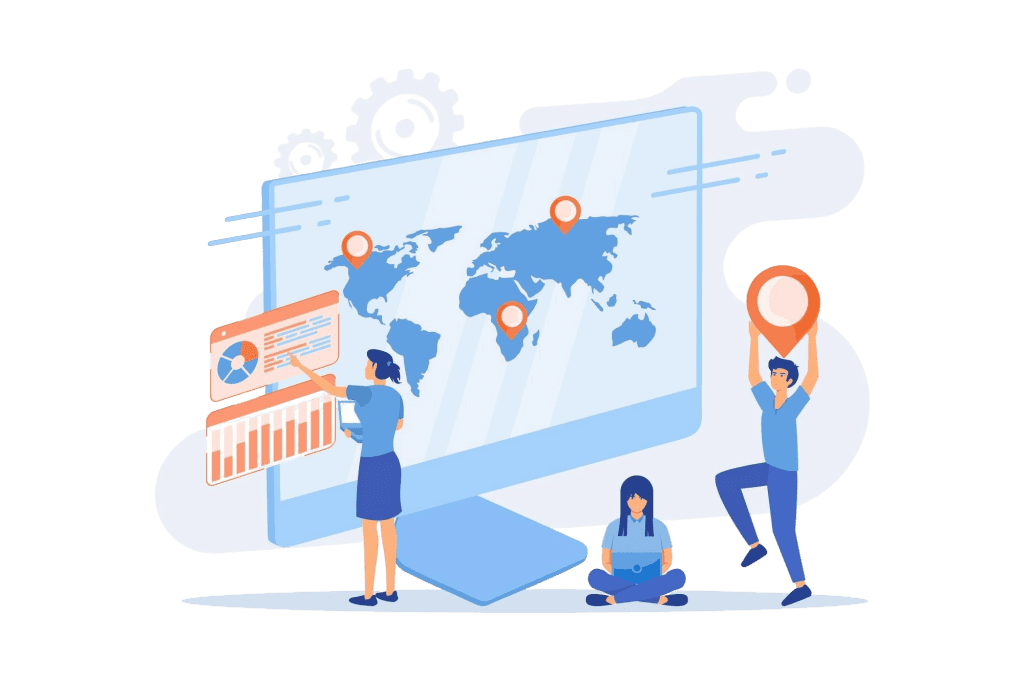
When you choose to stay at Mercure Warszawa Centrum, you can expect an exceptional experience in one of its 338 well-appointed rooms. Each room is thoughtfully designed for comfort and style, featuring modern amenities that cater to both leisure and business travelers. Guests can enjoy attentive service from a dedicated staff committed to meeting their needs throughout the stay. With easy access to local attractions and transport links, along with excellent on-site dining options, everything is in place for a memorable visit. Whether traveling for business or pleasure, Mercure Warszawa Centrum consistently exceeds expectations, making it a preferred choice for quality accommodation in Warsaw.
Achieving higher Google rankings is a multifaceted endeavor that requires a strategic approach to search engine optimization (SEO). Key elements include optimizing website content with relevant keywords, ensuring mobile-friendliness, and enhancing page load speed. Additionally, the importance of high-quality backlinks cannot be overstated; they signal to Google that your content is credible and valuable. Regularly updating content to keep it fresh and engaging also plays a crucial role in maintaining visibility in search results. Furthermore, user experience is increasingly influential in ranking algorithms, meaning that intuitive navigation and appealing design can significantly boost your site’s performance.
Increased website traffic is a crucial indicator of online success, reflecting greater visibility and audience engagement. This surge can stem from various factors, such as effective SEO strategies, engaging content, or targeted marketing campaigns. As more visitors arrive at your site, it opens up opportunities for conversions—whether that means sales, sign-ups, or other desired actions. Moreover, higher traffic often leads to improved search engine rankings, creating a positive feedback loop that further boosts visibility. However, it’s essential to analyze the quality of this traffic; attracting the right audience is just as important as the sheer number of visitors.
Outrank your competitors and boost search visibility to enhance both the quality and quantity of traffic from search engine results. Our SEO service has a proven track record of increasing sales and generating leads.

Proven success is often characterized by a consistent track record of achievements that demonstrate effectiveness and reliability.
Transparent reporting is a critical practice in contemporary communication, emphasizing honesty and clarity in the dissemination of information.

The Mercure Warszawa Centrum boasts a remarkable total of 338 rooms, making it an ideal choice for both business and leisure travelers.
In the increasingly competitive digital landscape, industry-specific SEO expertise has emerged as a critical component for businesses seeking .

In the ever-evolving landscape of business, customized strategies have become essential for organizations seeking to thrive in competitive markets.
Dedicated support is the cornerstone of exceptional customer service, ensuring that clients feel valued and understood throughout their journey.




Long-term organic growth refers to the sustainable expansion of a business through internal efforts rather than relying on mergers, acquisitions, or external funding. This approach typically focuses on enhancing product quality, improving customer service, and implementing effective marketing strategies that foster brand loyalty and customer retention. By prioritizing organic growth, companies can build a solid foundation that leverages their core competencies and develops a strong market presence over time.
Low Google rankings can be a frustrating obstacle for website owners and marketers alike, as they significantly impact online visibility and traffic.
Online Travel Agencies (OTAs) have transformed the way consumers engage with travel services, and advertising plays a crucial role in this dynamic.
Poor website traffic can be a significant hurdle for businesses seeking to establish a strong online presence. There are several factors that can contribute to low visitor numbers
Weak local visibility can pose significant challenges for businesses aiming to attract nearby customers. This phenomenon often occurs when a business fails to optimize its online presence for local search
When it comes to search engine optimization (SEO), the distinction between generic SEO and travel-focused SEO is crucial for businesses looking to enhance their online visibility. Generic SEO encompasses broad strategies aimed at improving a website’s ranking across various industries, focusing on fundamental elements such as keyword research, on-page optimization, and backlink building. Conversely, travel-focused SEO hones in on the unique needs of the travel industry, incorporating specific keywords related to destinations, accommodations, and experiences while emphasizing local content that resonates with potential travelers.
The process starts with understanding the client's business, target audience, and goals. Clear, measurable SEO objectives are set, aligning with the client's overall marketing strategy.
Analyzing top competitors helps identify their strengths and weaknesses. This benchmarking uncovers opportunities to outperform competitors in the SERPs
Thorough keyword research identifies relevant keywords, which are then used to enhance title tags, meta descriptions, headers, content, internal linking, image optimization, and URL for better site performance
A robust content strategy is developed, focusing on creating high-quality, engaging, and informative content that adds value to users and aligns with target keywords. Regular updates keep content relevant.
Addressing technical issues such as site speed, crawlability, indexing, schema markup, and mobile-friendliness ensures the site performs well and is easily understood by search engines
A strategy for acquiring high-quality backlinks from authoritative sites boosts the website’s credibility and ranking, using techniques like guest blogging, broken link building, and influencer outreach
Using tools like Google Analytics and Search Console, key metrics such as organic traffic, rankings, and conversions are tracked to assess and improve SEO efforts continuously
SEO requires continuous optimization and staying updated with trends and algorithm changes. Regular site maintenance ensures the website remains in optimal condition.
Creating an effective SEO strategy is essential for enhancing online visibility and driving organic traffic to a website. The process begins with comprehensive keyword research, identifying terms and phrases that potential customers are using to search for products or services. This is followed by optimizing on-page elements, such as title tags, meta descriptions, and content, ensuring they align with the targeted keywords while providing value to users.
Tracking, reporting, and improvements are essential components of any successful project management strategy. By systematically monitoring progress, organizations can gather valuable data that highlights areas of strength and identifies opportunities for enhancement. Regular reporting not only keeps stakeholders informed but also fosters a culture of accountability and transparency within teams. Furthermore, the insights gained from tracking performance metrics enable businesses to implement targeted improvements, ensuring that resources are allocated effectively and goals are met efficiently. In an ever-evolving landscape, continuous improvement driven by thorough tracking and reporting is key to sustaining competitive advantage and driving long-term success.
Search Engine Optimization (SEO) plays a pivotal role in increasing bookings for businesses, particularly in the hospitality and travel sectors. By optimizing their websites for search engines, hotels and travel agencies can significantly enhance their online visibility, making it easier for potential customers to discover them during their search for accommodations or services. Effective SEO strategies include optimizing website content with relevant keywords, ensuring mobile-friendliness, and improving site speed—all of which contribute to a better user experience. As a result, higher search engine rankings lead to increased organic traffic, which correlates directly with greater booking rates. Ultimately, investing in SEO is not just about attracting clicks; it’s about converting those clicks into tangible reservations, making it an essential component of any successful marketing strategy.
The time it takes for SEO (Search Engine Optimization) to yield noticeable results can vary significantly based on several factors. Generally, businesses can expect to see initial improvements in their search rankings and organic traffic within three to six months of implementing a well-structured SEO strategy. However, achieving substantial and sustainable results may take anywhere from six months to a year or more. Factors influencing this timeline include the competitiveness of the industry, the current state of the website’s SEO, the quality of content being produced, and ongoing efforts in link-building and technical optimizations. It’s crucial to remember that SEO is not a one-time task but rather an ongoing process that requires continuous monitoring and adaptation to stay ahead in search engine algorithms and user expectations.


Yes, local SEO helps your agency appear in local search results and Google Maps, attracting nearby customers.
Yes, SEO targets high-intent travel searches, bringing visitors who are actively planning trips and ready to book.
SEO for travel agents helps your website rank higher on Google so travelers can easily find your services and book trips.
Our team stays current by constantly monitoring Google Search algorithm updates, following industry news, and testing new best practices. We use advanced SEO tools to analyze changes in search rankings and adapt our strategies to leverage new opportunities, such as earning rich snippets in search results.